Common Italian Greyhound Health Issues to Watch For
By PetEssentialist Team · Updated July 2026 · How we review
We independently research and pick every product. When you buy through our links we may earn a commission, at no extra cost to you. How this works.
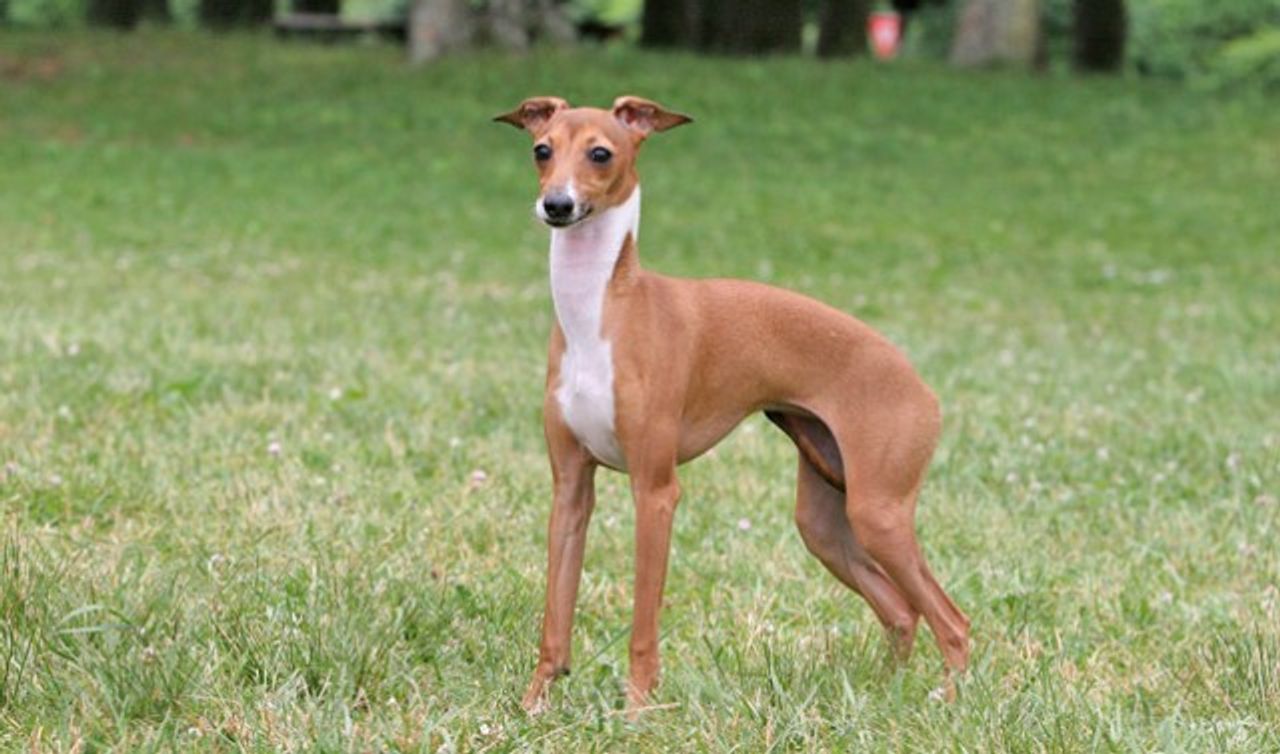
Italian Greyhounds are prone to devastating leg fractures due to their delicate miniature sighthound build and moderate energy level. This vulnerability demands careful attention from owners to prevent accidents and ensure prompt veterinary care when needed. Their short smooth coat and low shedding rate make grooming easy, but their sensitive temperament requires gentle handling and regular monitoring for signs of distress or pain. As an Italian Greyhound owner, it's essential to be aware of the breed's specific health risks, including patellar luxation, dental disease, and Progressive Retinal Atrophy (PRA). Regular check-ups with a veterinarian and a warm, safe living environment can help mitigate these risks. Italian Greyhounds thrive on affection and attention, but their small size and sensitivity require careful management to prevent injuries and health complications. By understanding the unique needs and vulnerabilities of the Italian Greyhound breed, owners can take proactive steps to promote their dog's health, happiness, and well-being. This guide provides an overview of common health issues to watch for and everyday prevention strategies to help Italian Greyhound owners provide the best possible care for their pets.
What to look for
Preventing Leg Fractures
Italian Greyhounds are highly susceptible to leg fractures due to their fragile bones and high energy level. To prevent accidents, owners should ensure their dog's living space is safe and free from hazards, such as slippery floors or sharp objects. Providing a comfortable, warm place to rest and avoiding excessive exercise, especially on hard surfaces, can also help reduce the risk of fractures. Regular monitoring of their dog's activity level and adjusting it according to age and health status is crucial.
Dental Care
Dental disease is a common issue in Italian Greyhounds, and regular dental care is vital to prevent tartar buildup, gum disease, and tooth loss. Owners should brush their dog's teeth daily, provide dental chews or toys, and schedule regular dental check-ups with a veterinarian. A balanced diet and fresh water are also essential for maintaining good oral health.
Monitoring for PRA
Progressive Retinal Atrophy (PRA) is a genetic eye disorder that can lead to blindness in Italian Greyhounds. Owners should schedule regular eye exams with a veterinarian to monitor for signs of PRA, such as vision loss or changes in eye appearance. Early detection and genetic testing can help identify carriers and prevent the spread of the disease.
Maintaining a Safe Environment
Italian Greyhounds are sensitive to cold temperatures and require a warm, comfortable living environment. Owners should provide a cozy, draft-free space for their dog to rest and ensure their home is free from hazards, such as toxic substances or electrical cords. Regular checks for potential risks and adjusting the environment accordingly can help prevent accidents and ensure their dog's safety.
Regular Veterinary Check-ups
Regular veterinary check-ups are essential for monitoring an Italian Greyhound's health and detecting potential issues early. Owners should schedule check-ups at least twice a year, or more frequently if their dog has a pre-existing condition or is prone to certain health issues. A veterinarian can provide personalized advice and guidance on maintaining their dog's health and well-being.
Frequently asked questions
How often should I take my Italian Greyhound to the vet?
Italian Greyhounds should have regular veterinary check-ups at least twice a year, or more frequently if they have a pre-existing condition or are prone to certain health issues. Regular check-ups can help detect potential problems early and prevent more severe health complications.
What are the signs of patellar luxation in Italian Greyhounds?
Signs of patellar luxation in Italian Greyhounds may include sudden lameness, pain, or limping, as well as a clicking or popping sound when the knee joint is manipulated. If you suspect your dog has patellar luxation, consult a veterinarian immediately for proper diagnosis and treatment.
Can Italian Greyhounds see well in low light?
Italian Greyhounds with Progressive Retinal Atrophy (PRA) may experience vision loss or difficulty seeing in low light. If you notice your dog having trouble navigating in dimly lit areas, consult a veterinarian for an eye exam and potential genetic testing.
How can I prevent my Italian Greyhound from getting cold?
Italian Greyhounds are sensitive to cold temperatures, so provide a warm, comfortable living environment. Keep your home draft-free, and consider providing a coat or sweater for your dog to wear in chilly weather. You can also increase their calorie intake during colder months to help keep them warm.
What are the risks of not providing regular dental care for my Italian Greyhound?
Neglecting regular dental care can lead to tartar buildup, gum disease, and tooth loss in Italian Greyhounds. This can cause pain, discomfort, and potentially life-threatening health complications, such as kidney or heart disease. Regular dental care, including brushing and veterinary check-ups, is essential for maintaining your dog's overall health and well-being.
Italian Greyhound owners must prioritize their dog's unique health needs, including preventing leg fractures, maintaining good dental care, and monitoring for PRA. By providing a safe, warm environment and scheduling regular veterinary check-ups, owners can help ensure their dog lives a long, happy, and healthy life. For personalized advice and guidance, consult a veterinarian who is familiar with the Italian Greyhound breed and its specific health requirements.
More for your Italian Greyhound
Other breed-matched picks worth a look.