Common Japanese Bobtail Health Issues to Watch For
By PetEssentialist Team · Updated July 2026 · How we review
We independently research and pick every product. When you buy through our links we may earn a commission, at no extra cost to you. How this works.
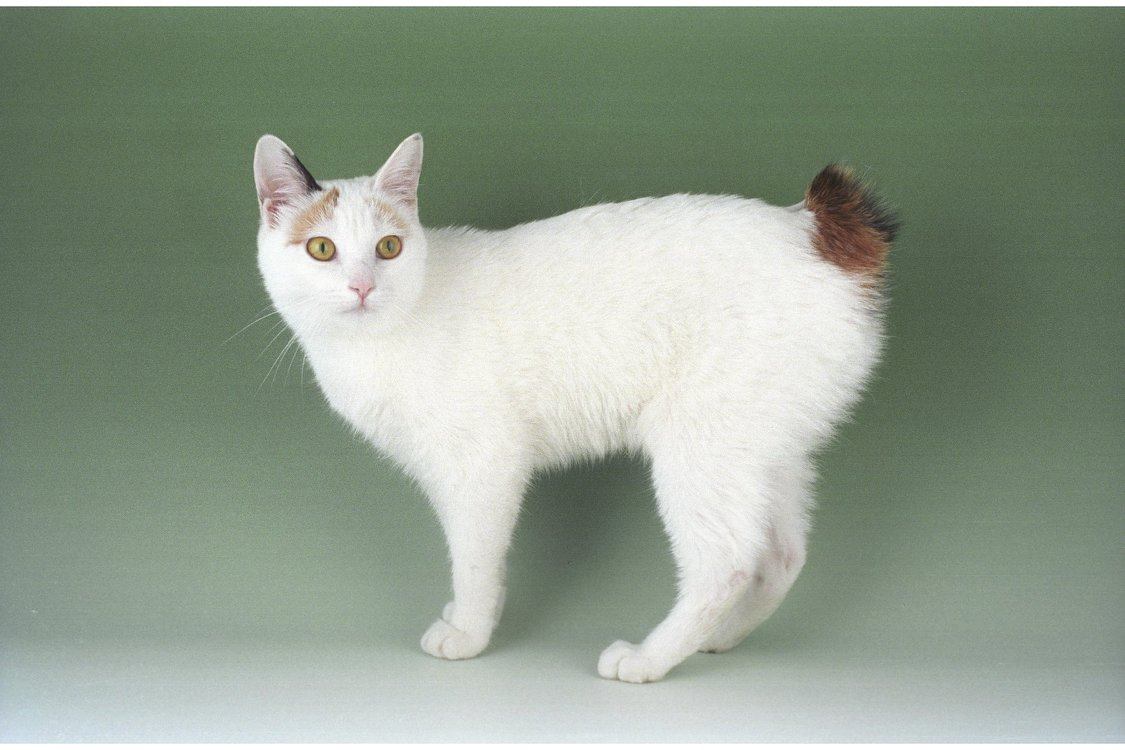
The Japanese Bobtail's unique pom-pom tail and lucky-cat heritage make them a beloved breed, but their active, chatty, and social nature can sometimes mask underlying health issues. As a medium-sized breed with a short or long silky coat, Japanese Bobtails are generally hardy, but they are predisposed to certain conditions, such as dental disease and urinary issues. Regular check-ups and a watchful eye can help prevent these issues from becoming major problems. With their high energy level and long lifespan of 12-16 years, Japanese Bobtails require careful monitoring to ensure they stay healthy and happy. Their low shedding and grooming needs make them a great choice for busy owners, but this also means that health issues may not be immediately apparent. By being aware of the common health issues that affect Japanese Bobtails, owners can take proactive steps to prevent and address them. From dental disease to heart conditions, Japanese Bobtails are prone to a range of health issues that require attention and care. By understanding these conditions and taking steps to prevent them, owners can help their Japanese Bobtail live a long and healthy life.
What to look for
Monitor Dental Health
Japanese Bobtails are prone to dental disease, so regular dental check-ups and a balanced diet are crucial. Owners should look for signs of dental issues, such as bad breath or yellowing teeth, and consult a veterinarian if they notice any problems. A healthy dental routine can help prevent issues and ensure the cat's overall health.
Watch for Urinary Issues
Urinary issues are common in Japanese Bobtails, so owners should be aware of signs such as accidents outside the litter box or straining to urinate. A veterinarian can help diagnose and treat any underlying issues, and owners can take steps to prevent problems by providing a balanced diet and plenty of fresh water.
Maintain a Healthy Weight
Japanese Bobtails are prone to obesity, which can increase the risk of health issues such as diabetes and heart disease. Owners should monitor their cat's weight and adjust their diet and exercise routine accordingly. A balanced and nutritious diet, combined with regular playtime and exercise, can help maintain a healthy weight and prevent related health issues.
Check for Hairballs
Japanese Bobtails are prone to hairballs, especially those with long coats. Owners should groom their cat regularly to reduce the risk of hairballs and provide a balanced diet that includes fiber to help move hair through the digestive system. Regular grooming and a healthy diet can help prevent hairballs and ensure the cat's overall health.
Schedule Regular Check-Ups
Regular check-ups with a veterinarian are crucial for monitoring the Japanese Bobtail's health and catching any potential issues early. Owners should schedule annual check-ups and consult a veterinarian if they notice any signs of illness or injury. By being proactive and monitoring their cat's health, owners can help prevent issues and ensure their Japanese Bobtail lives a long and healthy life.
Frequently asked questions
What are the most common health issues in Japanese Bobtails?
Japanese Bobtails are prone to dental disease, urinary issues, and heart conditions, as well as hairballs and obesity. Regular check-ups and a watchful eye can help prevent these issues from becoming major problems.
How can I prevent dental disease in my Japanese Bobtail?
Regular dental check-ups and a balanced diet can help prevent dental disease in Japanese Bobtails. Owners should also look for signs of dental issues, such as bad breath or yellowing teeth, and consult a veterinarian if they notice any problems.
What are the signs of urinary issues in Japanese Bobtails?
Signs of urinary issues in Japanese Bobtails include accidents outside the litter box, straining to urinate, and changes in urination frequency or volume. Owners should consult a veterinarian if they notice any of these signs.
Can Japanese Bobtails be prone to obesity?
Yes, Japanese Bobtails can be prone to obesity, which can increase the risk of health issues such as diabetes and heart disease. Owners should monitor their cat's weight and adjust their diet and exercise routine accordingly.
How often should I groom my Japanese Bobtail to prevent hairballs?
Japanese Bobtails with long coats should be groomed regularly to reduce the risk of hairballs. Owners should aim to groom their cat at least 2-3 times a week, and provide a balanced diet that includes fiber to help move hair through the digestive system.
By being aware of the common health issues that affect Japanese Bobtails and taking proactive steps to prevent them, owners can help their cat live a long and healthy life. Regular check-ups, a balanced diet, and a watchful eye can help prevent issues and ensure the Japanese Bobtail's overall health and happiness. Owners should prioritize their cat's health and consult a veterinarian if they notice any signs of illness or injury.
More for your Japanese Bobtail
Other breed-matched picks worth a look.