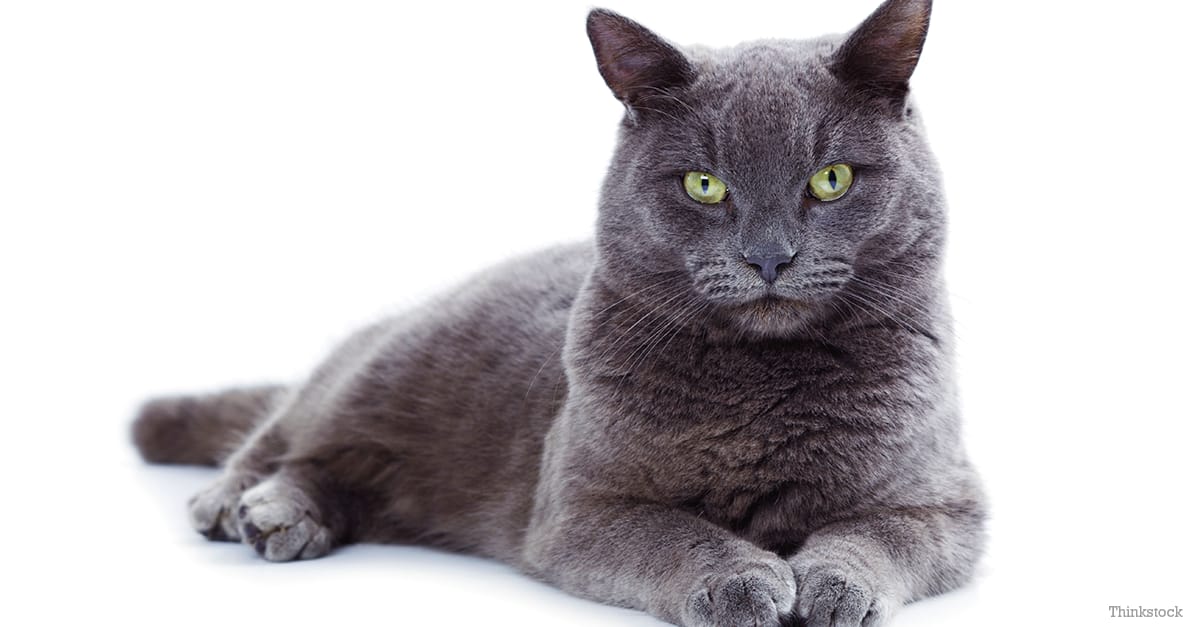
Common Korat Health Issues to Watch For
By PetEssentialist Team · Updated July 2026 · How we review
We independently research and pick every product. When you buy through our links we may earn a commission, at no extra cost to you. How this works.
The Korat's short, single coat requires minimal grooming, but their moderate energy level and affectionate nature demand attention to their overall health. As a breed prone to GM1/GM2 gangliosidosis, HCM, dental disease, and hairballs, Korat owners must be vigilant. Regular check-ups and a watchful eye can help prevent or manage these conditions, ensuring a long and healthy life for these loyal companions. Korat owners often form deep bonds with their pets, which can make it challenging to notice subtle changes in behavior or health. However, being aware of the breed's specific health issues and taking proactive steps can help prevent or mitigate potential problems. By understanding the Korat's unique needs and characteristics, owners can provide the best possible care for their beloved pets. The Korat's gentle and intelligent nature makes them a joy to care for, but their sensitivity to change means that owners must be patient and consistent in their approach to health and wellness. By working closely with a veterinarian and staying informed about common health issues, Korat owners can help their pets thrive.
What to look for
Monitor for Signs of GM1/GM2 Gangliosidosis
Korat owners should be aware of the signs of GM1/GM2 gangliosidosis, a genetic disorder that can cause tremors, seizures, and vision loss. Regular check-ups with a veterinarian can help identify potential issues early on. Owners should also watch for changes in their Korat's behavior, such as difficulty walking or loss of coordination.
Maintain Good Dental Health
Dental disease is a common issue in Korats, and regular brushing and veterinary check-ups can help prevent it. Owners should also provide their Korat with a balanced diet and plenty of fresh water to help maintain good oral health. Additionally, owners can help reduce the risk of dental disease by providing their Korat with dental chews or toys.
Watch for Signs of Heart Disease
Korats are prone to HCM, a heart condition that can be fatal if left untreated. Owners should be aware of the signs of HCM, such as difficulty breathing, lethargy, and pale gums. Regular check-ups with a veterinarian can help identify potential issues early on, and owners should also monitor their Korat's behavior and overall health.
Reduce the Risk of Hairballs
Korats are prone to hairballs, which can cause digestive issues and other health problems. Owners can help reduce the risk of hairballs by brushing their Korat regularly, providing a balanced diet, and ensuring their Korat has access to plenty of fresh water. Additionally, owners can consider adding a small amount of fiber to their Korat's diet to help move hair through the digestive system.
Be Aware of Changes in Behavior
Korats are sensitive to change and can be prone to stress and anxiety. Owners should be aware of changes in their Korat's behavior, such as increased meowing, pacing, or hiding. By being aware of these changes, owners can take steps to reduce their Korat's stress and anxiety, such as providing a calm and consistent environment.
Frequently asked questions
How often should I take my Korat to the vet?
Korat owners should take their pet to the vet at least once a year for a check-up, and more often if they notice any changes in behavior or health. Regular check-ups can help identify potential issues early on and prevent more serious problems from developing.
What are the signs of GM1/GM2 gangliosidosis in Korats?
The signs of GM1/GM2 gangliosidosis in Korats can include tremors, seizures, vision loss, and difficulty walking. Owners should be aware of these signs and seek veterinary care immediately if they notice any of them.
Can I prevent dental disease in my Korat?
Yes, owners can help prevent dental disease in their Korat by providing regular brushing, a balanced diet, and plenty of fresh water. Additionally, owners can provide their Korat with dental chews or toys to help reduce the risk of dental disease.
How can I reduce the risk of hairballs in my Korat?
Owners can help reduce the risk of hairballs in their Korat by brushing their pet regularly, providing a balanced diet, and ensuring their Korat has access to plenty of fresh water. Additionally, owners can consider adding a small amount of fiber to their Korat's diet to help move hair through the digestive system.
What are the signs of HCM in Korats?
The signs of HCM in Korats can include difficulty breathing, lethargy, and pale gums. Owners should be aware of these signs and seek veterinary care immediately if they notice any of them.
By being aware of the Korat's specific health issues and taking proactive steps, owners can help their pets thrive. Regular check-ups with a veterinarian, a balanced diet, and plenty of love and attention can help prevent or manage common health issues in Korats. With the right care and attention, Korats can live long, happy, and healthy lives as beloved companions.
More for your Korat
Other breed-matched picks worth a look.