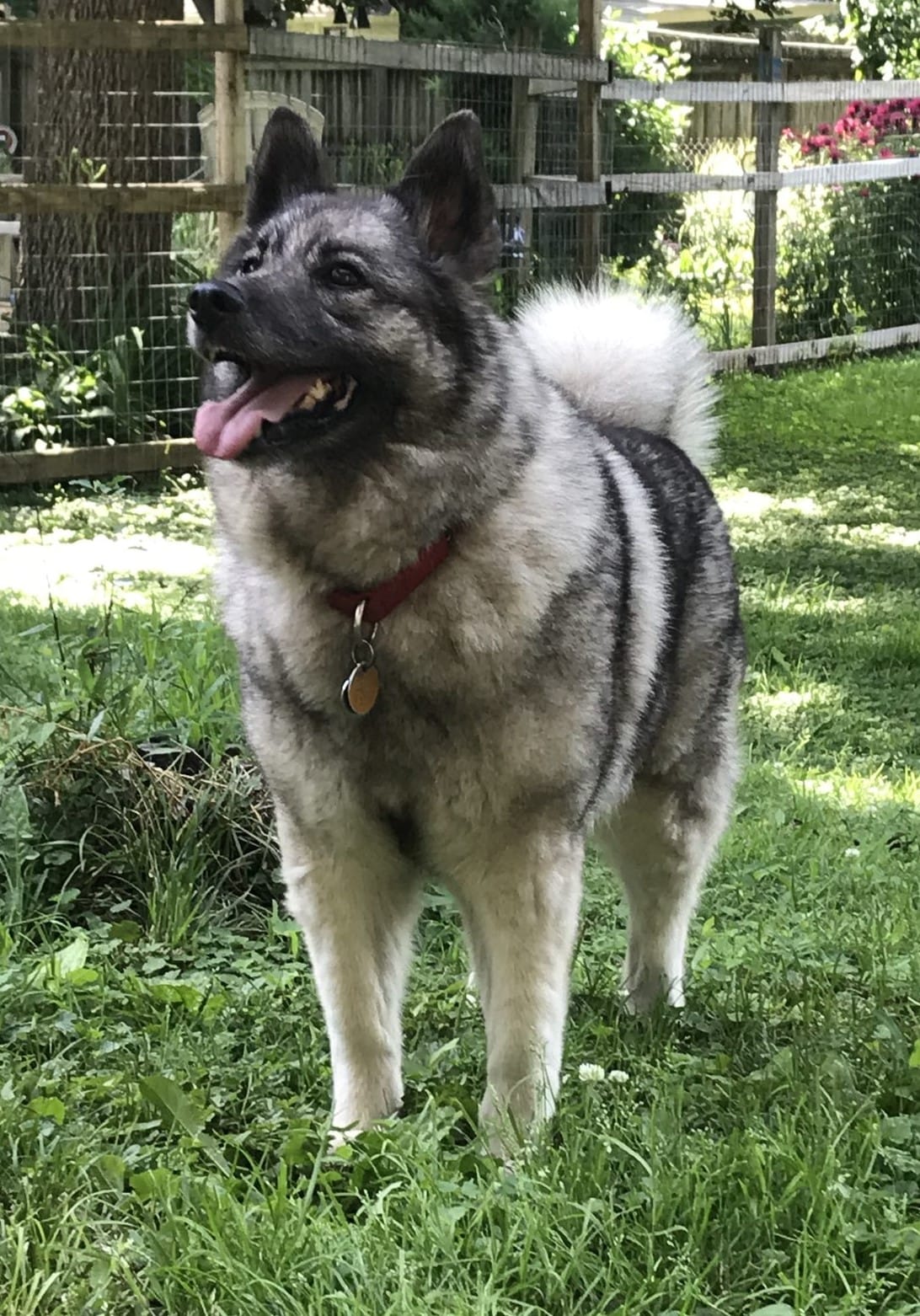
Common Norwegian Elkhound Health Issues to Watch For
By PetEssentialist Team · Updated July 2026 · How we review
We independently research and pick every product. When you buy through our links we may earn a commission, at no extra cost to you. How this works.
As the seasons change, Norwegian Elkhound owners know to expect a flurry of shedding from their thick-coated companions. But amidst the blowing coat and energetic play, it's essential to keep a watchful eye out for potential health issues that can affect this sturdy northern spitz breed. Norwegian Elkhounds are prone to certain conditions, including hip dysplasia, Progressive Retinal Atrophy (PRA), hypothyroidism, and Fanconi syndrome, which can impact their quality of life and lifespan. With their bold, loyal, and friendly nature, Norwegian Elkhounds make wonderful companions, but their independence can sometimes make them challenging to monitor for health issues. Regular check-ups, a balanced diet, and plenty of exercise can help prevent or manage these conditions. By being aware of the common health issues that affect Norwegian Elkhounds, owners can take proactive steps to ensure their dog leads a long, happy, and healthy life. As a Norwegian Elkhound owner, it's crucial to be vigilant about your dog's health, particularly as they age. With a lifespan of 12-15 years, these dogs can be prone to weight gain, which can exacerbate existing health issues. By understanding the specific health needs of your Norwegian Elkhound, you can take steps to prevent or manage these conditions and help your dog thrive.
What to look for
Monitor for Hip Dysplasia
Norwegian Elkhounds are prone to hip dysplasia, a genetic condition that can lead to arthritis and mobility issues. Owners should monitor their dog's gait and movement, watching for signs of stiffness or pain. Regular exercise, a balanced diet, and maintaining a healthy weight can help reduce the risk of hip dysplasia. It's also essential to work with a reputable breeder who has screened their breeding stock for this condition.
Watch for Signs of PRA
Progressive Retinal Atrophy (PRA) is a genetic eye disorder that can lead to blindness in Norwegian Elkhounds. Owners should watch for signs of vision loss, such as difficulty navigating familiar spaces or reluctance to jump or climb. Regular eye exams can help detect PRA early, and owners should work with a breeder who has had their breeding stock cleared for this condition.
Maintain a Healthy Weight
Norwegian Elkhounds are prone to weight gain, which can exacerbate existing health issues. Owners should monitor their dog's weight, ensuring they maintain a healthy, athletic build. Regular exercise, a balanced diet, and limiting treats can help prevent weight gain. It's also essential to avoid overfeeding, as this can lead to a range of health problems.
Be Aware of Hypothyroidism
Hypothyroidism is a common condition in Norwegian Elkhounds, which can lead to skin issues, weight gain, and other health problems. Owners should watch for signs of hypothyroidism, such as dry skin, hair loss, or lethargy. Regular check-ups with a veterinarian can help detect this condition early, and treatment can help manage symptoms.
Recognize the Signs of Fanconi Syndrome
Fanconi syndrome is a rare but serious condition that can affect Norwegian Elkhounds. Owners should watch for signs of excessive thirst, urination, or lethargy, and seek veterinary attention immediately if they suspect their dog is affected. Regular check-ups and monitoring can help detect this condition early, and treatment can help manage symptoms.
Frequently asked questions
How often should I take my Norwegian Elkhound to the vet?
Regular check-ups with a veterinarian are essential to monitor your Norwegian Elkhound's health. Owners should aim to take their dog to the vet at least twice a year, or more frequently if they have a pre-existing condition. Regular check-ups can help detect health issues early, and prevent or manage conditions such as hip dysplasia, PRA, and hypothyroidism.
What are the signs of hip dysplasia in Norwegian Elkhounds?
Signs of hip dysplasia in Norwegian Elkhounds can include stiffness, pain, or difficulty moving. Owners may notice their dog is reluctant to jump or climb, or has a noticeable limp. Regular monitoring and veterinary check-ups can help detect hip dysplasia early, and treatment can help manage symptoms.
Can Norwegian Elkhounds be prone to obesity?
Yes, Norwegian Elkhounds can be prone to obesity, particularly if they are overfed or do not receive regular exercise. Owners should monitor their dog's weight, ensuring they maintain a healthy, athletic build. Regular exercise, a balanced diet, and limiting treats can help prevent weight gain and associated health problems.
How can I prevent PRA in my Norwegian Elkhound?
While PRA is a genetic condition, owners can work with a reputable breeder who has had their breeding stock cleared for this condition. Regular eye exams can also help detect PRA early, and owners should watch for signs of vision loss, such as difficulty navigating familiar spaces or reluctance to jump or climb.
What should I do if I suspect my Norwegian Elkhound has a health issue?
If you suspect your Norwegian Elkhound has a health issue, it's essential to seek veterinary attention immediately. Regular check-ups and monitoring can help detect health issues early, and treatment can help manage symptoms. Owners should not hesitate to reach out to their veterinarian if they have concerns about their dog's health, as early detection and treatment can significantly improve outcomes.
By understanding the common health issues that affect Norwegian Elkhounds, owners can take proactive steps to ensure their dog leads a long, happy, and healthy life. Regular check-ups, a balanced diet, and plenty of exercise can help prevent or manage conditions such as hip dysplasia, PRA, and hypothyroidism. By being vigilant about their dog's health and working with a reputable breeder, owners can help their Norwegian Elkhound thrive and enjoy a fulfilling life with their loyal and loving companion.
More for your Norwegian Elkhound
Other breed-matched picks worth a look.