Common Norwegian Forest Cat Health Issues to Watch For
By PetEssentialist Team · Updated June 2026 · How we review
We independently research and pick every product. When you buy through our links we may earn a commission, at no extra cost to you. How this works.
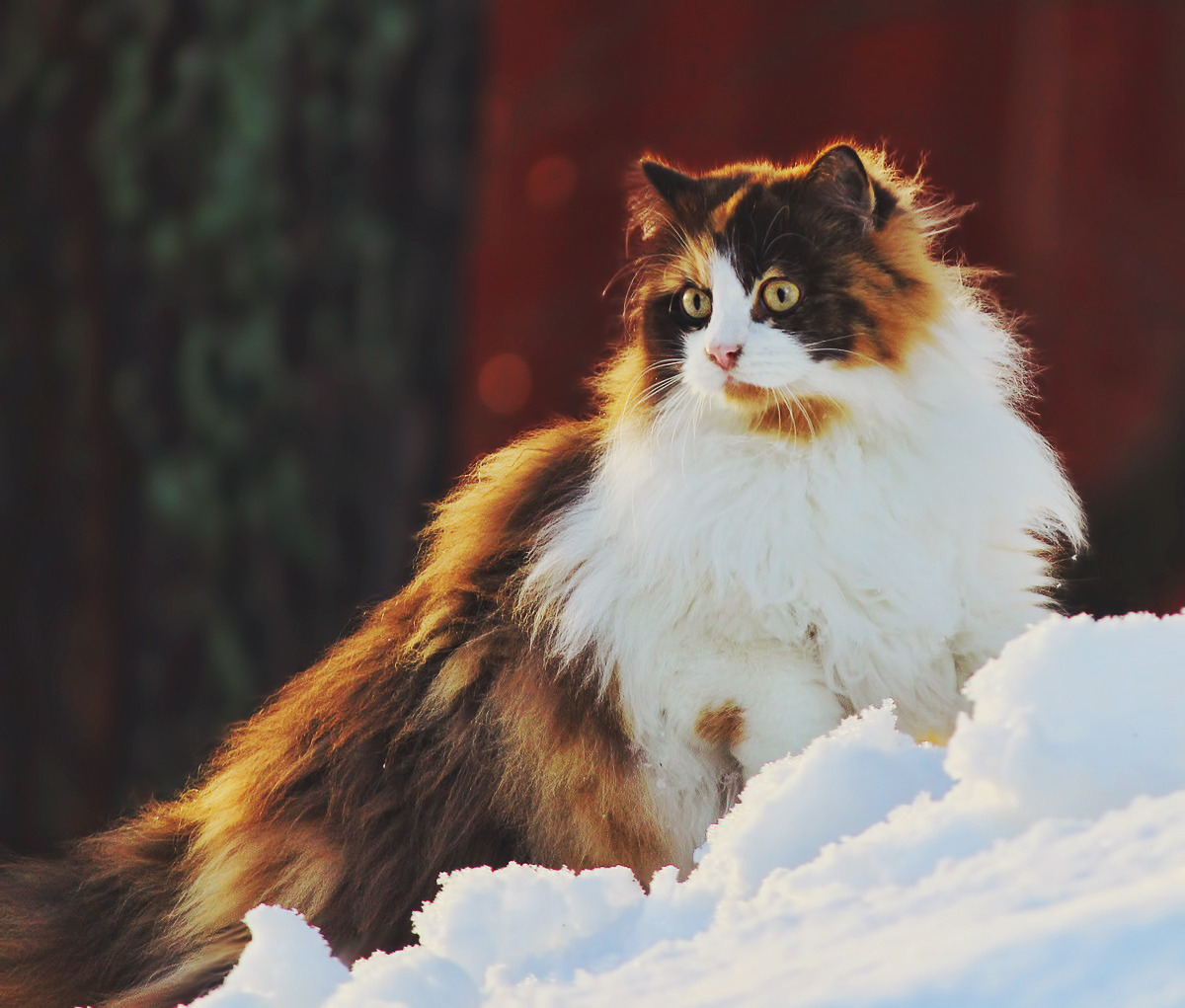
As the sun rises over a cozy home, a Norwegian Forest Cat stretches out its massive frame, shaking off the slumber. The gentle giant's thick, water-resistant coat glistens in the morning light, but beneath its majestic appearance, owners must be vigilant about potential health issues. Norwegian Forest Cats are prone to certain conditions that can affect their quality of life, such as heart problems, hip dysplasia, and digestive issues. Their high shedding and matting coat requires regular grooming, which can help prevent hairballs and reduce the risk of skin irritation. Owners who understand the specific needs of their Norwegian Forest Cat can take proactive steps to prevent or manage these health issues, ensuring their beloved pet leads a long and happy life. With their moderate energy level and independent temperament, Norwegian Forest Cats are generally easy-going, but they still require careful monitoring and regular veterinary check-ups to stay healthy.
What to look for
Regular Grooming
Norwegian Forest Cats need regular grooming to prevent matting and tangling of their thick coat. Owners should set aside time each day to brush their cat, paying particular attention to areas where mats tend to form. This not only reduces the risk of hairballs but also helps to distribute skin oils, keeping their coat healthy and shiny. A well-groomed coat can also help to prevent skin irritation and reduce the risk of infection.
Monitor Food Intake
Norwegian Forest Cats are prone to digestive issues, including hairballs and glycogen storage disease. Owners should monitor their cat's food intake, ensuring they eat a balanced diet that meets their nutritional needs. Avoid overfeeding, as this can lead to obesity and exacerbate existing health issues. A high-quality cat food that is easy to digest can help to reduce the risk of digestive problems.
Provide Regular Exercise
While Norwegian Forest Cats are not overly demanding in terms of exercise, they still need regular physical activity to stay healthy. Owners should provide their cat with plenty of opportunities for play and exercise, such as chasing toys or climbing cat trees. This can help to maintain their physical health and reduce the risk of obesity-related problems.
Schedule Regular Veterinary Check-Ups
Regular veterinary check-ups are crucial for monitoring the health of Norwegian Forest Cats. Owners should schedule annual check-ups with their veterinarian, who can monitor their cat's health and detect any potential issues early on. This can help to prevent or manage health problems, ensuring their cat leads a long and healthy life.
Be Aware of Signs of Illness
Norwegian Forest Cats are generally stoic animals, but they can still show signs of illness or discomfort. Owners should be aware of these signs, such as changes in appetite, vomiting, or lethargy, and seek veterinary attention immediately if they notice anything unusual. Early detection and treatment can make a significant difference in the outcome of many health issues.
Frequently asked questions
How often should I groom my Norwegian Forest Cat?
Norwegian Forest Cats require regular grooming to prevent matting and tangling of their coat. Owners should aim to brush their cat at least 2-3 times a week, with daily brushing during shedding season.
What are the signs of hairballs in Norwegian Forest Cats?
Signs of hairballs in Norwegian Forest Cats include vomiting, lethargy, and loss of appetite. Owners may also notice that their cat is coughing or gagging, or that they are producing less stool than usual.
Can Norwegian Forest Cats be prone to obesity?
Yes, Norwegian Forest Cats can be prone to obesity, particularly if they are overfed or do not get enough exercise. Owners should monitor their cat's food intake and ensure they get regular physical activity to maintain a healthy weight.
How can I prevent hip dysplasia in my Norwegian Forest Cat?
While hip dysplasia can be a genetic condition, owners can take steps to reduce the risk of its development. Maintaining a healthy weight, providing regular exercise, and ensuring their cat gets a balanced diet can all help to reduce the risk of hip dysplasia.
What are the signs of heart problems in Norwegian Forest Cats?
Signs of heart problems in Norwegian Forest Cats include difficulty breathing, lethargy, and pale gums. Owners may also notice that their cat is experiencing coughing or wheezing, or that they are producing less urine than usual. If owners notice any of these signs, they should seek veterinary attention immediately.
For Norwegian Forest Cat owners, prioritizing regular grooming, a balanced diet, and regular veterinary check-ups is crucial for maintaining their cat's health. By being aware of the signs of illness and taking proactive steps to prevent or manage health issues, owners can help their beloved pet lead a long and happy life. With the right care and attention, Norwegian Forest Cats can thrive and bring joy and companionship to their owners for many years.
More for your Norwegian Forest Cat
Other breed-matched picks worth a look.