Common Old English Sheepdog Health Issues to Watch For
By PetEssentialist Team · Updated July 2026 · How we review
We independently research and pick every product. When you buy through our links we may earn a commission, at no extra cost to you. How this works.
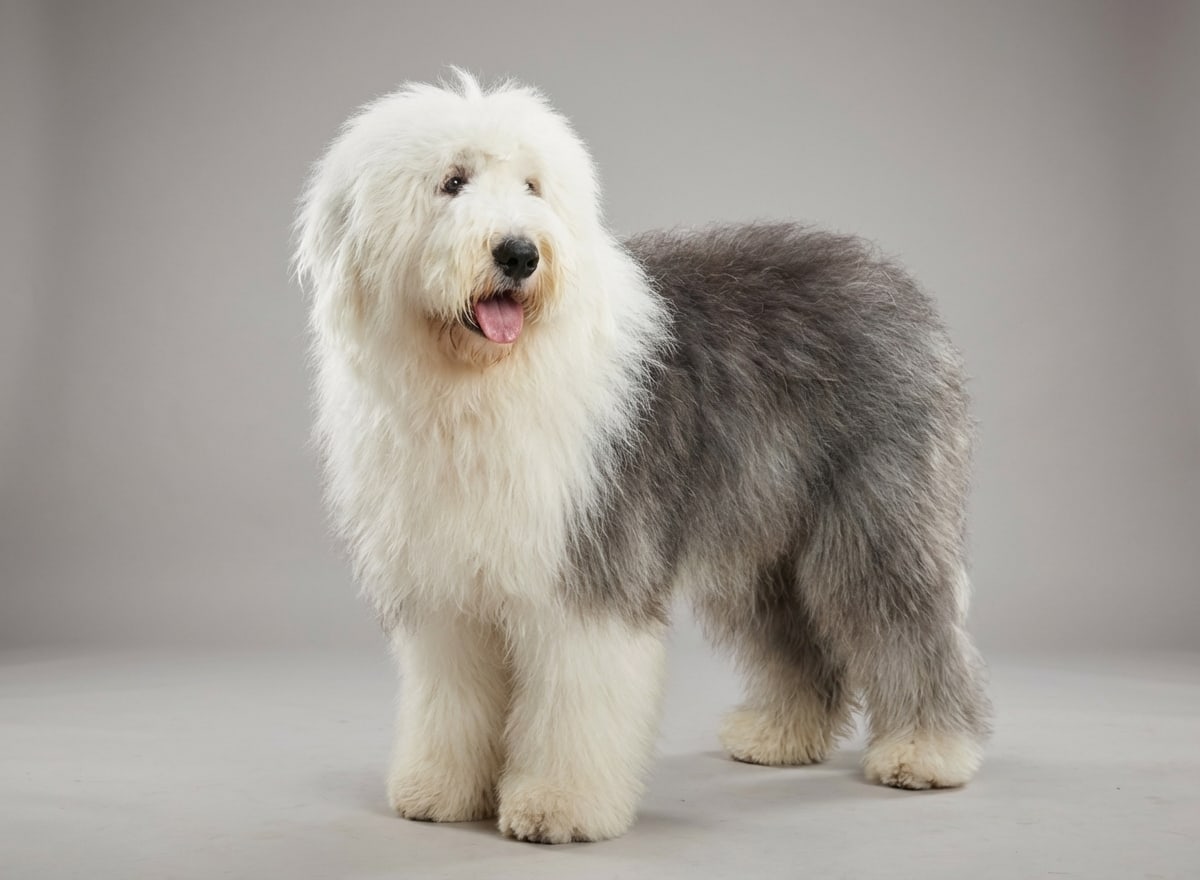
The Old English Sheepdog's signature shaggy coat, which can mat and tangle if not groomed regularly, is just one aspect of their unique needs. Their large size, moderate energy level, and gentle temperament also play a role in their predisposition to certain health issues. As an owner, understanding these factors is crucial to providing the best possible care for this beloved breed. With their adaptable and intelligent nature, Old English Sheepdogs can thrive in various living situations, but their high grooming needs and potential health concerns require attentive ownership. Regular grooming sessions, for instance, help prevent matting and tangling, which can lead to skin irritations and other issues. Similarly, their moderate energy level means they need regular exercise, but not to the extent that it might exacerbate conditions like hip dysplasia. By focusing on prevention and early detection, owners can help their Old English Sheepdogs live long, healthy lives. This involves being aware of the breed's common health issues, such as hip dysplasia, hypothyroidism, cataracts, and bloat, and taking proactive steps to mitigate these risks.
What to look for
Regular Grooming
Regular grooming is essential for Old English Sheepdogs to prevent matting and tangling of their coat, which can lead to skin irritations and other issues. Owners should aim to groom their dog at least 2-3 times a week, with daily brushing during shedding seasons. This not only helps in maintaining their coat but also provides an opportunity to inspect for any signs of health issues early on.
Moderate Exercise
While Old English Sheepdogs are not high-energy dogs, they still require regular exercise to stay healthy. Daily walks and playtime can help maintain their physical health and mental well-being. However, it's crucial to avoid overexertion, especially in puppies and older dogs, to prevent exacerbating conditions like hip dysplasia.
Diet and Nutrition
A balanced diet is vital for Old English Sheepdogs, especially considering their predisposition to hypothyroidism. Feeding a high-quality dog food that meets their nutritional needs, and avoiding overfeeding to prevent obesity, are critical. Consulting with a veterinarian can help determine the best diet for an individual dog based on their age, health, and activity level.
Health Check-ups
Regular health check-ups with a veterinarian are indispensable for early detection and management of health issues. Annual check-ups, and more frequently for older dogs, can help identify problems like cataracts, hypothyroidism, and hip dysplasia early on, when they are more manageable.
Emergency Preparedness
Given the risk of bloat (GDV) in large breeds like the Old English Sheepdog, it's essential for owners to be prepared for emergencies. Knowing the signs of bloat, such as restlessness, drooling, and a swollen abdomen, and having a plan in place, including the contact information of a local veterinary emergency clinic, can be lifesaving.
Frequently asked questions
How often should I groom my Old English Sheepdog?
Old English Sheepdogs require frequent grooming to prevent matting and tangling of their coat. Aim for at least 2-3 grooming sessions per week, with daily brushing during shedding seasons.
What are the signs of hip dysplasia in Old English Sheepdogs?
Signs of hip dysplasia can include difficulty rising from a lying down position, limping, and a decrease in activity level. If you notice any of these signs, consult with a veterinarian for a proper diagnosis and treatment plan.
Can Old English Sheepdogs be prone to eye problems?
Yes, Old English Sheepdogs can be prone to eye problems, including cataracts. Regular eye exams with a veterinarian are important for early detection and treatment of any eye issues.
How can I prevent bloat in my Old English Sheepdog?
To help prevent bloat, feed your Old English Sheepdog in multiple small meals, avoid exercising immediately after meals, and ensure they always have access to fresh water. Monitoring for signs of bloat and seeking immediate veterinary attention if they occur is also crucial.
Is hypothyroidism common in Old English Sheepdogs, and how is it managed?
Yes, hypothyroidism is a common health issue in Old English Sheepdogs. Management typically involves thyroid hormone replacement medication, which your veterinarian can prescribe and monitor. Regular check-ups are necessary to adjust the dosage as needed and ensure the condition is well-managed.
For Old English Sheepdog owners, prioritizing regular grooming, moderate exercise, a balanced diet, regular health check-ups, and being prepared for emergencies is key to ensuring their dog leads a healthy and happy life. By understanding and addressing the specific needs and health concerns of this breed, owners can provide the care and attention necessary to mitigate potential health issues and enjoy a fulfilling relationship with their pet.
More for your Old English Sheepdog
Other breed-matched picks worth a look.