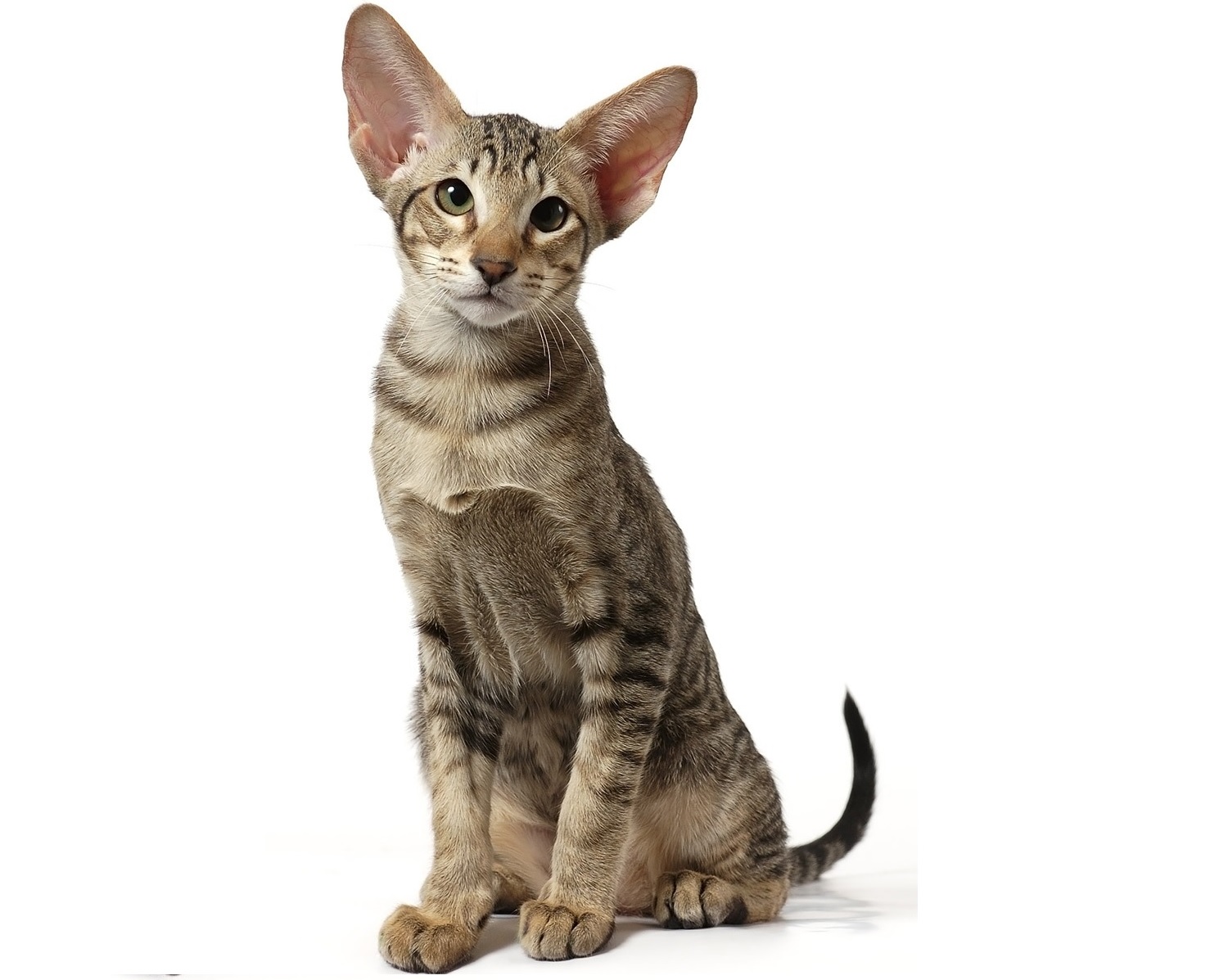
Common Oriental Shorthair Health Issues to Watch For
By PetEssentialist Team · Updated June 2026 · How we review
We independently research and pick every product. When you buy through our links we may earn a commission, at no extra cost to you. How this works.
The Oriental Shorthair's sleek, short coat and energetic personality make them a joy to own, but their predisposition to certain health issues requires careful attention. As an owner, it's essential to be aware of the potential risks of respiratory issues, dental disease, and eye problems, which can significantly impact their quality of life. With proper care and regular monitoring, many of these issues can be prevented or managed, allowing your Oriental Shorthair to thrive. The Oriental Shorthair's high energy level and curious nature mean they require plenty of stimulation and exercise to stay happy and healthy. This can include playtime with toys, scratching posts, and interactive games, as well as regular social interaction to satisfy their social and vocal temperament. By understanding the specific needs of your Oriental Shorthair, you can take proactive steps to prevent common health issues and ensure a long and healthy life for your cat. Regular veterinary check-ups are crucial for identifying potential health issues early on, and preventative care such as vaccinations, parasite control, and dental care can help prevent many common problems. By working closely with your veterinarian and staying informed about your cat's health, you can help your Oriental Shorthair live a long and happy life, free from unnecessary suffering and health complications.
What to look for
Monitor Respiratory Health
Oriental Shorthairs are prone to respiratory issues, so it's essential to monitor their breathing and watch for signs of distress, such as wheezing or coughing. Keeping your home clean and dust-free can help reduce the risk of respiratory problems, and providing plenty of fresh air and ventilation can also help. Regular check-ups with your veterinarian can help identify any potential issues early on.
Prevent Dental Disease
Dental disease is a common issue in Oriental Shorthairs, and can lead to serious health problems if left untreated. Regular brushing and dental care can help prevent tartar build-up and reduce the risk of dental disease. Your veterinarian can provide guidance on the best way to care for your cat's teeth and recommend a suitable dental care routine.
Watch for Signs of Eye Problems
Oriental Shorthairs are prone to eye problems, including progressive retinal atrophy (PRA), which can lead to blindness if left untreated. Regular eye exams with your veterinarian can help identify any potential issues early on, and preventative care such as keeping your cat's eyes clean and providing plenty of light can also help reduce the risk of eye problems.
Provide Mental Stimulation
Oriental Shorthairs are highly intelligent and curious, and require plenty of mental stimulation to stay happy and healthy. Providing puzzle toys, scratching posts, and interactive games can help keep your cat engaged and active, reducing the risk of boredom and stress-related health issues.
Stay Informed and Consult Your Veterinarian
As an Oriental Shorthair owner, it's essential to stay informed about your cat's health and work closely with your veterinarian to prevent and manage common health issues. Regular check-ups and preventative care can help identify potential problems early on, and your veterinarian can provide guidance on the best way to care for your cat's specific needs.
Frequently asked questions
How often should I take my Oriental Shorthair to the vet?
Regular check-ups with your veterinarian are essential for monitoring your Oriental Shorthair's health and identifying potential issues early on. It's recommended to take your cat to the vet at least once a year, or more frequently if you notice any signs of illness or distress.
What are the signs of respiratory issues in Oriental Shorthairs?
Signs of respiratory issues in Oriental Shorthairs can include wheezing, coughing, and difficulty breathing. If you notice any of these symptoms, it's essential to consult your veterinarian as soon as possible to determine the cause and receive proper treatment.
How can I prevent dental disease in my Oriental Shorthair?
Regular brushing and dental care can help prevent tartar build-up and reduce the risk of dental disease in Oriental Shorthairs. Your veterinarian can provide guidance on the best way to care for your cat's teeth and recommend a suitable dental care routine.
What is progressive retinal atrophy (PRA), and how can I prevent it?
Progressive retinal atrophy (PRA) is a genetic eye disorder that can lead to blindness in Oriental Shorthairs. While there is no cure for PRA, regular eye exams with your veterinarian can help identify the condition early on, and preventative care such as keeping your cat's eyes clean and providing plenty of light can also help reduce the risk of eye problems.
Why is mental stimulation important for Oriental Shorthairs?
Oriental Shorthairs are highly intelligent and curious, and require plenty of mental stimulation to stay happy and healthy. Providing puzzle toys, scratching posts, and interactive games can help keep your cat engaged and active, reducing the risk of boredom and stress-related health issues.
By understanding the specific needs and health risks of your Oriental Shorthair, you can take proactive steps to prevent common health issues and ensure a long and happy life for your cat. Regular veterinary check-ups, preventative care, and plenty of mental and physical stimulation are essential for keeping your Oriental Shorthair healthy and thriving. With the right care and attention, your cat can live a long and fulfilling life, bringing joy and companionship to your family for years to come.
More for your Oriental Shorthair
Other breed-matched picks worth a look.