Common Portuguese Water Dog Health Issues to Watch For
By PetEssentialist Team · Updated July 2026 · How we review
We independently research and pick every product. When you buy through our links we may earn a commission, at no extra cost to you. How this works.
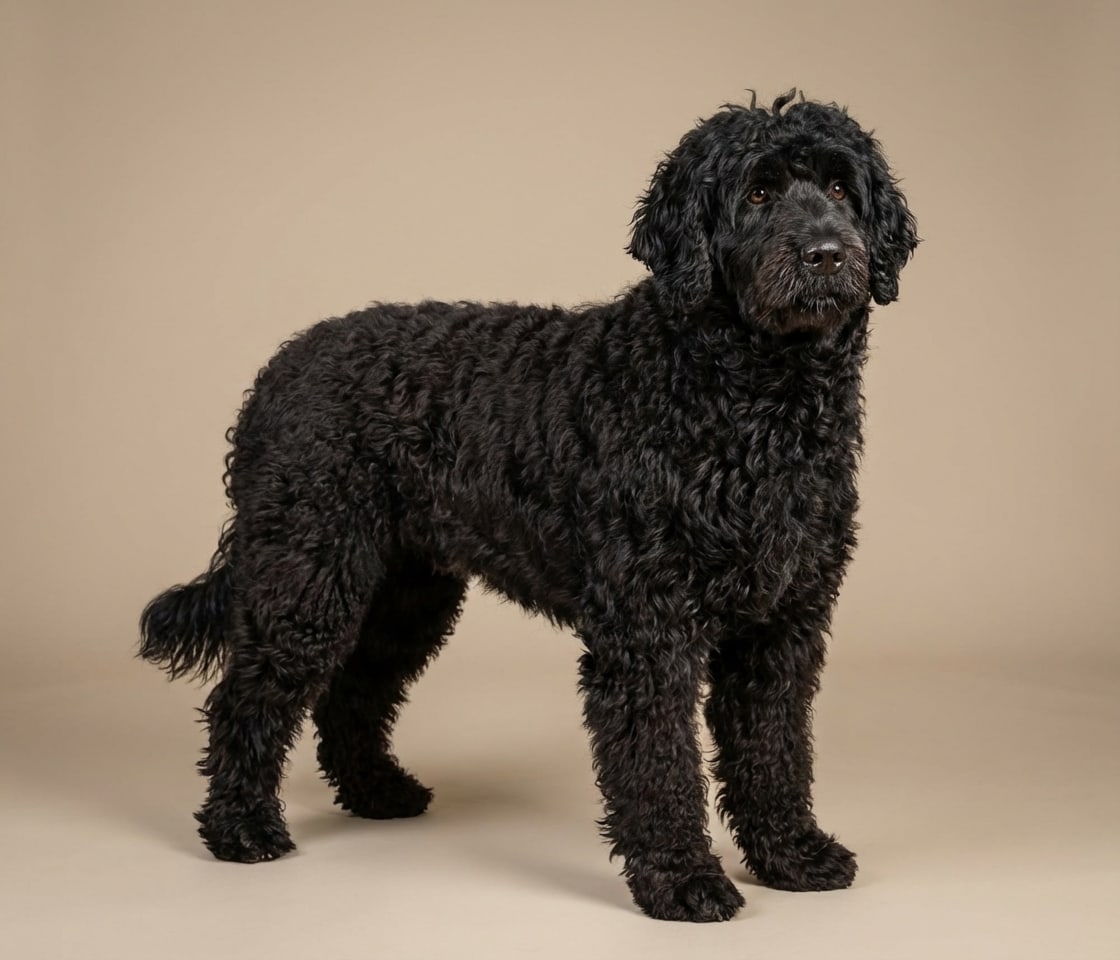
The Portuguese Water Dog's unique curly coat, which sheds very little, can sometimes hide underlying skin issues. As an athletic and energetic breed, the Portuguese Water Dog requires regular exercise and mental stimulation to prevent boredom and stress-related health problems. With their high intelligence and trainability, Portuguese Water Dog owners can take proactive steps to monitor and maintain their dog's health, reducing the risk of common issues like hip dysplasia and Progressive Retinal Atrophy (PRA).
What to look for
Regular Grooming
The Portuguese Water Dog's curly coat requires regular clipping to prevent matting and tangling. This can help reduce the risk of skin irritation and infections. Owners should aim to groom their dog at least once a week, and consider professional clipping every 6-8 weeks. Regular grooming also provides an opportunity to inspect the dog's skin and detect any potential issues early on.
Exercise and Mental Stimulation
Portuguese Water Dogs are highly energetic and require regular exercise to stay happy and healthy. A daily routine that includes a mix of physical activity, such as swimming or running, and mental stimulation, such as training or puzzle toys, can help reduce the risk of stress-related health problems. Owners should aim to provide at least 1-2 hours of exercise and mental stimulation per day.
Health Checks
Regular health checks are crucial for detecting potential health issues in Portuguese Water Dogs. Owners should work with their veterinarian to develop a schedule of regular check-ups, which can help identify issues like hip dysplasia, PRA, and Addison's disease early on. Owners should also be aware of the signs of these conditions, such as limping, vision loss, or changes in appetite or energy levels.
Genetic Testing
Genetic testing can help identify potential health issues in Portuguese Water Dogs, such as GM1 storage disease. Owners should work with their breeder or veterinarian to determine the best course of genetic testing for their dog. This can help inform breeding decisions and reduce the risk of passing on inherited health issues.
Diet and Nutrition
A balanced diet that meets the Portuguese Water Dog's nutritional needs is essential for maintaining their health. Owners should work with their veterinarian to determine the best diet for their dog, taking into account factors such as age, size, and activity level. A high-quality diet that includes essential nutrients, such as omega-3 fatty acids and antioxidants, can help support the dog's overall health and reduce the risk of certain health issues.
Frequently asked questions
What are the most common health issues in Portuguese Water Dogs?
The most common health issues in Portuguese Water Dogs include hip dysplasia, Progressive Retinal Atrophy (PRA), GM1 storage disease, and Addison's disease. Regular health checks and genetic testing can help identify these issues early on.
How often should I groom my Portuguese Water Dog?
Portuguese Water Dogs require regular grooming to prevent matting and tangling of their curly coat. Owners should aim to groom their dog at least once a week, and consider professional clipping every 6-8 weeks.
Can Portuguese Water Dogs swim?
Yes, Portuguese Water Dogs are natural swimmers and love the water. Swimming is a great way to provide exercise and mental stimulation for this breed, but owners should always supervise their dog when swimming and ensure their safety.
How much exercise does a Portuguese Water Dog need?
Portuguese Water Dogs are highly energetic and require at least 1-2 hours of exercise and mental stimulation per day. This can include a mix of physical activity, such as swimming or running, and mental stimulation, such as training or puzzle toys.
What are the signs of hip dysplasia in Portuguese Water Dogs?
The signs of hip dysplasia in Portuguese Water Dogs can include limping, stiffness, and difficulty rising from a lying down position. Owners should be aware of these signs and work with their veterinarian to develop a plan for managing the condition.
By prioritizing regular grooming, exercise, and health checks, Portuguese Water Dog owners can help reduce the risk of common health issues and keep their dog happy and healthy. With their high intelligence and trainability, Portuguese Water Dogs thrive on mental and physical stimulation, making them a rewarding breed to care for. By working closely with their veterinarian and staying informed about potential health issues, owners can provide the best possible care for their Portuguese Water Dog.
More for your Portuguese Water Dog
Other breed-matched picks worth a look.