Common Scottish Fold Health Issues to Watch For
By PetEssentialist Team · Updated June 2026 · How we review
We independently research and pick every product. When you buy through our links we may earn a commission, at no extra cost to you. How this works.
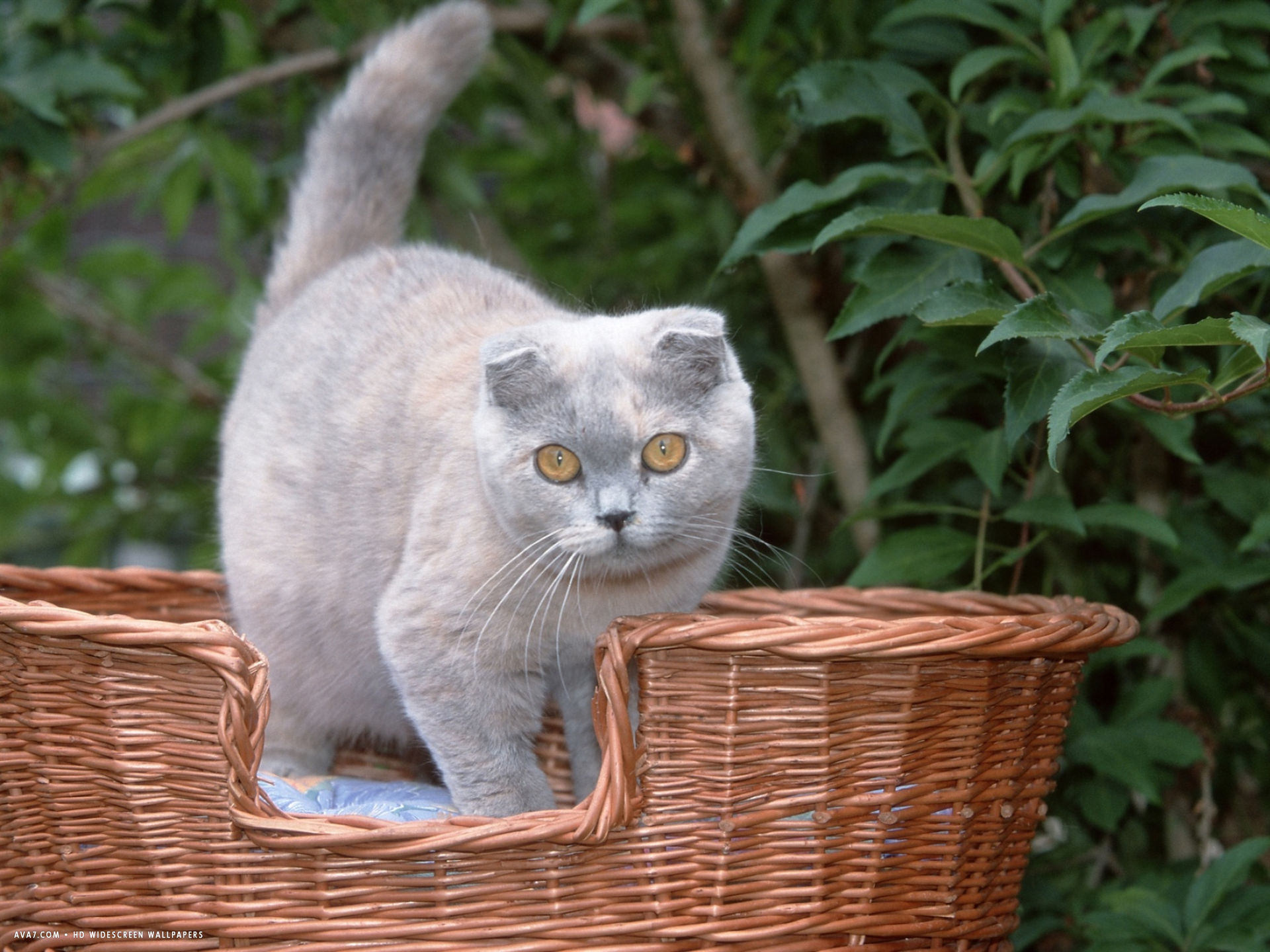
The Scottish Fold's unique folded ears come with a higher risk of osteochondrodysplasia, a cartilage condition that affects joints. This breed's moderate energy level and affectionate temperament make them a joy to be around, but their dense coat and moderate shedding require regular grooming. As a Scottish Fold owner, it's essential to be aware of the common health issues that can affect this breed, including HCM, PKD, and arthritis, to provide the best possible care. Scottish Folds are prone to joint issues due to their cartilage condition, which can lead to arthritis and mobility problems if not properly managed. Regular exercise, a balanced diet, and joint support can help prevent or alleviate these issues. Additionally, their folded ears require regular cleaning to prevent infections. By understanding the specific health needs of the Scottish Fold, owners can take proactive steps to prevent common health issues and ensure their cat lives a long and healthy life.
What to look for
Monitor Joint Health
Scottish Folds are at a higher risk of joint issues due to their cartilage condition. Regular monitoring of their joint health, including watching for signs of arthritis or mobility problems, is crucial. Providing joint support and using low-entry litter boxes can help alleviate these issues. Owners should also ensure their cat is getting regular exercise to maintain healthy joints.
Maintain a Healthy Weight
Scottish Folds can be prone to obesity, which can exacerbate joint issues and other health problems. Maintaining a healthy weight through a balanced diet and regular exercise is essential. Owners should work with their veterinarian to determine the ideal weight for their cat and develop a plan to achieve and maintain it.
Keep Those Ears Clean
The Scottish Fold's folded ears require regular cleaning to prevent infections. Owners should gently clean their cat's ears weekly, using a cotton ball and a gentle cleaning solution. This will help prevent wax buildup and reduce the risk of infection.
Watch for Signs of Heart Disease
HCM is a common health issue in Scottish Folds, and owners should be aware of the signs, including rapid breathing, lethargy, and pale gums. Regular check-ups with a veterinarian can help detect any potential heart issues early on.
Stay on Top of Veterinary Care
Regular veterinary check-ups are crucial for Scottish Folds, as they can help detect potential health issues early on. Owners should stay on top of their cat's vaccination schedule, dental care, and parasite control to ensure they remain healthy.
Frequently asked questions
How often should I groom my Scottish Fold?
Scottish Folds require regular grooming to prevent matting and tangling of their dense coat. Owners should aim to groom their cat at least 2-3 times a week, using a gentle brush or comb.
What are the signs of osteochondrodysplasia in Scottish Folds?
Signs of osteochondrodysplasia in Scottish Folds include joint pain, stiffness, and mobility problems. Owners may notice their cat is hesitant to jump or play, or is showing signs of discomfort when moving.
Can Scottish Folds develop kidney disease?
Yes, Scottish Folds are at a higher risk of developing PKD, a genetic disorder that can cause kidney disease. Regular check-ups with a veterinarian can help detect any potential kidney issues early on.
How can I help my Scottish Fold maintain healthy joints?
Providing joint support, using low-entry litter boxes, and ensuring regular exercise can help alleviate joint issues in Scottish Folds. Owners should also consider adding joint supplements to their cat's diet, after consulting with a veterinarian.
What is the average lifespan of a Scottish Fold?
The average lifespan of a Scottish Fold is 11-15 years, but with proper care and attention to their specific health needs, many Scottish Folds can live well into their teens.
By being aware of the common health issues that can affect Scottish Folds and taking proactive steps to prevent them, owners can help their cat live a long and healthy life. Prioritizing joint health, maintaining a healthy weight, and staying on top of veterinary care are key to ensuring the best possible outcome for this beloved breed. Owners who are dedicated to providing the unique care and attention required by Scottish Folds will be rewarded with a loyal and affectionate companion.
More for your Scottish Fold
Other breed-matched picks worth a look.