Common Shiba Inu Health Issues to Watch For
By PetEssentialist Team · Updated June 2026 · How we review
We independently research and pick every product. When you buy through our links we may earn a commission, at no extra cost to you. How this works.
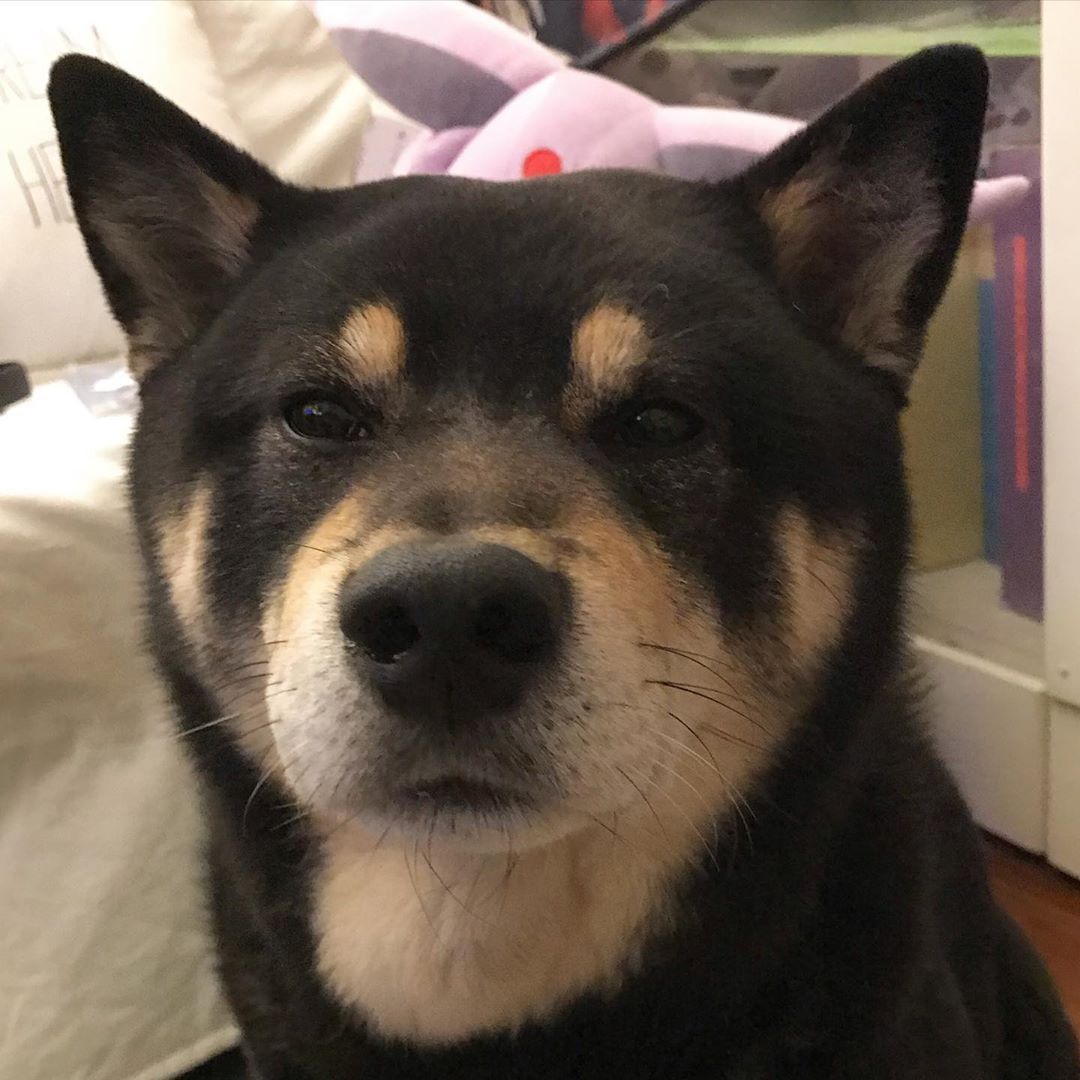
The Shiba Inu's thick double coat, which sheds heavily, is a distinctive feature of the breed. This coat requires regular grooming to prevent matting and tangling, and also sheds out seasonally, which can be a challenge for owners. As a small, high-energy breed with a bold and independent temperament, Shiba Inus are prone to certain health issues, including patellar luxation, skin allergies, and eye conditions. Their independent nature also makes them prone to escape, highlighting the importance of secure gear and regular monitoring. With their dense coat and high energy levels, Shiba Inus require careful attention to their health and well-being, particularly as they age. By understanding the common health issues that affect the breed, owners can take proactive steps to prevent and manage these conditions, ensuring their Shiba Inu leads a long and healthy life.
What to look for
Regular Grooming
Regular grooming is essential for Shiba Inus, particularly during shedding season. Daily brushing can help prevent matting and tangling, while also reducing the amount of loose hair. This can help reduce the risk of skin allergies and irritations, which are common in the breed. A thorough grooming routine should also include regular nail trimming, ear cleaning, and dental care.
Secure Gear and Equipment
Shiba Inus are notorious escape artists, so it's crucial to invest in secure gear and equipment, such as crates, leashes, and collars. This can help prevent injuries and accidents, particularly during exercise and training. Owners should also ensure that their yard is securely fenced, with no gaps or weaknesses that their Shiba Inu can exploit.
Monitoring for Health Issues
Shiba Inus are prone to certain health issues, including patellar luxation, skin allergies, and eye conditions. Owners should monitor their dog's health closely, watching for signs of illness or injury, such as limping, scratching, or discharge from the eyes. Regular veterinary check-ups can help identify potential issues early on, reducing the risk of complications and improving treatment outcomes.
Preventing Overexertion
Shiba Inus are high-energy dogs that require regular exercise to stay happy and healthy. However, they can be prone to overexertion, particularly in hot or humid weather. Owners should ensure that their Shiba Inu has access to plenty of fresh water and shade, and should avoid exercising their dog during the hottest part of the day. This can help reduce the risk of heatstroke and other heat-related illnesses.
Maintaining a Healthy Weight
Shiba Inus can be prone to obesity, particularly if they are overfed or under-exercised. Owners should monitor their dog's weight closely, ensuring that they are fed a balanced diet and get plenty of regular exercise. This can help reduce the risk of obesity-related health issues, such as diabetes and joint problems.
Frequently asked questions
How often should I groom my Shiba Inu?
Shiba Inus require regular grooming, particularly during shedding season. Daily brushing can help prevent matting and tangling, while also reducing the amount of loose hair. Owners should also trim their Shiba Inu's nails regularly, clean their ears and teeth, and inspect their coat for signs of irritation or infection.
Why is my Shiba Inu prone to escaping?
Shiba Inus are independent and curious dogs that can be prone to escaping if they are not properly secured. This can be due to a variety of factors, including boredom, anxiety, or a desire to explore their surroundings. Owners should ensure that their yard is securely fenced, and that their Shiba Inu is supervised at all times when outside.
What are the signs of patellar luxation in Shiba Inus?
Patellar luxation is a common health issue in Shiba Inus, where the kneecap slips out of place. Signs of patellar luxation can include limping, stiffness, and pain in the affected leg. Owners should monitor their Shiba Inu's gait and movement, watching for any signs of discomfort or difficulty walking.
How can I prevent skin allergies in my Shiba Inu?
Skin allergies are common in Shiba Inus, and can be caused by a variety of factors, including food sensitivities, environmental allergens, and skin irritations. Owners can help prevent skin allergies by feeding their Shiba Inu a balanced diet, avoiding exposure to potential allergens, and keeping their coat clean and well-groomed.
When should I consult a veterinarian about my Shiba Inu's health?
Owners should consult a veterinarian if they notice any signs of illness or injury in their Shiba Inu, such as limping, vomiting, or discharge from the eyes. Regular veterinary check-ups can also help identify potential health issues early on, reducing the risk of complications and improving treatment outcomes. Owners should not hesitate to seek veterinary advice if they are concerned about their Shiba Inu's health or well-being.
By understanding the common health issues that affect Shiba Inus, owners can take proactive steps to prevent and manage these conditions, ensuring their dog leads a long and healthy life. Regular grooming, secure gear and equipment, and monitoring for health issues are all crucial for maintaining a Shiba Inu's overall health and well-being. With the right care and attention, Shiba Inus can thrive and enjoy a happy, healthy life with their owners.
More for your Shiba Inu
Other breed-matched picks worth a look.