Common Soft Coated Wheaten Terrier Health Issues to Watch For
By PetEssentialist Team · Updated July 2026 · How we review
We independently research and pick every product. When you buy through our links we may earn a commission, at no extra cost to you. How this works.
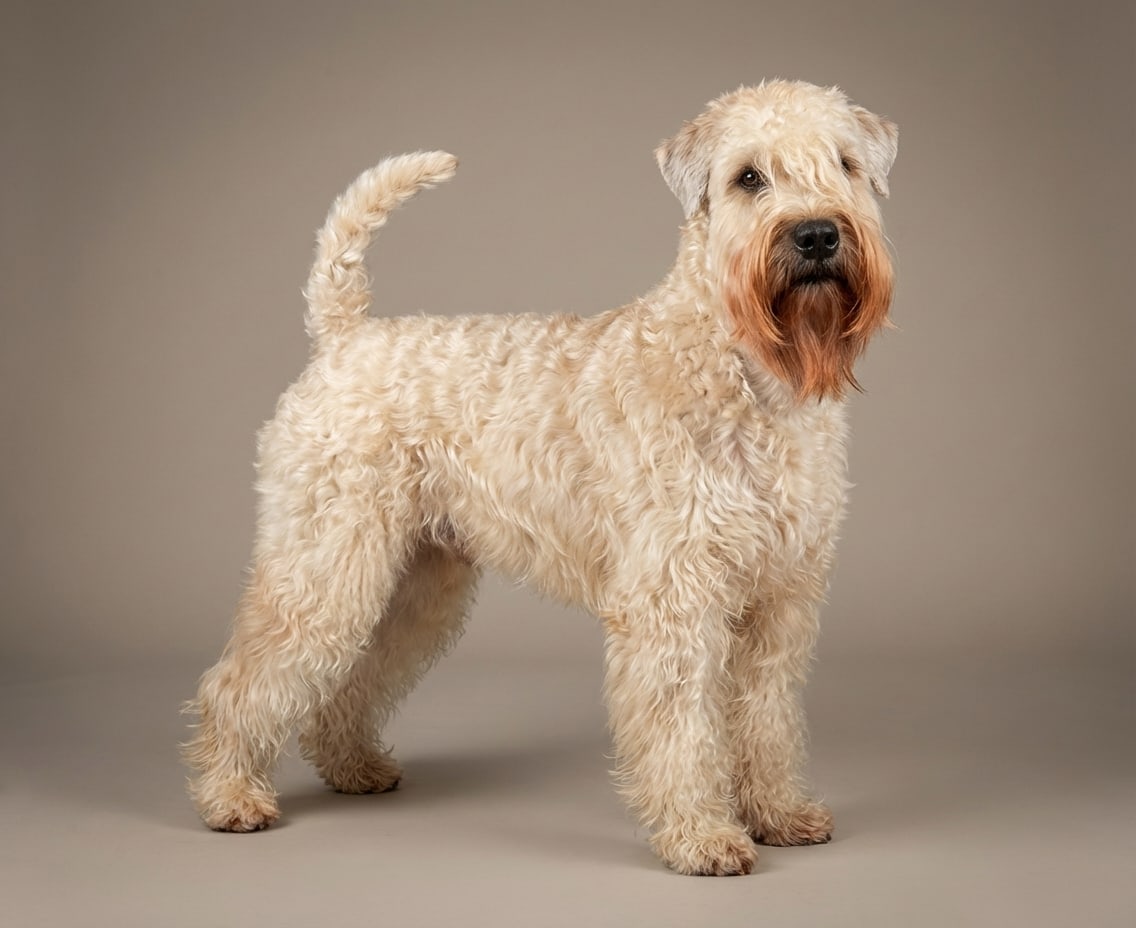
The Soft Coated Wheaten Terrier's predisposition to protein-losing nephropathy and protein-losing enteropathy makes kidney and gut health a top priority for owners. These conditions can lead to significant health issues if left unchecked, emphasizing the need for vigilant monitoring and maintenance. As a breed with a silky, low-shedding coat that mats easily, regular grooming is essential to prevent skin irritation and infections. Additionally, their high energy level and playful temperament require plenty of exercise and mental stimulation to prevent obesity and related health problems. With their friendly, happy, and devoted nature, Soft Coated Wheaten Terriers thrive on attention and interaction, making them a wonderful companion for active families. However, their health requires careful attention to prevent common issues such as renal dysplasia and allergies.
What to look for
Monitor Kidney Health
Regular check-ups with a veterinarian are crucial to detect any signs of protein-losing nephropathy or renal dysplasia. Owners should be aware of symptoms such as increased thirst, urination, or vomiting, and report them promptly to their vet. A balanced diet and plenty of fresh water can help support kidney health.
Maintain a Healthy Gut
A well-balanced diet rich in nutrients is essential to support the Soft Coated Wheaten Terrier's gut health. Owners should choose a high-quality dog food that meets their breed's specific needs and avoid overfeeding, which can lead to obesity and related health issues. Regular exercise and mental stimulation can also help reduce stress and support gut health.
Prevent Allergies
Soft Coated Wheaten Terriers are prone to allergies, which can cause skin irritation and infections. Regular grooming and bathing can help reduce the risk of allergies, as well as avoiding exposure to common allergens such as pollen or dust mites. Owners should also be aware of symptoms such as itching, scratching, or redness, and consult their veterinarian if they occur.
Provide Regular Grooming
The Soft Coated Wheaten Terrier's silky coat requires regular grooming to prevent matting and tangling. Owners should brush their dog's coat daily, paying particular attention to areas prone to matting, such as the armpits and behind the ears. Regular grooming can also help reduce shedding and prevent skin irritation.
Support Mental and Physical Health
Soft Coated Wheaten Terriers require plenty of exercise and mental stimulation to prevent boredom, stress, and related health issues. Owners should provide regular walks, playtime, and training sessions, as well as plenty of attention and interaction. A happy and healthy Soft Coated Wheaten Terrier is one that receives plenty of love, care, and attention from their family.
Frequently asked questions
What are the most common health issues in Soft Coated Wheaten Terriers?
The most common health issues in Soft Coated Wheaten Terriers include protein-losing nephropathy, protein-losing enteropathy, renal dysplasia, and allergies. Regular check-ups with a veterinarian and a healthy lifestyle can help prevent or manage these conditions.
How often should I groom my Soft Coated Wheaten Terrier?
The Soft Coated Wheaten Terrier's silky coat requires daily grooming to prevent matting and tangling. Owners should brush their dog's coat daily, paying particular attention to areas prone to matting, such as the armpits and behind the ears.
What are the symptoms of protein-losing nephropathy in Soft Coated Wheaten Terriers?
Symptoms of protein-losing nephropathy in Soft Coated Wheaten Terriers include increased thirst, urination, or vomiting. Owners should report any of these symptoms to their veterinarian promptly, as early detection and treatment can help manage the condition.
Can Soft Coated Wheaten Terriers be prone to obesity?
Yes, Soft Coated Wheaten Terriers can be prone to obesity if they are overfed or do not receive enough exercise. Owners should monitor their dog's weight and adjust their diet and exercise routine accordingly to prevent obesity and related health issues.
How can I prevent allergies in my Soft Coated Wheaten Terrier?
Preventing allergies in Soft Coated Wheaten Terriers requires regular grooming, bathing, and avoiding exposure to common allergens such as pollen or dust mites. Owners should also be aware of symptoms such as itching, scratching, or redness, and consult their veterinarian if they occur.
Prioritizing kidney and gut health is crucial for Soft Coated Wheaten Terrier owners, given the breed's predisposition to protein-losing nephropathy and protein-losing enteropathy. By following a healthy lifestyle, providing regular grooming and exercise, and monitoring for symptoms of common health issues, owners can help their Soft Coated Wheaten Terrier live a long and happy life. Consult with a veterinarian to determine the best course of action for your dog's specific needs.
More for your Soft Coated Wheaten Terrier
Other breed-matched picks worth a look.