Common Somali Health Issues to Watch For
By PetEssentialist Team · Updated July 2026 · How we review
We independently research and pick every product. When you buy through our links we may earn a commission, at no extra cost to you. How this works.
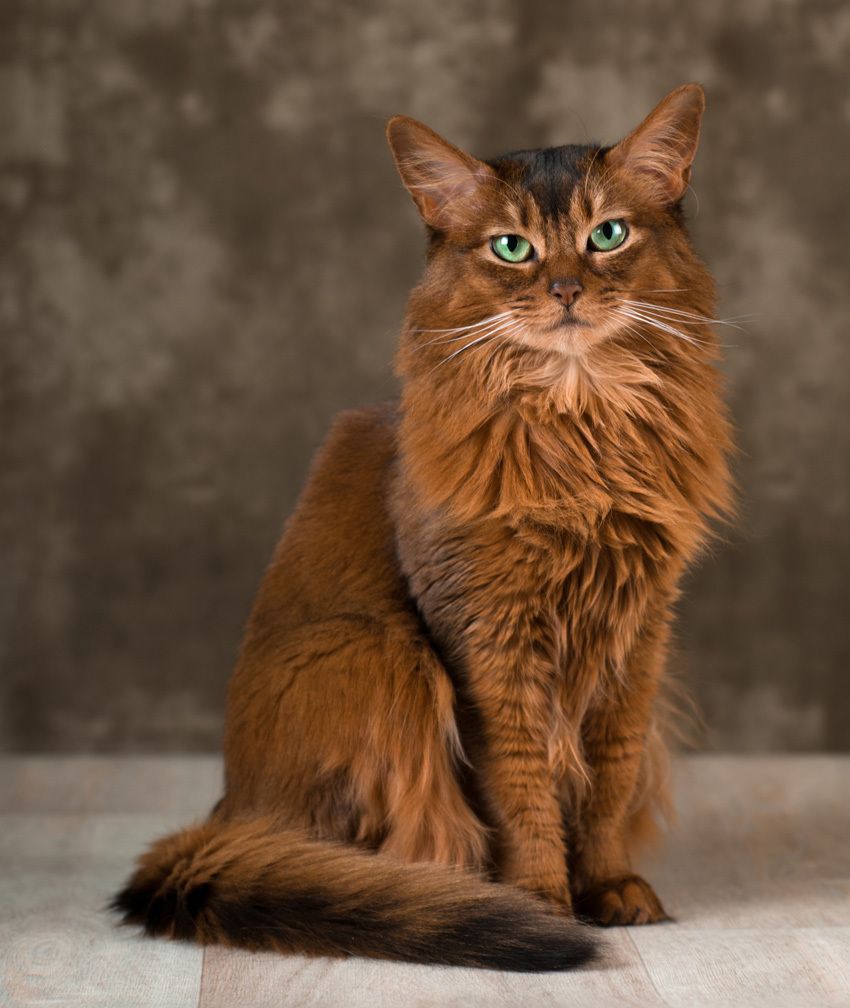
For Somali cat owners, understanding the breed's predispositions to certain health issues is crucial for providing the best possible care. The Somali's long, ticked coat requires regular grooming to prevent matting and tangling, which can lead to skin irritation and infection. Regular grooming sessions also provide an opportunity to inspect the cat's overall health, including checking for signs of dental disease, a common issue in Somalis. With their high energy level and curious nature, Somalis are prone to accidents and injuries, making it essential to ensure their environment is safe and secure. A busy, athletic cat like the Somali needs plenty of stimulation and exercise to prevent boredom and stress, which can contribute to the development of health issues. By being aware of the potential health issues that can affect Somalis, owners can take proactive steps to prevent or manage these conditions, ensuring their cat lives a long and healthy life.
What to look for
Regular Grooming
Regular grooming is essential for Somalis to prevent matting and tangling of their long coat. This can be a time-consuming process, but it's crucial for maintaining their overall health and detecting any potential issues early on. Aim to groom your Somali at least 2-3 times a week, paying particular attention to areas prone to matting, such as the armpits and behind the ears.
Dental Care
Dental disease is a common issue in Somalis, and regular dental care can help prevent this. Brush your Somali's teeth daily, and provide plenty of dental chews and toys to help keep their teeth clean. Regular veterinary check-ups can also help identify any potential dental issues early on.
Safe Environment
Somalis are naturally curious and love to explore, so it's essential to ensure their environment is safe and secure. Remove any hazardous materials or objects that could cause injury, and provide plenty of scratching posts and climbing structures to keep them active and stimulated.
Monitoring Health
Regular monitoring of your Somali's health is crucial for detecting any potential issues early on. Keep an eye out for signs of illness or injury, such as vomiting, diarrhea, or lethargy, and consult a veterinarian immediately if you notice anything unusual.
Genetic Testing
Somalis are prone to certain genetic health issues, such as pyruvate kinase deficiency and PRA. Consider having your cat genetically tested to identify any potential issues, and work with a reputable breeder who has had their breeding stock tested.
Frequently asked questions
What are the most common health issues in Somalis?
The most common health issues in Somalis include pyruvate kinase deficiency, progressive retinal atrophy (PRA), dental disease, and renal amyloidosis. Regular veterinary check-ups and genetic testing can help identify these issues early on.
How often should I groom my Somali?
It's recommended to groom your Somali at least 2-3 times a week, paying particular attention to areas prone to matting, such as the armpits and behind the ears.
Can Somalis be prone to obesity?
Yes, Somalis can be prone to obesity, particularly if they are not provided with enough exercise and stimulation. Ensure your Somali is getting plenty of physical activity and mental stimulation to prevent boredom and overeating.
How can I prevent dental disease in my Somali?
Regular dental care, including daily brushing and providing plenty of dental chews and toys, can help prevent dental disease in Somalis. Regular veterinary check-ups can also help identify any potential dental issues early on.
What are the signs of pyruvate kinase deficiency in Somalis?
Signs of pyruvate kinase deficiency in Somalis can include pale gums, lethargy, and jaundice. If you notice any of these signs, consult a veterinarian immediately.
By understanding the common health issues that can affect Somalis and taking proactive steps to prevent or manage these conditions, owners can help their cat live a long and healthy life. Prioritize regular grooming, dental care, and monitoring of your Somali's health, and consider genetic testing to identify any potential issues. With the right care and attention, Somalis can thrive and make loving and loyal companions.
More for your Somali
Other breed-matched picks worth a look.