Common Whippet Health Issues to Watch For
By PetEssentialist Team · Updated June 2026 · How we review
We independently research and pick every product. When you buy through our links we may earn a commission, at no extra cost to you. How this works.
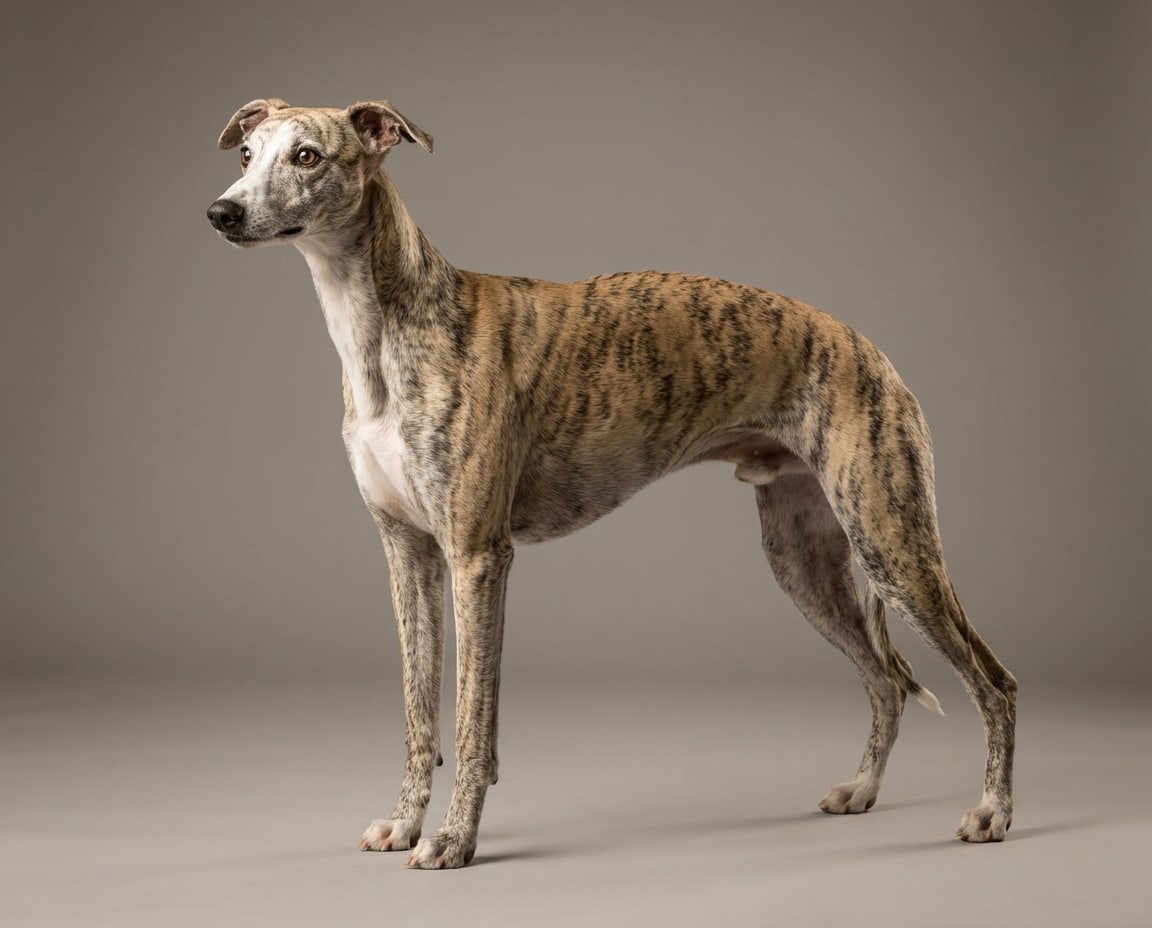
On a chilly winter morning, a Whippet's owner might notice their dog shivering and seeking warmth, a stark reminder of this breed's sensitivity to cold. Whippets, with their short coats and lean, thin-skinned bodies, feel the cold intensely, making it essential for owners to provide adequate warmth and comfort. As a high-energy breed that spends most of its time sprinting and then lounging, Whippets require careful attention to their health, particularly in areas such as dental disease, heart conditions, and joint care. Whippets are known for their calm, affectionate, and gentle nature, but their specific needs and predispositions set them apart from other breeds. With a lifespan of 12-15 years, it's crucial for owners to be aware of the potential health issues that can affect their Whippet's quality of life. By understanding these issues and taking preventative measures, owners can help their Whippets live long, happy, and healthy lives. As a medium-sized breed with a low-maintenance coat, Whippets are relatively easy to care for, but their unique characteristics demand attention to specific health concerns. Owners should be vigilant about monitoring their Whippet's health, watching for signs of dental disease, heart conditions, and other issues that can arise due to their breed-specific traits.
What to look for
Cold Sensitivity Prevention
Whippet owners should prioritize providing warmth and comfort, especially during cold weather. This can include investing in coats and sweaters, as well as ensuring their dog has access to soft, padded beds to protect their bony joints. By taking these precautions, owners can help prevent cold-related stress and discomfort in their Whippets. Regular checks for signs of cold sensitivity, such as shivering or seeking warmth, can also help identify potential issues early on.
Dental Disease Prevention
Whippets are prone to dental disease, making regular dental care essential. Owners should brush their Whippet's teeth regularly, provide dental chews and toys, and schedule annual dental check-ups with their veterinarian. By maintaining good oral health, owners can help prevent dental issues and promote overall well-being in their Whippets.
Heart Condition Monitoring
Whippets are susceptible to heart conditions, such as arrhythmias and cardiomyopathy. Owners should work closely with their veterinarian to monitor their Whippet's heart health, scheduling regular check-ups and screenings. By being aware of the signs of heart conditions, such as coughing, fatigue, or difficulty breathing, owners can help identify potential issues early on and seek veterinary care promptly.
Joint Care and Comfort
Whippets are prone to joint issues due to their thin skin and high-energy lifestyle. Owners should provide comfortable, supportive bedding and ensure their Whippet has access to regular exercise and mental stimulation. By prioritizing joint care and comfort, owners can help prevent issues such as arthritis and promote overall mobility and well-being in their Whippets.
Regular Veterinary Check-Ups
Regular veterinary check-ups are crucial for maintaining a Whippet's health and catching potential issues early on. Owners should schedule annual check-ups with their veterinarian, as well as follow any recommended vaccination and preventative care schedules. By staying on top of their Whippet's health, owners can help prevent and address common health issues, ensuring their dog lives a long and healthy life.
Frequently asked questions
How often should I brush my Whippet's teeth?
Whippet owners should aim to brush their dog's teeth at least 2-3 times a week, using a dog-specific toothbrush and toothpaste. However, the ideal frequency may vary depending on individual factors, such as the dog's age, health, and diet. It's best to consult with a veterinarian for personalized advice on dental care.
What are the signs of heart conditions in Whippets?
Common signs of heart conditions in Whippets include coughing, fatigue, difficulty breathing, and pale gums. Owners should also be aware of changes in their Whippet's behavior, such as lethargy or loss of appetite, which can indicate underlying health issues. If you suspect your Whippet is experiencing heart problems, consult with a veterinarian promptly.
Can Whippets tolerate cold weather?
Whippets are sensitive to cold weather due to their thin coats and lean bodies. While they can tolerate some cold, prolonged exposure can lead to discomfort and stress. Owners should take precautions to keep their Whippets warm, such as providing coats and sweaters, and limiting outdoor time in extreme cold.
How can I prevent dental disease in my Whippet?
Preventing dental disease in Whippets requires a combination of regular dental care, a balanced diet, and annual veterinary check-ups. Owners should brush their Whippet's teeth regularly, provide dental chews and toys, and schedule professional dental cleanings as recommended by their veterinarian.
What is the average lifespan of a Whippet?
The average lifespan of a Whippet is 12-15 years, depending on various factors such as genetics, diet, and health conditions. With proper care, attention to breed-specific needs, and regular veterinary check-ups, many Whippets can live well into their teens and enjoy a long, healthy life.
For Whippet owners, prioritizing their dog's specific health needs is crucial for promoting a long, happy, and healthy life. By understanding and addressing common health issues, such as cold sensitivity, dental disease, and heart conditions, owners can help prevent and manage these issues. Regular veterinary check-ups, a balanced diet, and attention to breed-specific needs are key to ensuring a Whippet's overall well-being. By taking these steps, owners can help their Whippets thrive and enjoy a fulfilling life together.
More for your Whippet
Other breed-matched picks worth a look.