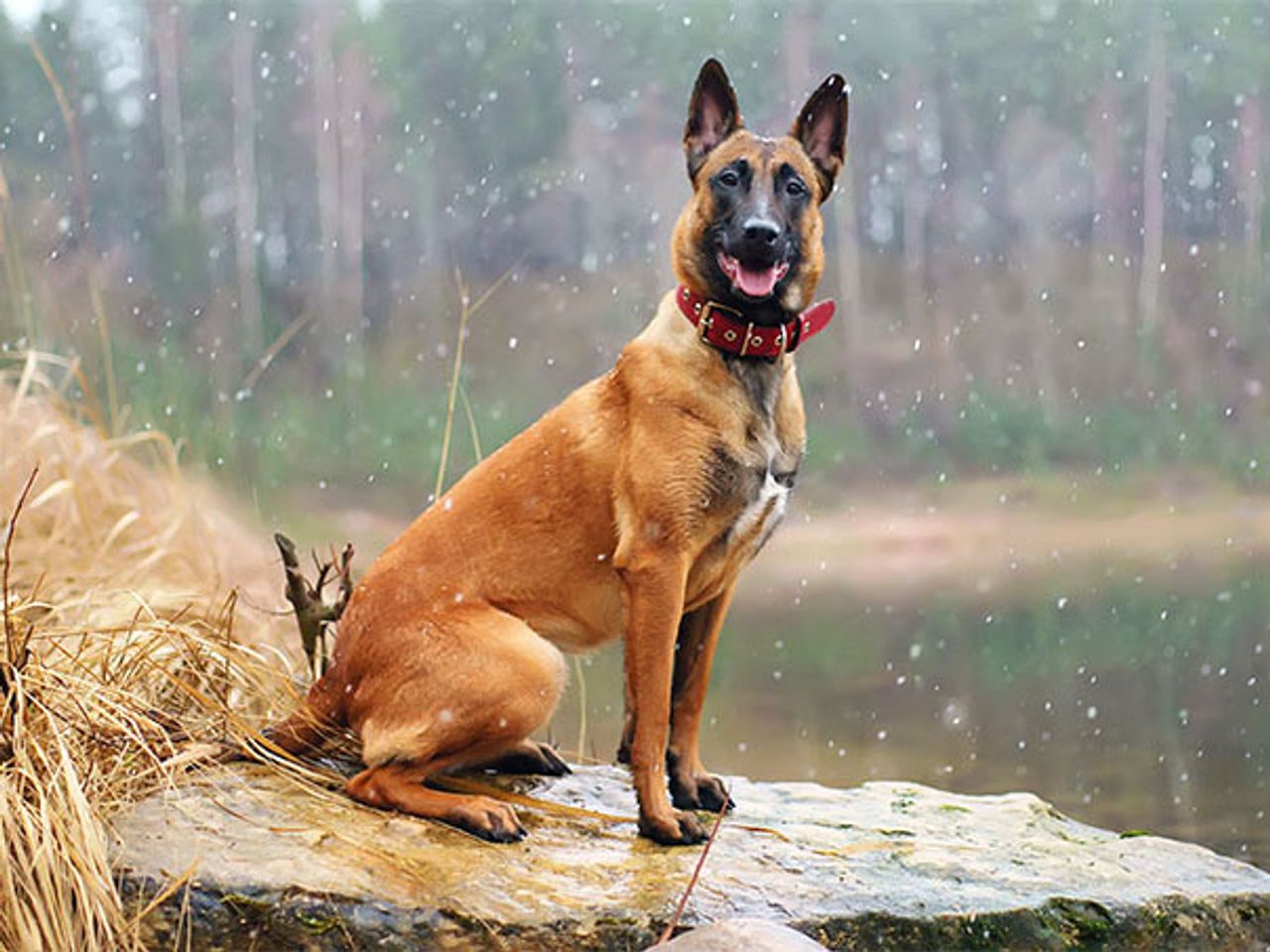
How Much Exercise Does a Belgian Malinois Need?
By PetEssentialist Team · Updated June 2026 · How we review
We independently research and pick every product. When you buy through our links we may earn a commission, at no extra cost to you. How this works.
The Belgian Malinois is a high-energy breed that requires at least 2 hours of intense physical and mental stimulation daily. Their short, weatherproof coat and athletic build make them well-suited for a variety of activities, from agility training to long-distance running. However, their extreme drive and high energy level mean they can quickly become destructive or restless if their needs are not met. As a large breed with a typical weight range of 40-80 pounds, the Belgian Malinois is prone to hip and elbow dysplasia, making it essential to balance exercise with joint-friendly activities. Their confident, smart, and hardworking temperament also means they thrive on structure and clear communication. With proper exercise and mental stimulation, the Belgian Malinois can become a loyal and dedicated companion. Owners of this breed must be prepared to commit to a rigorous exercise routine, including a mix of physical activity, mental enrichment, and socialization. By understanding the specific needs of the Belgian Malinois, owners can help prevent common health issues and ensure their dog leads a happy, healthy life.
What to look for
Daily Exercise Needs
The Belgian Malinois requires at least 2 hours of intense physical activity daily, including a mix of cardio, strength training, and high-intensity interval training. This can include activities such as running, agility training, and obedience exercises. Owners should aim to provide a variety of activities to keep their dog engaged and prevent boredom.
Mental Enrichment
In addition to physical exercise, the Belgian Malinois also requires mental stimulation to prevent boredom and stress. This can include activities such as puzzle toys, scent work, and obedience training. Owners should aim to provide at least 30 minutes of mental enrichment daily, either in the form of interactive toys or structured training sessions.
Socialization and Training
The Belgian Malinois is a highly social breed that thrives on interaction with their human family. Owners should prioritize socialization and training, including basic obedience commands, agility training, and exposure to new environments and people. This will help prevent anxiety and fear-based behaviors, while also strengthening the bond between dog and owner.
Signs of Too Little or Too Much Exercise
Owners should be aware of the signs of too little or too much exercise in their Belgian Malinois, including destructive behavior, restlessness, or fatigue. If a dog is not receiving enough exercise, they may become restless or destructive, while too much exercise can lead to injury or exhaustion. Owners should monitor their dog's behavior and adjust their exercise routine accordingly.
Age and Health Considerations
The exercise needs of the Belgian Malinois will vary depending on their age and health status. Puppies, for example, require more frequent, shorter exercise sessions to prevent injury, while older dogs may require more gentle, low-impact activities to manage joint health. Owners should consult with their veterinarian to determine the best exercise plan for their dog based on their individual needs and health status.
Frequently asked questions
How often should I exercise my Belgian Malinois?
The Belgian Malinois requires at least 2 hours of intense physical and mental stimulation daily, divided into several sessions. This can include a mix of cardio, strength training, and high-intensity interval training, as well as mental enrichment activities such as puzzle toys and obedience training.
What are the best exercises for a Belgian Malinois?
The best exercises for a Belgian Malinois include activities that challenge their physical and mental abilities, such as agility training, obedience exercises, and high-intensity interval training. Owners should also prioritize socialization and training, including exposure to new environments and people.
Can Belgian Malinois be left alone for long periods?
No, the Belgian Malinois is a highly social breed that requires regular interaction and stimulation. Leaving them alone for long periods can lead to boredom, stress, and destructive behavior. Owners should aim to provide regular exercise, mental enrichment, and socialization to prevent these issues.
How can I prevent hip and elbow dysplasia in my Belgian Malinois?
To prevent hip and elbow dysplasia in the Belgian Malinois, owners should prioritize joint-friendly activities, such as swimming, cycling, or gentle walking. They should also maintain a healthy weight, provide regular exercise and mental stimulation, and consult with their veterinarian to determine the best exercise plan for their dog based on their individual needs and health status.
What are the signs of exhaustion in a Belgian Malinois?
The signs of exhaustion in a Belgian Malinois can include panting, drooling, and a lack of enthusiasm for activities. Owners should monitor their dog's behavior and adjust their exercise routine accordingly, providing regular breaks and opportunities for rest and relaxation.
For owners of the Belgian Malinois, providing adequate exercise and mental stimulation is crucial to preventing health issues and ensuring a happy, healthy life. By prioritizing a mix of physical activity, mental enrichment, and socialization, owners can help their dog thrive and strengthen their bond with their loyal companion. With the right approach, the Belgian Malinois can become a dedicated and loving member of the family.
More for your Belgian Malinois
Other breed-matched picks worth a look.