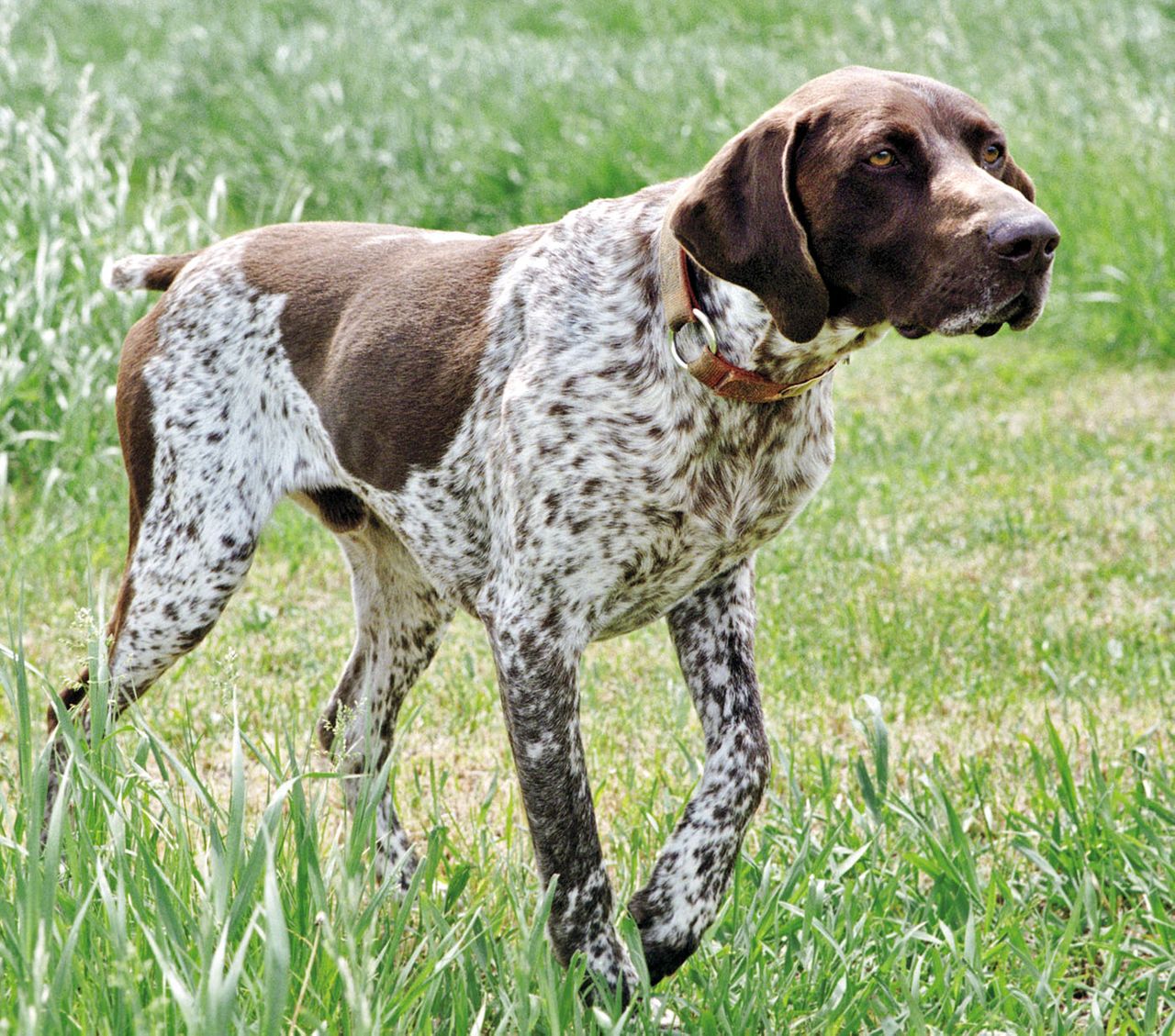
How Much Exercise Does a German Shorthaired Pointer Need?
By PetEssentialist Team · Updated June 2026 · How we review
We independently research and pick every product. When you buy through our links we may earn a commission, at no extra cost to you. How this works.
A German Shorthaired Pointer bursting with energy is a common sight for owners of this breed. On a typical morning, they can be seen bounding around the house, eager to unleash their pent-up energy. Their short coats and athletic builds are a testament to their breeding as hunting dogs, requiring regular and rigorous exercise to maintain their physical and mental well-being. As a large breed with a very high energy level, German Shorthaired Pointers need plenty of opportunities to run, play, and engage in mentally stimulating activities. Their intelligence, trainability, and friendly temperament make them a joy to be around, but they can quickly become restless and destructive if their exercise needs are not met. With a lifespan of 10-12 years, it's essential for owners to understand how to provide the right balance of physical and mental stimulation to keep their German Shorthaired Pointer happy and healthy. Owners who fail to provide adequate exercise may notice signs of frustration, such as excessive barking, chewing, or digging, while overexertion can lead to injuries, particularly in the joints, given the breed's propensity for hip dysplasia.
What to look for
Daily Exercise Duration
German Shorthaired Pointers require at least 1-2 hours of exercise per day, including a mix of high-intensity activities like running, hiking, or playing fetch, and lower-intensity activities like walking or gentle play. Puppies may need more frequent, shorter sessions to avoid putting too much strain on their developing joints.
Mental Enrichment
In addition to physical exercise, German Shorthaired Pointers need mental stimulation to prevent boredom and stress. Engage them in activities like obedience training, scent work, or interactive puzzle toys to challenge their intelligent minds and keep them engaged.
Avoiding Overexertion
While German Shorthaired Pointers are built for high-energy activities, it's crucial to avoid overexertion, particularly in hot weather or for puppies and older dogs. Monitor their behavior and adjust exercise intensity and duration accordingly, watching for signs of fatigue or distress.
Socialization and Training
Socialization and training are critical for German Shorthaired Pointers, helping to develop good behavior and prevent unwanted habits. Enroll in puppy socialization classes, and continue training throughout their lives to ensure they remain well-behaved and responsive to commands.
Gear and Equipment
Given their high energy level and large size, German Shorthaired Pointers require durable, high-quality gear and equipment, such as sturdy leashes, harnesses, and collars, as well as comfortable, supportive bedding and crates.
Frequently asked questions
How often should I take my German Shorthaired Pointer for a walk?
German Shorthaired Pointers need at least one long walk per day, ideally 30-60 minutes, in addition to other forms of exercise and play. Aim for a minimum of 2-3 walks per day, depending on your dog's individual needs and energy level.
Can German Shorthaired Pointers be left alone for extended periods?
While German Shorthaired Pointers can tolerate some alone time, they thrive on interaction and attention. Leaving them alone for extended periods can lead to boredom, stress, and destructive behavior. Aim to spend quality time with your dog, and consider hiring a dog walker or asking a friend to visit if you're away for long periods.
How can I prevent my German Shorthaired Pointer from getting injured during exercise?
To prevent injuries, ensure your German Shorthaired Pointer is properly warmed up before exercise, and avoid high-impact activities on hard surfaces, particularly for puppies and older dogs. Also, monitor their behavior and adjust exercise intensity and duration accordingly, watching for signs of fatigue or distress.
Can German Shorthaired Pointers adapt to apartment living?
While German Shorthaired Pointers can adapt to apartment living, they require regular, rigorous exercise to maintain their physical and mental well-being. If you live in an apartment, consider investing in a secure, enclosed area for exercise and play, and aim to spend at least 1-2 hours per day engaging your dog in physical and mental activities.
How can I tell if my German Shorthaired Pointer is getting too much exercise?
If your German Shorthaired Pointer is showing signs of fatigue, such as panting, limping, or lethargy, it may be a sign that they're getting too much exercise. Also, watch for changes in appetite, vomiting, or diarrhea, which can indicate overexertion. Adjust their exercise routine accordingly, and consult with a veterinarian if you're unsure.
Providing the right balance of physical and mental stimulation is crucial for the health and happiness of German Shorthaired Pointers. By understanding their specific needs and tailoring their exercise routine accordingly, owners can help prevent common health issues and ensure their dog leads a long, happy life. Prioritize high-quality, durable gear and equipment, and don't hesitate to seek professional guidance if you're unsure about your dog's exercise needs.
More for your German Shorthaired Pointer
Other breed-matched picks worth a look.