How Much Exercise Does a Havanese Need?
By PetEssentialist Team · Updated June 2026 · How we review
We independently research and pick every product. When you buy through our links we may earn a commission, at no extra cost to you. How this works.
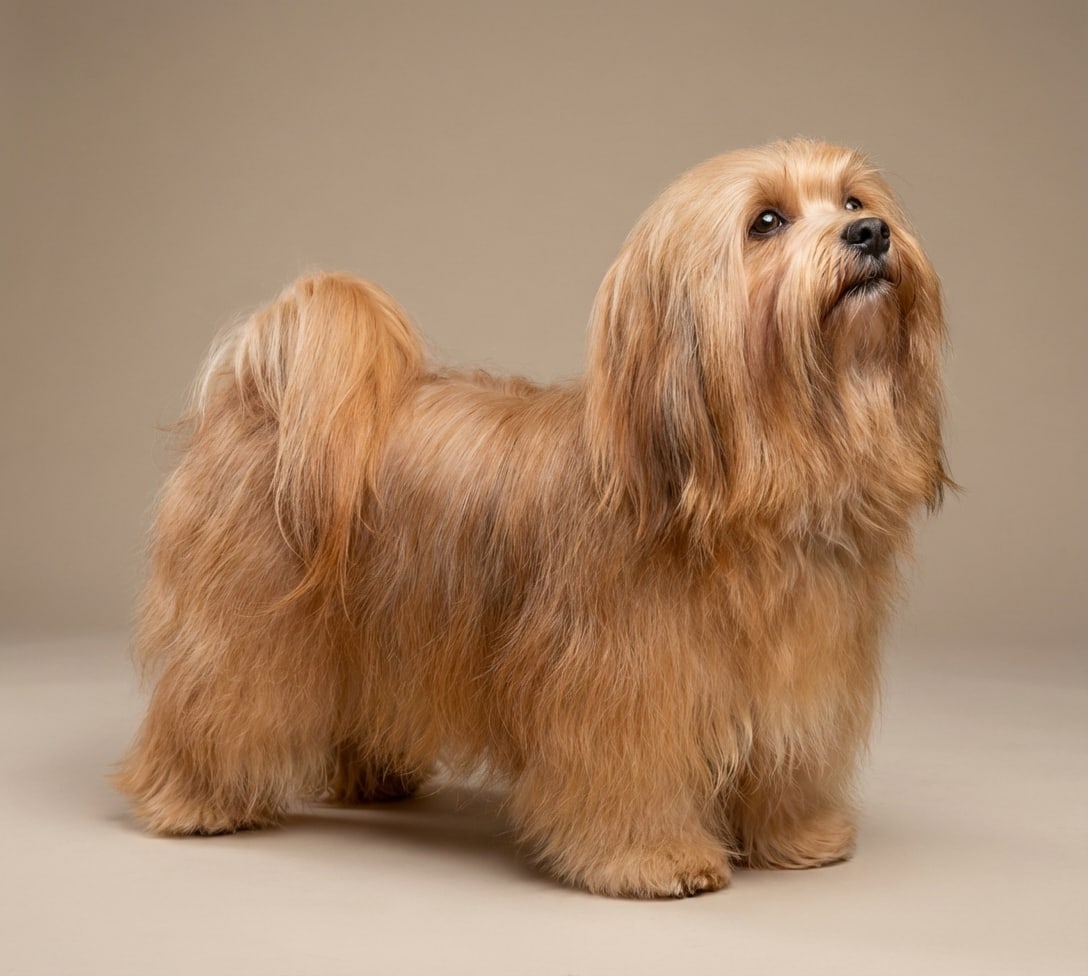
Despite their small size, Havanese dogs require regular exercise to prevent obesity and maintain their physical and mental health. One surprising fact about Havanese dogs is that they are prone to patellar luxation, a condition where the kneecap slips out of place, which can be exacerbated by excessive jumping or high-impact activities. As a result, Havanese owners need to find a balance between providing enough exercise to keep their dogs happy and healthy, while also avoiding activities that could put excessive strain on their joints. With their long, silky coats and gentle nature, Havanese dogs are well-suited to low-impact activities such as short walks and playtime in the yard. However, they still require regular mental stimulation and exercise to prevent boredom and stress. A daily routine that includes a combination of physical activity and mental enrichment can help keep Havanese dogs happy and healthy. Havanese dogs are intelligent and sociable, and they thrive on interaction with their human family members. As such, exercise routines that involve playtime and training can be an effective way to provide both physical and mental stimulation, while also strengthening the bond between dog and owner.
What to look for
Daily Walks
Havanese dogs require at least one short walk per day, ideally 10-15 minutes in duration. These walks should be gentle and leisurely, avoiding high-impact activities such as jumping or running. The goal is to provide a relaxing and enjoyable experience for the dog, while also helping to maintain their physical health.
Playtime and Training
In addition to daily walks, Havanese dogs benefit from regular playtime and training sessions. These can include activities such as fetch, hide-and-seek, and obedience training, which provide mental stimulation and help to strengthen the bond between dog and owner. Playtime and training sessions should be kept short, ideally 5-10 minutes in duration, to avoid overwhelming the dog.
Mental Enrichment
Havanese dogs are intelligent and curious, and they require regular mental enrichment to prevent boredom and stress. This can include activities such as puzzle toys, scent work, and interactive games, which provide a challenging and engaging experience for the dog. Mental enrichment activities should be rotated regularly to keep the dog interested and engaged.
Avoiding Overexertion
Havanese dogs are prone to patellar luxation and other joint problems, and they can be easily overexerted. Owners should avoid pushing their dogs too hard, and should provide regular breaks and rest periods to avoid fatigue. Signs of overexertion include panting, limping, and lethargy, and owners should seek veterinary advice if they notice any of these symptoms in their dog.
Monitoring Progress
Havanese owners should monitor their dog's progress and adjust their exercise routine accordingly. This can include tracking the dog's weight, energy levels, and overall health, and making adjustments to the exercise routine as needed. Owners should also seek veterinary advice if they have any concerns about their dog's health or wellbeing.
Frequently asked questions
How much exercise does a Havanese puppy need?
Havanese puppies require regular exercise to help them develop physically and mentally, but they should not be overexerted. Puppies under 6 months old should have limited exercise, ideally 5-10 minutes per day, and should avoid high-impact activities such as jumping or running.
Can Havanese dogs go for long walks?
While Havanese dogs enjoy walking, they are not suited to long distances due to their small size and joint problems. Owners should aim for short, gentle walks of 10-15 minutes in duration, and should avoid pushing their dogs too hard.
How often should I play with my Havanese dog?
Havanese dogs benefit from regular playtime, ideally 2-3 times per day. Play sessions should be short, ideally 5-10 minutes in duration, and should include a variety of activities such as fetch, hide-and-seek, and obedience training.
What are the signs of too little exercise in a Havanese dog?
Signs of too little exercise in a Havanese dog include obesity, lethargy, and boredom. Owners may also notice that their dog is more prone to destructive behaviors, such as chewing or digging, due to lack of physical and mental stimulation.
Can Havanese dogs be trained to exercise alone?
While Havanese dogs can be trained to exercise alone, they are social animals that thrive on interaction with their human family members. Owners should aim to spend time with their dogs during exercise, and should provide regular training and playtime to help strengthen their bond.
To keep a Havanese dog happy and healthy, owners should prioritize a balanced exercise routine that includes daily walks, playtime, and mental enrichment. By providing regular physical and mental stimulation, owners can help prevent obesity, boredom, and stress in their dogs, while also strengthening their bond and promoting overall wellbeing. Owners should always consult with a veterinarian before starting any new exercise routine, especially if their dog has any underlying health conditions.
More for your Havanese
Other breed-matched picks worth a look.