How Much Exercise Does a Japanese Bobtail Need?
By PetEssentialist Team · Updated July 2026 · How we review
We independently research and pick every product. When you buy through our links we may earn a commission, at no extra cost to you. How this works.
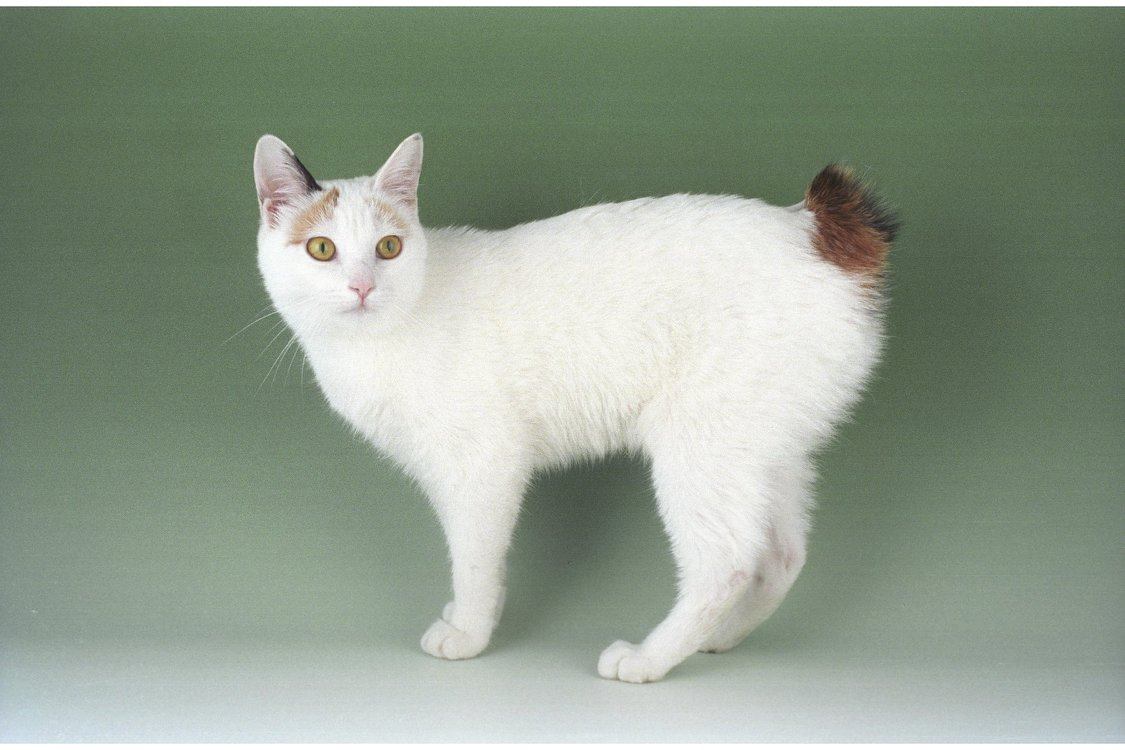
Japanese Bobtails are known for their high energy levels, requiring regular exercise to prevent boredom and stress. Their active and intelligent nature means they need stimulation to keep them engaged and entertained. As a generally hardy breed with a lifespan of 12-16 years, providing adequate exercise is crucial to prevent common health issues such as dental disease and urinary problems. The Japanese Bobtail's short or long silky coat requires minimal grooming, but their vocal and social temperament demands attention and interaction from their owners. With their pom-pom tail and lucky-cat heritage, it's no wonder they're often described as chatty and social, thriving on human interaction and play. To keep a Japanese Bobtail happy and healthy, owners must prioritize their exercise needs, taking into account their size, energy level, and temperament. This guide will provide a step-by-step approach to determining the right amount of exercise for a Japanese Bobtail, including activity ideas, duration, and signs of too little or too much exercise.
What to look for
Assessing Energy Levels
Japanese Bobtails have high energy levels, requiring at least 30 minutes of exercise per day. This can be split into shorter play sessions, taking into account their attention span and individual energy levels. Owners should observe their cat's behavior, adjusting exercise duration and intensity accordingly. For example, if a Japanese Bobtail seems restless or playful, it may be a sign they need more exercise.
Activity Ideas
Playtime for Japanese Bobtails can include interactive toys, feather wands, and food puzzle toys. They also enjoy climbing and scratching, so providing cat trees and scratching posts is essential. Owners can also try playing hide-and-seek or chasing games to keep their cat entertained and active.
Mental Enrichment
In addition to physical exercise, Japanese Bobtails require mental stimulation to prevent boredom and stress. This can be achieved through sensory play, such as offering different textures, smells, and tastes. Owners can also rotate toys regularly to keep their cat engaged and interested.
Signs of Too Little or Too Much Exercise
Japanese Bobtails that don't receive enough exercise may become restless, destructive, or obese. On the other hand, overexertion can lead to fatigue, injury, or stress. Owners should monitor their cat's behavior, watching for signs of exhaustion or boredom, and adjust their exercise routine accordingly.
Creating a Routine
Establishing a regular exercise routine is crucial for Japanese Bobtails, providing a sense of security and stability. Owners should aim to create a daily schedule that includes a mix of playtime, mental enrichment, and relaxation, taking into account their cat's individual needs and energy levels.
Frequently asked questions
How often should I play with my Japanese Bobtail?
Japanese Bobtails require at least 30 minutes of playtime per day, split into shorter sessions to accommodate their attention span and energy levels.
What are the best toys for Japanese Bobtails?
Interactive toys, feather wands, and food puzzle toys are ideal for Japanese Bobtails, as they provide mental stimulation and physical exercise.
Can Japanese Bobtails be trained to walk on a leash?
Yes, Japanese Bobtails can be trained to walk on a leash, but it requires patience, consistency, and positive reinforcement. Start with short sessions and gradually increase duration and distance.
How much exercise does a Japanese Bobtail need as it ages?
As Japanese Bobtails age, their exercise needs may decrease. However, they still require regular playtime and mental stimulation to maintain their physical and mental health.
What are the signs of overexertion in Japanese Bobtails?
Signs of overexertion in Japanese Bobtails include fatigue, injury, or stress. If you notice any of these signs, it's essential to adjust your cat's exercise routine and provide more rest and relaxation time.
To keep a Japanese Bobtail happy and healthy, owners must prioritize their exercise needs, providing a mix of physical activity, mental stimulation, and relaxation. By establishing a regular routine and monitoring their cat's behavior, owners can help prevent common health issues and ensure their Japanese Bobtail leads a long, happy life. Consult our product picks for recommendations on toys, scratching posts, and other essential items to support your Japanese Bobtail's exercise and enrichment needs.
More for your Japanese Bobtail
Other breed-matched picks worth a look.