How Much Exercise Does a Tonkinese Need?
By PetEssentialist Team · Updated July 2026 · How we review
We independently research and pick every product. When you buy through our links we may earn a commission, at no extra cost to you. How this works.
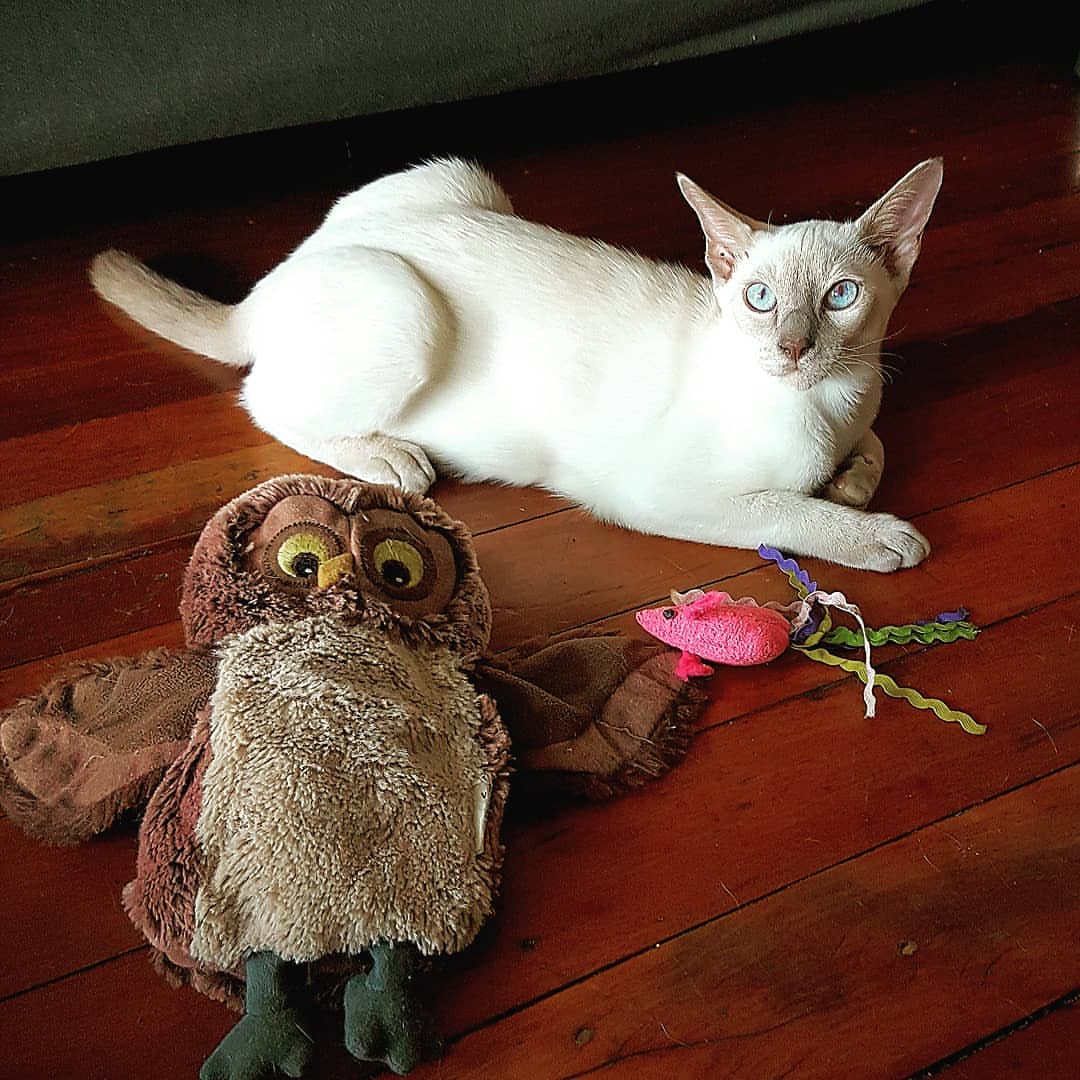
A Tonkinese cat's high energy level often leaves owners wondering how to keep up with their playful and social nature. On a typical evening, a Tonkinese might be found racing around the house, leaping over furniture, and pouncing on toys with glee. Their sleek, short satin coat requires minimal grooming, but their affectionate and vocal temperament demands attention and interaction from their owners. As a breed that thrives on human connection, Tonkinese cats need a balance of physical exercise and mental stimulation to prevent boredom, stress, and related health issues like obesity and asthma. With their people-loving personality, they excel at interactive play and enjoy learning tricks and commands. To ensure a Tonkinese cat leads a happy and healthy life, it's essential to understand their specific exercise and enrichment needs, taking into account their size, energy level, and common health issues.
What to look for
Daily Playtime
Tonkinese cats require at least 30 minutes of playtime daily, divided into shorter sessions to accommodate their high energy bursts. Engage them in interactive toys, feather wands, or laser pointers to stimulate their natural hunting instincts. Be sure to rotate toys regularly to prevent boredom and keep playtime exciting.
Mental Stimulation
In addition to physical exercise, Tonkinese cats need mental stimulation to prevent cognitive decline and stress. Provide puzzle toys filled with treats, scratching posts, and climbing structures to challenge their problem-solving skills and keep them entertained.
Exercise Duration
The ideal exercise duration for a Tonkinese cat is 15-20 minutes per session, with regular breaks to avoid exhaustion. Monitor their energy levels and adjust playtime accordingly, as overexertion can lead to health issues like asthma attacks.
Signs of Too Little Exercise
If a Tonkinese cat is not receiving enough exercise, they may exhibit signs of boredom, such as excessive meowing, destructive behavior, or weight gain. Look out for these indicators and adjust their exercise routine to prevent related health issues.
Signs of Too Much Exercise
Conversely, overexertion can lead to fatigue, panting, or even asthma attacks in Tonkinese cats. Be attentive to their energy levels and stop playtime if they show signs of exhaustion, such as slowing down or losing interest in play.
Frequently asked questions
How often should I take my Tonkinese cat for a walk?
While Tonkinese cats are not typically suited for outdoor walks, they can benefit from short, supervised strolls in a securely enclosed area, such as a cat-proofed garden or a screened-in porch. However, this should not replace their daily indoor playtime and exercise.
Can I leave my Tonkinese cat alone for extended periods?
Due to their social and affectionate nature, Tonkinese cats prefer human interaction and can become stressed or bored if left alone for too long. If you have a busy schedule, consider hiring a pet sitter or asking a trusted friend to visit your cat during the day.
How can I encourage my Tonkinese cat to exercise more?
To encourage your Tonkinese cat to exercise more, try using a variety of toys and rotation them regularly, engaging in playtime at their preferred times, and creating a cat agility course using household items.
What are the health risks associated with insufficient exercise in Tonkinese cats?
Insufficient exercise in Tonkinese cats can lead to a range of health issues, including obesity, asthma, and dental disease. Regular exercise and mental stimulation can help prevent these conditions and ensure a happy, healthy life for your cat.
Can I exercise my Tonkinese cat at night?
While Tonkinese cats are naturally more active at night, it's essential to balance their exercise routine with their sleep needs. Avoid vigorous playtime in the hours leading up to bedtime, and opt for more gentle, relaxing activities to promote a good night's sleep.
To keep your Tonkinese cat happy and healthy, prioritize their daily exercise and mental enrichment needs, taking into account their high energy level, social nature, and common health issues. By providing a balanced routine of playtime, mental stimulation, and attention, you can help your Tonkinese cat thrive and enjoy a long, healthy life. Remember to monitor their energy levels and adjust their exercise routine accordingly to prevent overexertion and related health issues.
More for your Tonkinese
Other breed-matched picks worth a look.