How Much to Feed a Basset Hound
By PetEssentialist Team · Updated June 2026 · How we review
We independently research and pick every product. When you buy through our links we may earn a commission, at no extra cost to you. How this works.
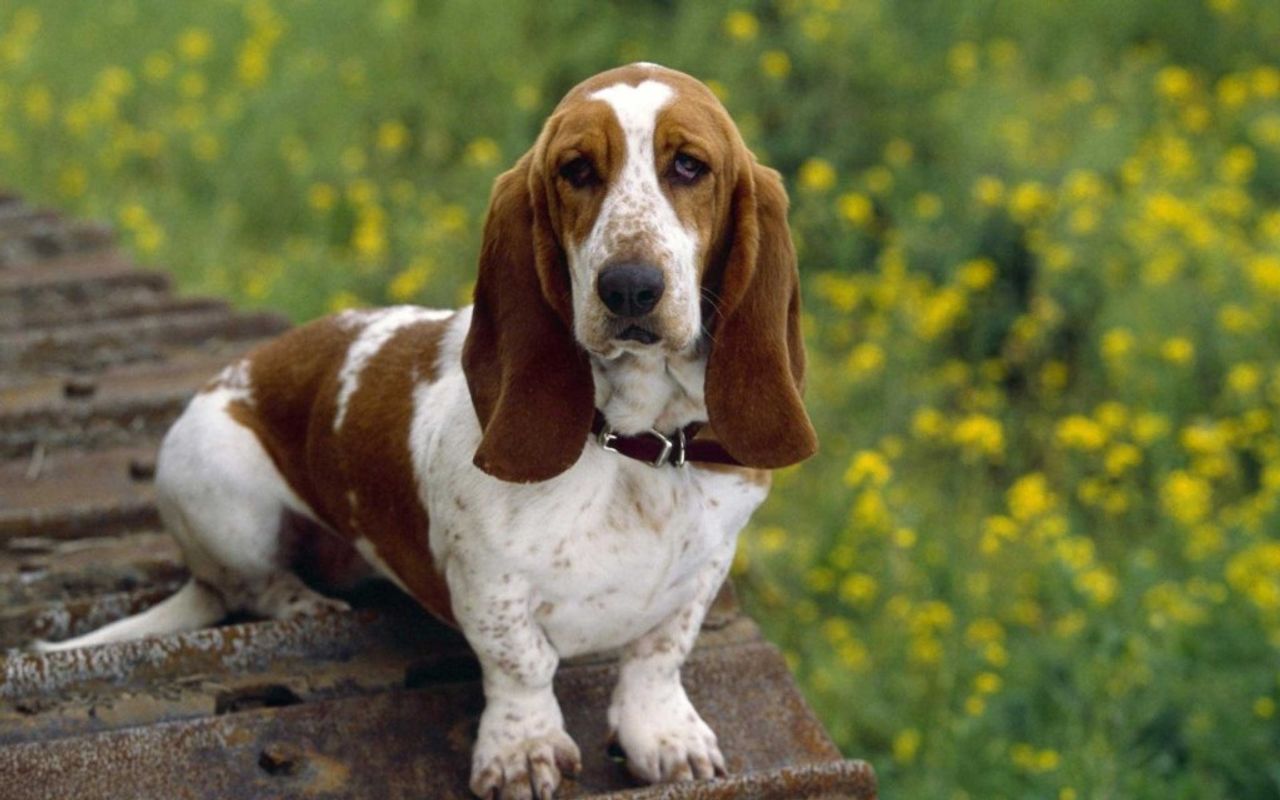
Basset Hounds are prone to obesity and back problems, making a well-structured feeding plan crucial for their health. Their short, single coat and moderate shedding require a balanced diet that supports skin and coat health. Given their low energy level, Basset Hounds need a feeding schedule that prevents overeating and weight gain, while also addressing potential ear infections and eye conditions that can affect their overall well-being. A Basset Hound's medium size and long-backed, short-legged build mean they require a diet that supports joint health and prevents excessive weight gain. Their charming, patient, and low-key temperament can make them prone to overeating if not monitored, emphasizing the importance of a controlled feeding schedule. By understanding the specific needs of the Basset Hound breed, owners can develop a tailored feeding plan that promotes optimal health and weight management. Developing a feeding plan for a Basset Hound involves considering their age, weight, and activity level to determine the ideal portion sizes and meal frequency. This guide will walk owners through the steps to create a personalized feeding plan, helping to prevent common health issues and ensure their Basset Hound leads a happy, healthy life.
What to look for
Determine Ideal Weight
The first step in creating a feeding plan for a Basset Hound is to determine their ideal weight, taking into account their age, size, and body condition. For Basset Hounds, an ideal weight range is between 40-65 lbs. Owners should consult with their veterinarian to determine the optimal weight for their dog. A weight management plan can then be developed to achieve and maintain this ideal weight.
Calculate Daily Caloric Needs
Basset Hounds require a specific daily caloric intake to maintain their weight and support overall health. Their caloric needs are influenced by factors such as age, weight, and activity level. For example, a relatively inactive Basset Hound may require fewer calories than a more active one. Consulting with a veterinarian can help determine the precise caloric needs of an individual Basset Hound.
Choose the Right Food
Selecting the right food for a Basset Hound involves considering their life stage, activity level, and any health conditions they may have. Given their propensity for obesity and back problems, a nutrient-rich, balanced diet that supports joint health and weight management is essential. The food should also be formulated to address potential ear infections and eye conditions, ensuring the overall health and well-being of the Basset Hound.
Establish a Feeding Schedule
Basset Hounds benefit from a consistent feeding schedule that prevents overeating and supports weight management. The frequency and portion sizes of meals should be tailored to the individual dog's needs, taking into account their age, weight, and activity level. For instance, puppies may require more frequent, smaller meals, while adult Basset Hounds may thrive on twice-daily feedings.
Monitor and Adjust
Regular monitoring of a Basset Hound's weight, body condition, and overall health is crucial for adjusting their feeding plan as needed. Owners should work closely with their veterinarian to make adjustments to portion sizes, meal frequency, or food type to ensure the Basset Hound maintains a healthy weight and prevents common health issues.
Frequently asked questions
How often should I feed my Basset Hound?
The frequency of feeding a Basset Hound depends on their age, weight, and activity level. Puppies may require 3-4 meals per day, while adult Basset Hounds can thrive on twice-daily feedings. It's essential to consult with a veterinarian to determine the best feeding schedule for an individual Basset Hound.
What is the ideal weight range for a Basset Hound?
The ideal weight range for a Basset Hound is between 40-65 lbs, depending on their size and body condition. Maintaining a healthy weight is crucial for preventing obesity and related health issues in Basset Hounds.
Can Basset Hounds eat the same food as other breeds?
While some dog foods may be suitable for multiple breeds, Basset Hounds have specific nutritional needs due to their propensity for obesity, back problems, and other health issues. It's recommended to choose a food formulated specifically for Basset Hounds or medium-sized breeds with similar health considerations.
How can I prevent my Basset Hound from becoming overweight?
Preventing overweight in Basset Hounds involves a combination of a balanced diet, controlled feeding schedule, and regular exercise. Monitoring food intake and limiting treats, along with encouraging gentle, regular physical activity, can help maintain a healthy weight and reduce the risk of obesity-related health issues.
What role does exercise play in a Basset Hound's feeding plan?
While Basset Hounds are not high-energy dogs, regular, gentle exercise is essential for maintaining their overall health and weight management. Exercise can help burn calories, support joint health, and prevent obesity, making it a crucial component of a comprehensive feeding plan.
For Basset Hound owners, prioritizing a well-structured feeding plan is key to preventing common health issues and ensuring their dog leads a happy, healthy life. By determining the ideal weight, calculating daily caloric needs, choosing the right food, establishing a feeding schedule, and monitoring progress, owners can tailor a feeding plan that meets their Basset Hound's unique needs. Consultation with a veterinarian is essential for creating a personalized plan that supports the long-term health and well-being of the Basset Hound.
More for your Basset Hound
Other breed-matched picks worth a look.