How Much to Feed a Belgian Malinois
By PetEssentialist Team · Updated June 2026 · How we review
We independently research and pick every product. When you buy through our links we may earn a commission, at no extra cost to you. How this works.
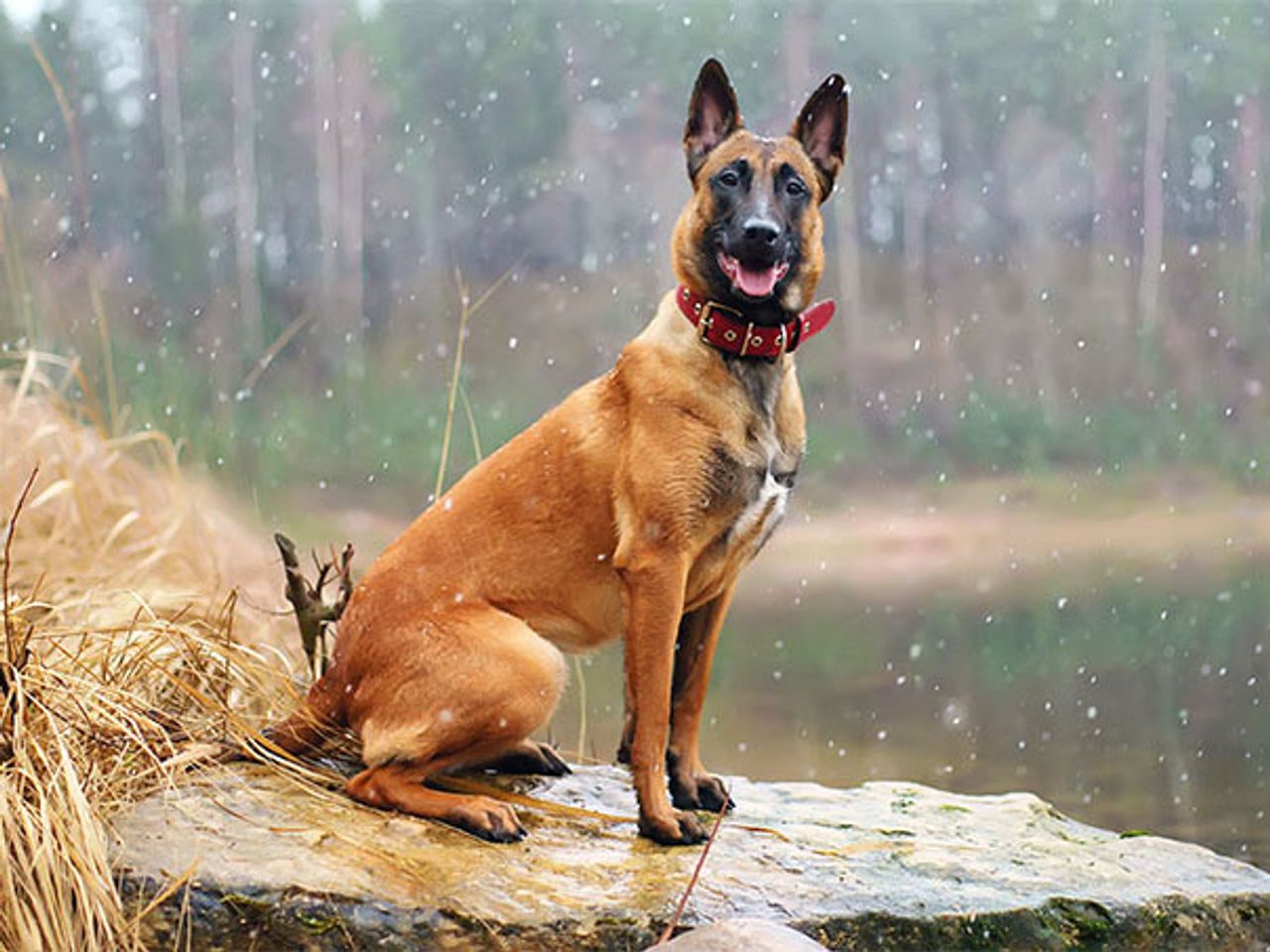
Belgian Malinois owners need to provide their dogs with a diet that matches their high energy levels and intense work ethic. Aiming for 2-3% of the dog's body weight in food per day is a good starting point, but this can vary depending on age, weight, and activity level. For example, a 60-pound Belgian Malinois that works as a police dog may require more food than a 40-pound companion dog. The breed's short, weatherproof coat requires minimal grooming, but their intense drive and high energy levels demand a balanced diet that includes plenty of protein and complex carbohydrates. Owners should focus on providing a nutrient-rich diet that supports the dog's overall health and well-being, rather than just filling their bowl with any old food. By understanding the specific dietary needs of the Belgian Malinois, owners can help their dogs thrive and reach their full potential. Whether working as a police dog, competing in agility trials, or simply enjoying life as a beloved companion, a well-fed Belgian Malinois is a happy and healthy one.
What to look for
Puppy Feeding
Belgian Malinois puppies require more frequent meals than adult dogs, with 3-4 meals per day until they are about six months old. As they grow and develop, owners can gradually switch to twice-a-day feeding. It's essential to choose a high-quality puppy food that meets the breed's specific nutritional needs.
Adult Feeding
Adult Belgian Malinois require a balanced diet that includes plenty of protein and complex carbohydrates. Owners should aim to feed their dogs 2-3% of their body weight in food per day, divided into two meals. For example, a 60-pound dog would require about 1.2-1.8 pounds of food per day.
Activity Level
The Belgian Malinois is a high-energy breed that requires plenty of exercise and mental stimulation. Owners should adjust their dog's food intake based on their activity level, with more active dogs requiring more food. For example, a police dog that works long hours may require more food than a companion dog that gets moderate exercise.
Monitoring Weight
It's essential to monitor the Belgian Malinois's weight and adjust their food intake accordingly. Owners should aim for a lean, athletic build, with a visible waist and well-defined muscles. If the dog becomes too heavy or too thin, owners should adjust their food intake and exercise level to get them back on track.
Common Health Issues
The Belgian Malinois is prone to certain health issues, such as hip dysplasia and elbow dysplasia. Owners should choose a food that is formulated to support joint health and reduce the risk of these conditions. Additionally, regular veterinary check-ups can help identify any potential health issues early on.
Frequently asked questions
How much should I feed my Belgian Malinois puppy?
Belgian Malinois puppies require 3-4 meals per day until they are about six months old. As they grow and develop, owners can gradually switch to twice-a-day feeding. It's essential to choose a high-quality puppy food that meets the breed's specific nutritional needs.
What is the ideal weight for a Belgian Malinois?
The ideal weight for a Belgian Malinois depends on their age, sex, and activity level. Generally, males weigh between 60-80 pounds, while females weigh between 40-60 pounds. Owners should aim for a lean, athletic build, with a visible waist and well-defined muscles.
Can I feed my Belgian Malinois a raw diet?
While some owners choose to feed their Belgian Malinois a raw diet, it's essential to consult with a veterinarian before making any changes to their dog's diet. A balanced, nutrient-rich commercial dog food may be a safer and more reliable option.
How often should I feed my Belgian Malinois?
Adult Belgian Malinois require two meals per day, while puppies require 3-4 meals per day until they are about six months old. Owners should adjust their dog's feeding schedule based on their age, activity level, and individual needs.
What are the most common nutritional deficiencies in Belgian Malinois?
The Belgian Malinois is prone to certain nutritional deficiencies, such as vitamin D and calcium deficiencies. Owners should choose a high-quality dog food that is formulated to meet the breed's specific nutritional needs and consult with a veterinarian if they have any concerns about their dog's diet.
To keep their Belgian Malinois healthy and thriving, owners should focus on providing a balanced, nutrient-rich diet that meets the breed's specific needs. By understanding the importance of portion sizes, meal frequency, and adjusting to their dog's individual needs, owners can help their Belgian Malinois reach their full potential. Regular veterinary check-ups and monitoring their dog's weight and health can also help identify any potential issues early on.
More for your Belgian Malinois
Other breed-matched picks worth a look.