How Much to Feed a Boxer
By PetEssentialist Team · Updated June 2026 · How we review
We independently research and pick every product. When you buy through our links we may earn a commission, at no extra cost to you. How this works.
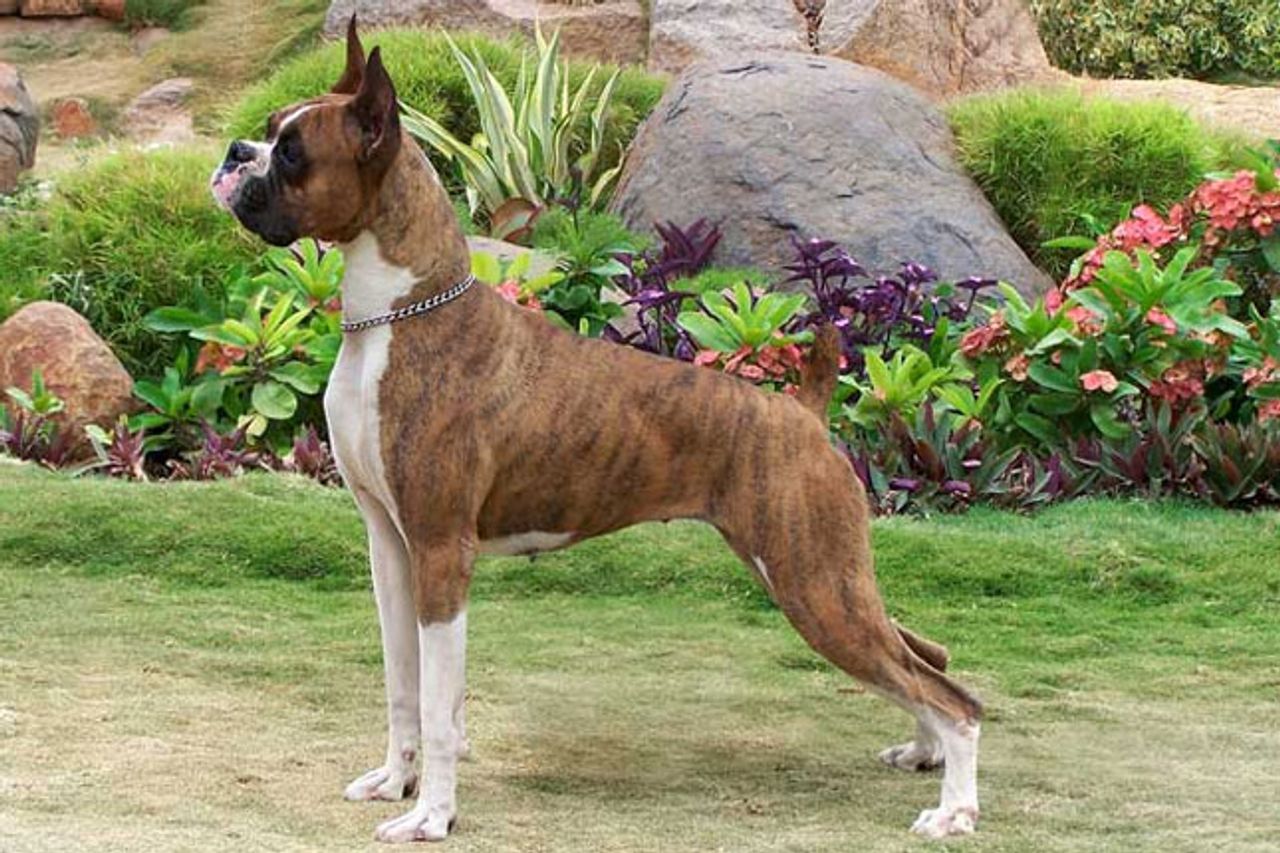
A Boxer's athletic build and high energy level require a tailored feeding approach. Their short, single coat and moderate shedding mean they don't need excessive calories to maintain their coat, but their large size and deep chest make them prone to bloat and other health issues. As a result, finding the right balance of nutrients and portion sizes is crucial to support their overall health and well-being. Boxers are also known for their sensitive stomachs, which can make feeding a challenge. They require a diet that is easy to digest and rich in nutrients to support their energetic lifestyle. By understanding the unique needs of the Boxer breed, owners can make informed decisions about their dog's diet and ensure they are providing the best possible nutrition. With their playful and energetic temperament, Boxers need a diet that can keep up with their active lifestyle. A well-fed Boxer is a happy and healthy one, and with the right guidance, owners can help their dog thrive.
What to look for
Determine Your Boxer's Ideal Weight
To determine how much to feed your Boxer, you need to know their ideal weight. Boxers typically weigh between 50-80 pounds, and their ideal weight will depend on their age, size, and activity level. Consult with your veterinarian to determine your Boxer's ideal weight and create a feeding plan to achieve and maintain it. This will help prevent obesity and related health issues.
Choose the Right Food
Boxers require a high-protein diet that is rich in nutrients and easy to digest. Look for a food that is specifically formulated for large breed dogs and contains ingredients such as chicken, fish, or lamb. Avoid fillers and by-products, and opt for a food that is rich in fiber and antioxidants to support your Boxer's overall health.
Feed the Right Amount
The amount you feed your Boxer will depend on their age, weight, and activity level. Puppies require more frequent meals and a higher caloric intake than adult dogs, while older dogs may require fewer calories to maintain their weight. Be sure to follow the feeding guidelines on your dog food label and adjust as needed to ensure your Boxer is at a healthy weight.
Monitor and Adjust
As your Boxer grows and changes, their dietary needs will also change. Monitor their weight, body condition, and overall health, and adjust their feeding plan as needed. This may involve increasing or decreasing the amount of food, switching to a different formula, or adding supplements to support their health.
Avoid Overfeeding
Overfeeding is a common mistake that can lead to obesity and related health issues in Boxers. Be sure to measure your dog's food accurately and avoid giving them table scraps or treats that are high in calories. Also, avoid feeding your Boxer before or after exercise, as this can increase their risk of bloat.
Frequently asked questions
How often should I feed my Boxer?
The frequency of meals will depend on your Boxer's age and activity level. Puppies typically require 3-4 meals per day, while adult dogs can thrive on 2 meals per day. However, if your Boxer is highly active, they may require more frequent meals to maintain their energy levels.
What are the best foods for Boxers with sensitive stomachs?
If your Boxer has a sensitive stomach, look for a food that is easy to digest and contains ingredients such as pumpkin, sweet potatoes, or oats. You can also consider a limited ingredient diet or a novel protein source such as venison or duck.
Can I feed my Boxer a raw diet?
While some owners swear by raw diets, they can be risky for Boxers due to the potential for bacterial contamination and nutritional imbalances. If you're considering a raw diet, be sure to consult with your veterinarian and choose a reputable brand that follows safe handling and preparation guidelines.
How can I prevent bloat in my Boxer?
To prevent bloat in your Boxer, feed them smaller, more frequent meals, and avoid exercising them before or after meals. You can also consider adding a probiotic supplement to their diet to support their digestive health.
What are the signs of obesity in Boxers?
Signs of obesity in Boxers include a visible belly, lethargy, and difficulty breathing. If you notice any of these signs in your Boxer, consult with your veterinarian to develop a weight loss plan. They can help you determine the best course of action and provide guidance on creating a healthy and balanced diet for your dog.
Feeding a Boxer requires a thoughtful and tailored approach that takes into account their unique needs and characteristics. By understanding their ideal weight, choosing the right food, and feeding the right amount, you can help your Boxer thrive and maintain optimal health. Remember to monitor and adjust their feeding plan as needed, and avoid overfeeding to prevent obesity and related health issues.
More for your Boxer
Other breed-matched picks worth a look.