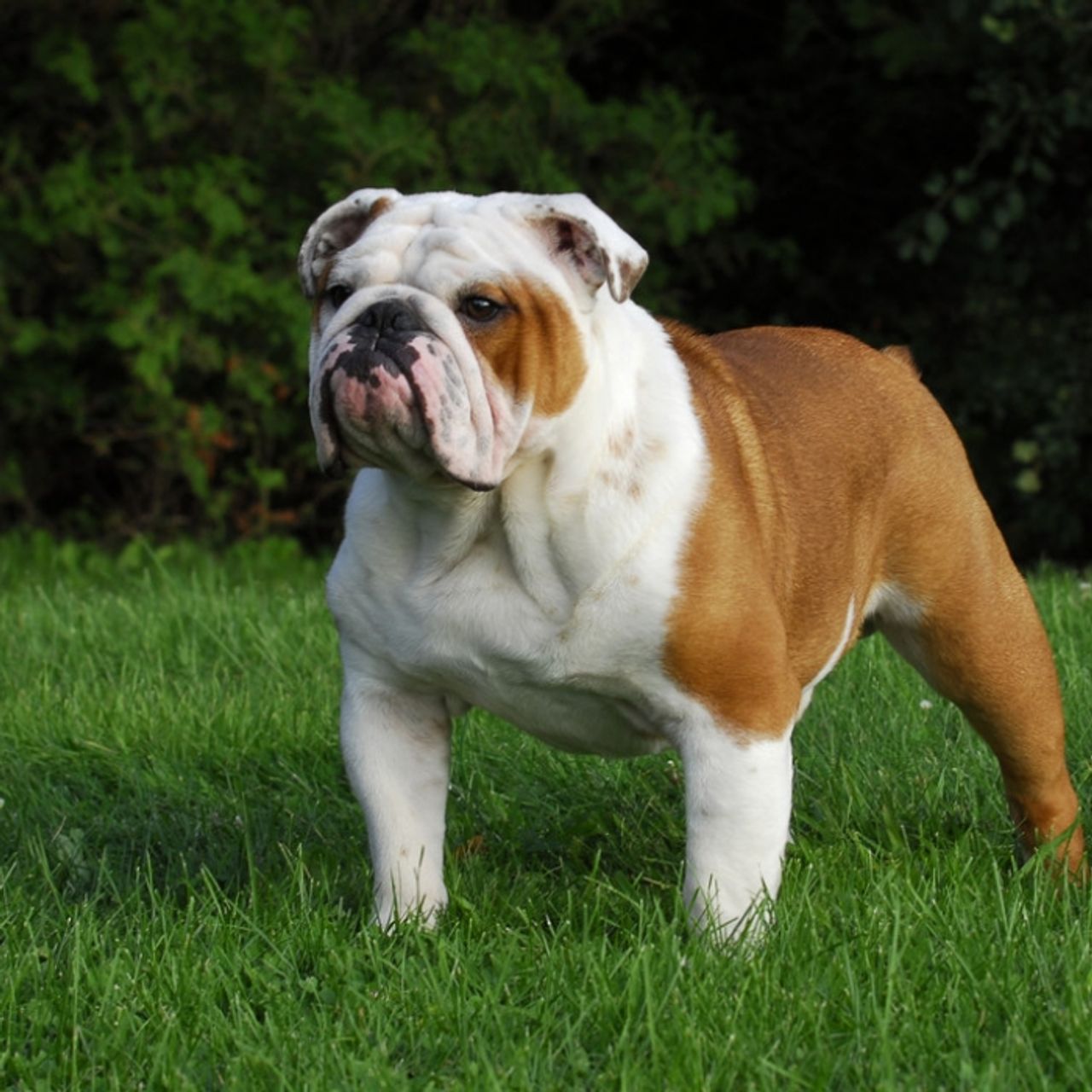
How Much to Feed a Bulldog
By PetEssentialist Team · Updated June 2026 · How we review
We independently research and pick every product. When you buy through our links we may earn a commission, at no extra cost to you. How this works.
On a sweltering summer day, a Bulldog's low stamina and brachycephalic airway can make every walk a high-risk affair, especially if they're overweight. Owners of this beloved breed must navigate the delicate balance between providing enough nutrients for their medium-sized frames and avoiding the pitfalls of overfeeding, which can exacerbate skin fold dermatitis and hip dysplasia. With their calm and docile nature, Bulldogs can be prone to overindulgence, making a well-planned feeding schedule crucial for maintaining a healthy weight. A Bulldog's short, single coat and moderate shedding mean they require a balanced diet that supports skin health, while their low energy level demands a feeding plan that avoids excessive calories. By understanding the specific needs of this unique breed, owners can create a tailored feeding plan that prioritizes their Bulldog's overall well-being. As the owner of a Bulldog, it's essential to recognize the signs of overheating and skin-fold infections, and adjust their feeding plan accordingly. From puppyhood to adulthood, a Bulldog's dietary needs will evolve, and their owner must be prepared to make adjustments to ensure they're providing the right amount of food for their dog's age, weight, and activity level. By doing so, they can help prevent common health issues and create a happy, healthy life for their Bulldog.
What to look for
Determine Your Bulldog's Ideal Weight
To establish a suitable feeding plan, it's crucial to determine your Bulldog's ideal weight, taking into account their age, size, and body condition. A healthy weight range for Bulldogs is typically between 40-50 pounds, and owners should aim to maintain their dog within this range to minimize the risk of health problems. Regular weight checks and body condition assessments will help owners identify any necessary adjustments to their Bulldog's feeding plan.
Choose the Right Food
Selecting a high-quality dog food that meets your Bulldog's nutritional needs is vital. Look for a food that's rich in protein, moderate in fat, and balanced with complex carbohydrates. Additionally, consider a food that's formulated to support skin health and joint mobility, given the breed's predisposition to skin fold dermatitis and hip dysplasia.
Portion Control and Meal Frequency
Bulldogs are prone to overeating, so it's essential to establish a feeding schedule that includes measured portions and a suitable meal frequency. Puppies may require 3-4 meals per day, while adult Bulldogs can thrive on 2 meals per day. Be sure to divide your Bulldog's daily ration into the appropriate number of meals to prevent overeating and maintain a healthy weight.
Adjust for Age, Weight, and Activity Level
As your Bulldog grows and matures, their feeding plan will need to be adjusted to reflect their changing nutritional needs. Puppies require more calories and nutrients than adult dogs, while older Bulldogs may need fewer calories to maintain a healthy weight. Additionally, Bulldogs with higher activity levels may require more food to support their energy needs, while those with lower activity levels may require less.
Monitor and Adjust
Regularly monitoring your Bulldog's weight, body condition, and overall health will help you identify any necessary adjustments to their feeding plan. Keep an eye out for signs of overfeeding or underfeeding, such as weight gain or loss, and adjust their food intake accordingly. Consult with your veterinarian if you're unsure about any aspect of your Bulldog's feeding plan.
Frequently asked questions
How often should I feed my Bulldog puppy?
Bulldog puppies typically require 3-4 meals per day until they're about six months old. After that, you can gradually transition them to 2 meals per day. Be sure to consult with your veterinarian for personalized feeding recommendations.
What are the best foods for Bulldogs with skin fold dermatitis?
For Bulldogs with skin fold dermatitis, it's essential to choose a food that's rich in omega-3 fatty acids, vitamin E, and other nutrients that support skin health. Look for a food that's specifically formulated to address skin issues, and consult with your veterinarian for recommendations.
Can I free-feed my Bulldog?
No, it's not recommended to free-feed your Bulldog, as this can lead to overeating and weight gain. Instead, establish a regular feeding schedule with measured portions to help maintain a healthy weight and prevent overfeeding.
How can I tell if my Bulldog is overweight?
To determine if your Bulldog is overweight, check their body condition by feeling their ribs, spine, and hips. If you can't feel these bones easily, your Bulldog may be overweight. Additionally, look for signs such as panting, lethargy, and difficulty breathing. Consult with your veterinarian if you're unsure about your Bulldog's weight.
What are the consequences of overfeeding my Bulldog?
Overfeeding your Bulldog can lead to a range of health problems, including obesity, skin fold dermatitis, hip dysplasia, and brachycephalic airway syndrome. It can also reduce their lifespan and quality of life. To avoid these consequences, it's essential to establish a well-planned feeding schedule and monitor your Bulldog's weight and overall health regularly.
By understanding the unique needs of the Bulldog breed and following a tailored feeding plan, owners can help their dogs maintain a healthy weight, prevent common health issues, and thrive. Prioritize your Bulldog's nutritional needs, monitor their weight and overall health, and consult with your veterinarian regularly to ensure you're providing the best possible care for your beloved pet. With patience, dedication, and the right feeding plan, you can help your Bulldog live a happy, healthy life.
More for your Bulldog
Other breed-matched picks worth a look.