How Much to Feed a Collie
By PetEssentialist Team · Updated June 2026 · How we review
We independently research and pick every product. When you buy through our links we may earn a commission, at no extra cost to you. How this works.
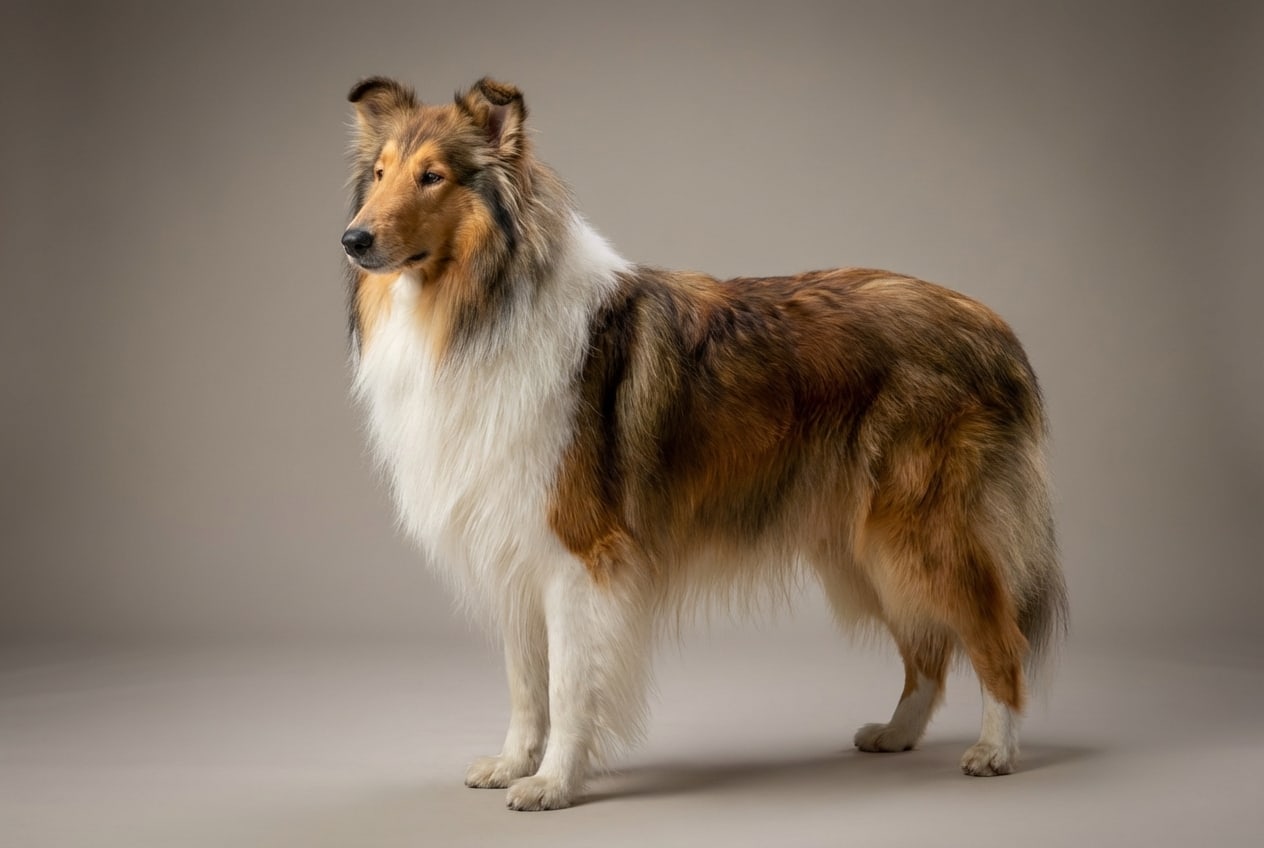
A surprising fact about Collies is that their high-energy herding history belies their moderate energy level, which can lead owners to overfeed them. As a large breed with a long, heavy coat, Collies require careful nutrition to maintain a healthy weight and prevent common issues like hip dysplasia and bloat. Their proud and devoted temperament also means they can be prone to overeating if not monitored closely. With their intelligent and active nature, Collies need a balanced diet that meets their nutritional needs, and owners must be mindful of portion sizes, meal frequency, and adjustments to keep their Collie at a healthy weight.
What to look for
Puppy Feeding
Collie puppies need to be fed 3-4 times a day until they are about six months old, after which they can be switched to twice a day. It's essential to monitor their weight and adjust portion sizes to prevent overfeeding. A good rule of thumb is to feed 1-2% of their body weight per day, divided into multiple meals.
Adult Feeding
Adult Collies require 2-3% of their body weight in food per day, depending on their activity level. For example, a sedentary Collie may need 2% of their body weight, while an active Collie may require 3%. Owners should aim to feed their Collie twice a day, with portion sizes adjusted based on individual needs.
Adjusting for Activity Level
Collies that are highly active, such as those that herd or engage in agility training, may require more calories than less active dogs. Owners should monitor their Collie's weight and adjust portion sizes accordingly. A general rule is to increase food intake by 10-20% for highly active dogs.
Monitoring Weight
Regular weight checks are crucial to ensure Collies remain at a healthy weight. Owners should use a body condition scoring system to evaluate their Collie's weight and adjust feeding amounts as needed. It's also essential to monitor for signs of overeating, such as weight gain or digestive issues.
Avoiding Common Mistakes
One common mistake Collie owners make is overfeeding their dogs, which can lead to obesity and related health issues. Another mistake is not adjusting portion sizes based on changes in activity level or age. Owners should be mindful of these potential pitfalls and work with their veterinarian to develop a feeding plan tailored to their Collie's individual needs.
Frequently asked questions
How often should I feed my Collie?
The frequency of feeding depends on the age and activity level of your Collie. Puppies need to be fed 3-4 times a day, while adult Collies can be fed twice a day. Highly active dogs may require more frequent feeding.
What is the ideal weight for a Collie?
The ideal weight for a Collie depends on their size, age, and activity level. Generally, a healthy weight range for a Collie is between 50-75 pounds, but this can vary depending on individual factors.
Can I free-feed my Collie?
No, it's not recommended to free-feed your Collie. This can lead to overeating and obesity, as Collies can be prone to eating more than they need. Instead, owners should use a measured feeding approach to ensure their Collie is getting the right amount of food.
How do I know if my Collie is overweight?
You can check if your Collie is overweight by using a body condition scoring system, which evaluates their weight and body condition. Other signs of overweight include visible fat deposits, difficulty breathing, and reduced mobility.
What are the health risks of overfeeding my Collie?
Overfeeding your Collie can lead to a range of health issues, including obesity, hip dysplasia, and bloat. It can also exacerbate existing conditions, such as eye problems and MDR1 drug sensitivity. Regular monitoring and adjustments to feeding amounts can help prevent these risks.
To keep your Collie at a healthy weight, it's essential to monitor their food intake and adjust portion sizes based on their age, activity level, and individual needs. By working with your veterinarian and following a tailored feeding plan, you can help prevent common health issues and ensure your Collie leads a long, happy life. Regular weight checks and adjustments to feeding amounts are critical to maintaining your Collie's optimal weight and overall health.
More for your Collie
Other breed-matched picks worth a look.