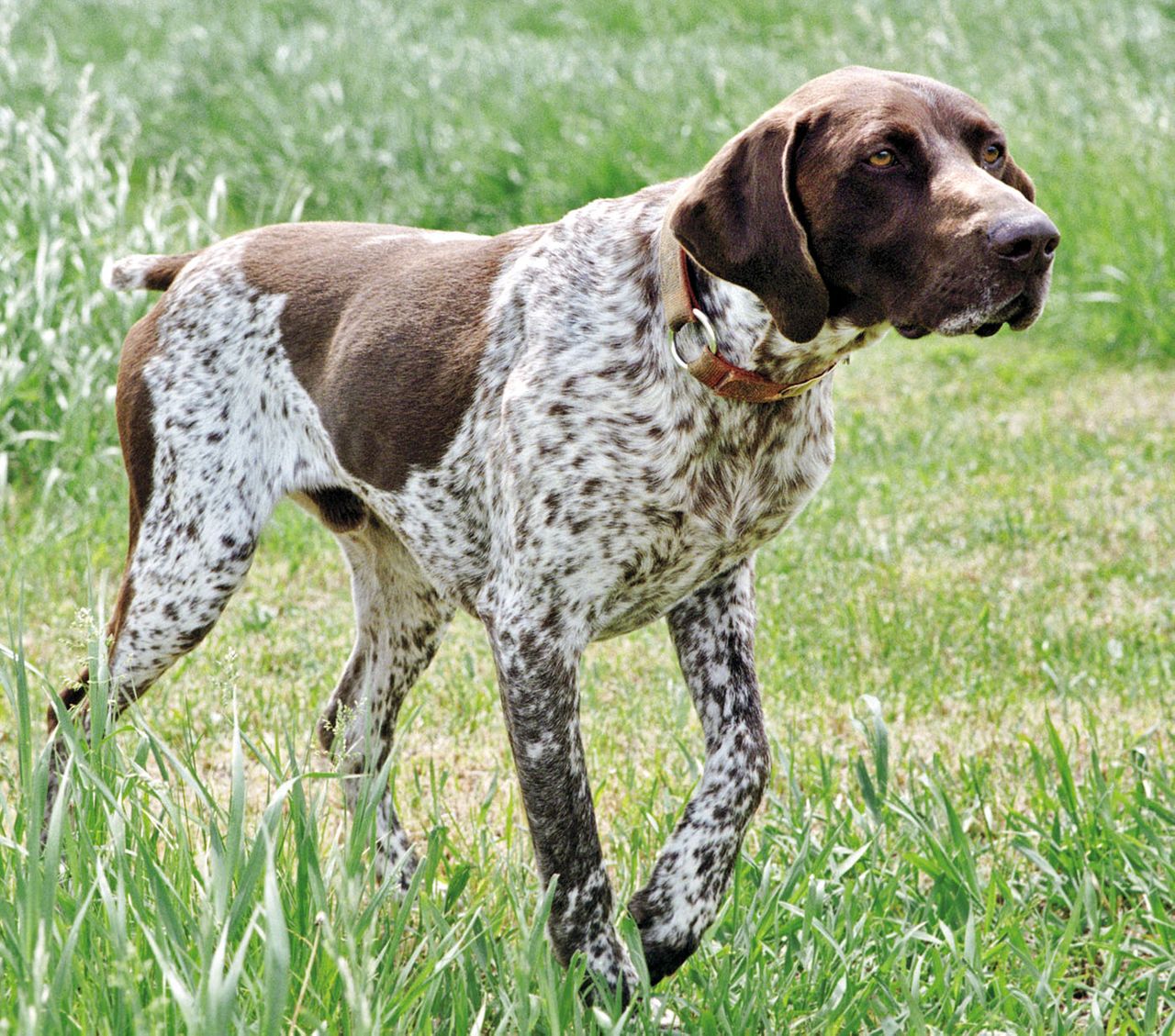
How Much to Feed a German Shorthaired Pointer
By PetEssentialist Team · Updated June 2026 · How we review
We independently research and pick every product. When you buy through our links we may earn a commission, at no extra cost to you. How this works.
The German Shorthaired Pointer's extremely high energy level demands a carefully managed diet to maintain a healthy weight and prevent conditions like bloat and hip dysplasia. As a large, deep-chested breed, their feeding schedule must balance their caloric needs with the risk of overeating, which can exacerbate these issues. With their short, single coat and moderate shedding, German Shorthaired Pointers require a nutrient-rich diet that supports their active lifestyle. German Shorthaired Pointers are bred for hunting and require a diet that reflects their high energy expenditure. Their intelligence, trainability, and friendly temperament make them a popular choice for active families, but their feeding needs can be complex. By understanding the specific nutritional requirements of this breed, owners can help prevent common health issues and ensure their dog leads a long, healthy life. As a responsible German Shorthaired Pointer owner, it's essential to prioritize their dietary needs to support their overall well-being. With the right feeding strategy, you can help your dog thrive and enjoy a happy, active life together.
What to look for
Determine Your Dog's Daily Caloric Needs
To establish a suitable feeding schedule, calculate your German Shorthaired Pointer's daily caloric requirements based on their age, weight, and activity level. Puppies, for example, need more calories than adult dogs, while highly active dogs require more calories than those with a moderate activity level. Consult with your veterinarian to determine the ideal caloric intake for your dog.
Choose the Right Food Type and Quality
Select a high-quality dog food that meets your German Shorthaired Pointer's nutritional needs, considering factors such as protein content, fat levels, and carbohydrate sources. Look for a food that is rich in animal-based protein sources, moderate in fat, and limited in carbohydrates to support their high energy needs.
Adjust Meal Frequency and Portion Sizes
German Shorthaired Pointers are prone to bloat, so it's essential to feed them multiple smaller meals throughout the day rather than one or two large meals. Divide their daily caloric needs into 3-4 meals, and monitor their weight and adjust portion sizes as needed to maintain a healthy weight.
Monitor and Adjust for Life Stage and Activity Level
As your German Shorthaired Pointer grows and matures, their dietary needs will change. Puppies require more frequent feeding and a higher caloric intake, while adult dogs may require less. Additionally, highly active dogs may need more calories than those with a moderate activity level, so adjust their feeding schedule accordingly.
Prevent Overeating and Maintain a Healthy Weight
To prevent overeating and maintain a healthy weight, monitor your German Shorthaired Pointer's food intake and adjust their portion sizes as needed. Avoid overfeeding, as this can lead to obesity and exacerbate common health issues like hip dysplasia and bloat.
Frequently asked questions
How often should I feed my German Shorthaired Pointer?
Feed your German Shorthaired Pointer 3-4 times a day, depending on their age, weight, and activity level. Puppies may require more frequent feeding, while adult dogs may need less.
What is the ideal weight range for a German Shorthaired Pointer?
The ideal weight range for a German Shorthaired Pointer is between 45-70 pounds, depending on their age, sex, and muscle tone. Monitor your dog's weight and adjust their feeding schedule accordingly to maintain a healthy weight.
Can German Shorthaired Pointers eat raw or homemade diets?
While some owners prefer raw or homemade diets, it's essential to consult with a veterinarian before making any changes to your dog's diet. A balanced, nutrient-rich commercial dog food may be a more convenient and reliable option for many owners.
How can I prevent bloat in my German Shorthaired Pointer?
To prevent bloat, feed your German Shorthaired Pointer multiple smaller meals throughout the day, and avoid exercising them immediately after eating. Additionally, choose a high-quality dog food that is easy to digest and minimizes the risk of bloat.
What are the signs of overfeeding in German Shorthaired Pointers?
Signs of overfeeding in German Shorthaired Pointers include weight gain, lethargy, and decreased activity level. Monitor your dog's weight and adjust their feeding schedule accordingly to prevent overfeeding and maintain a healthy weight.
By understanding the German Shorthaired Pointer's unique nutritional needs and following a carefully managed feeding schedule, owners can help prevent common health issues and support their dog's overall well-being. Prioritize your dog's dietary needs, and with the right feeding strategy, you can help your German Shorthaired Pointer lead a long, healthy, and active life.
More for your German Shorthaired Pointer
Other breed-matched picks worth a look.