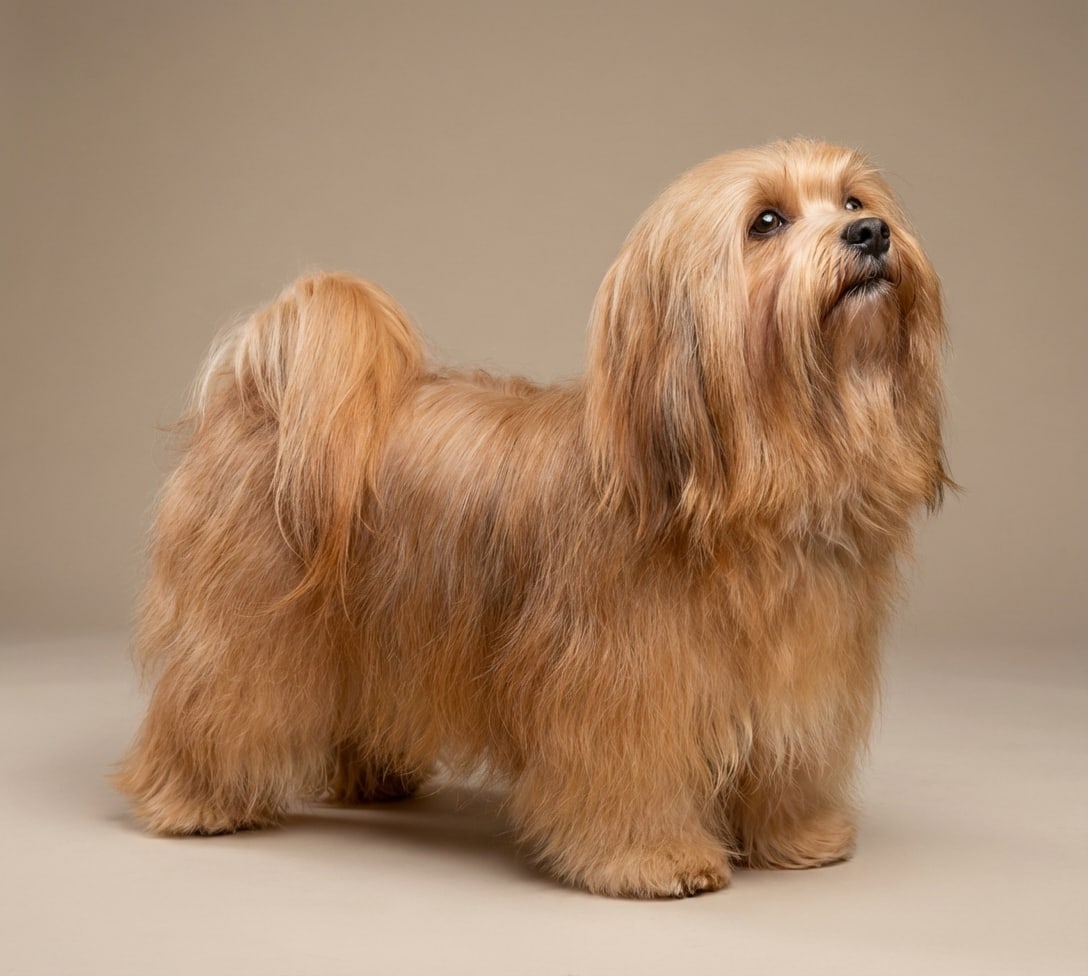
How Much to Feed a Havanese
By PetEssentialist Team · Updated June 2026 · How we review
We independently research and pick every product. When you buy through our links we may earn a commission, at no extra cost to you. How this works.
The Havanese breed's small size and moderate energy level make them prone to obesity if overfed. Their long, silky coat requires daily maintenance, but also means they can be messy eaters, making mealtime a challenge. Owners of this playful and affectionate breed need to balance their dog's nutritional needs with their tendency to beg for treats and table scraps. A Havanese's diet should be tailored to their age, weight, and activity level to prevent health issues like patellar luxation and dental disease. As a small companion dog, the Havanese requires gentle care and attention to their specific needs. Their high grooming needs and low shedding coat mean that owners should prioritize a balanced diet that supports skin and coat health. Feeding a Havanese requires careful consideration of portion sizes, meal frequency, and nutrient content. By understanding the unique needs of this breed, owners can help their dog maintain a healthy weight and prevent common health issues.
What to look for
Puppy Feeding
Havanese puppies require more frequent meals than adults, with 3-4 meals per day until they are six months old. Owners should prioritize a high-quality puppy food that supports growth and development. As puppies grow, their meal frequency can be reduced to twice a day, but portion sizes should be adjusted to prevent overfeeding.
Adult Feeding
Adult Havanese dogs require a balanced diet that meets their moderate energy needs. Owners should feed their dog twice a day, with portion sizes based on their individual weight and activity level. A high-quality adult dog food that supports skin and coat health is essential for this breed.
Adjusting Portion Sizes
As Havanese dogs age, their nutritional needs change. Owners should adjust portion sizes based on their dog's weight, activity level, and age. For example, a less active or older Havanese may require fewer calories to maintain a healthy weight. Regular weigh-ins and body condition assessments can help owners determine the ideal portion size for their dog.
Preventing Overfeeding
Havanese dogs are prone to begging for treats and table scraps, which can lead to overfeeding and obesity. Owners should prioritize a balanced diet and limit treats to 10% of their dog's daily calorie intake. Regular exercise, such as daily walks and playtime, can also help prevent obesity and support overall health.
Monitoring Health
Regular veterinary check-ups and monitoring of a Havanese's health can help identify potential issues early on. Owners should keep an eye out for signs of obesity, dental disease, and other common health issues in the breed, and adjust their dog's diet and exercise routine accordingly.
Frequently asked questions
How often should I feed my Havanese puppy?
Havanese puppies require 3-4 meals per day until they are six months old. After six months, they can be transitioned to twice daily meals. It's essential to prioritize a high-quality puppy food that supports growth and development.
What is the ideal weight for a Havanese dog?
The ideal weight for a Havanese dog ranges from 7-13 pounds, depending on their individual size and muscle tone. Regular weigh-ins and body condition assessments can help owners determine the ideal weight for their dog.
Can I feed my Havanese table scraps?
It's not recommended to feed Havanese dogs table scraps, as they can be high in calories and fat, leading to obesity and other health issues. Instead, prioritize a balanced diet and limit treats to 10% of their daily calorie intake.
How can I prevent my Havanese from becoming obese?
To prevent obesity in Havanese dogs, owners should prioritize a balanced diet, limit treats, and ensure regular exercise, such as daily walks and playtime. Regular weigh-ins and body condition assessments can also help identify potential issues early on.
What are the most common health issues in Havanese dogs related to diet?
Common health issues in Havanese dogs related to diet include obesity, dental disease, and patellar luxation. A balanced diet that supports skin and coat health, as well as regular exercise and veterinary check-ups, can help prevent these issues.
To keep a Havanese dog healthy and happy, owners must prioritize a balanced diet that meets their individual needs. By understanding the unique requirements of this breed and taking steps to prevent overfeeding and obesity, owners can help their dog maintain a healthy weight and prevent common health issues. Consult with a veterinarian to determine the best diet and exercise plan for your Havanese dog.
More for your Havanese
Other breed-matched picks worth a look.