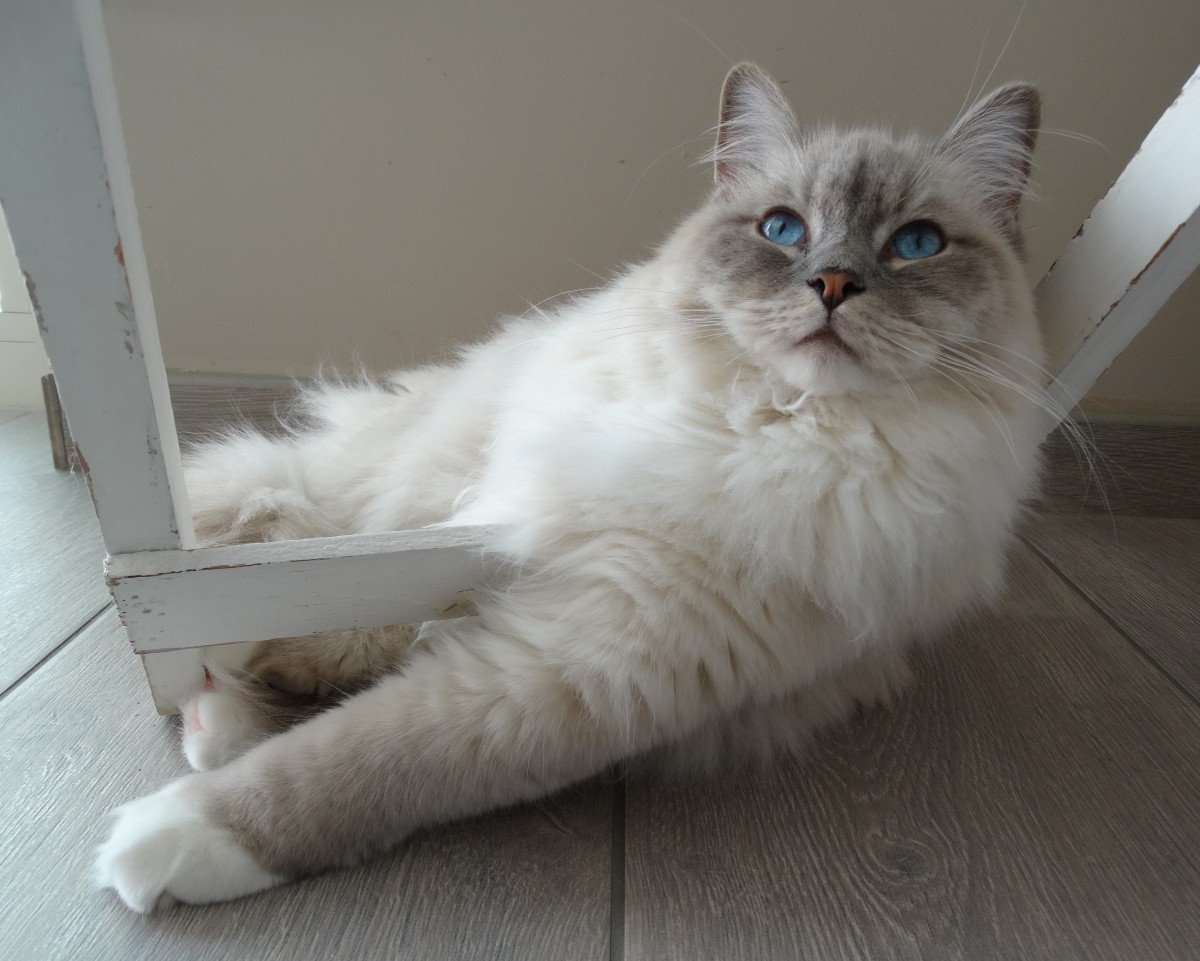
How Much to Feed a Himalayan
By PetEssentialist Team · Updated June 2026 · How we review
We independently research and pick every product. When you buy through our links we may earn a commission, at no extra cost to you. How this works.
The Himalayan's flat face and low energy level make them prone to weight gain, which can exacerbate common health issues like polycystic kidney disease (PKD) and brachycephalic airway syndrome. As a responsible owner, it's crucial to monitor their food intake closely. Daily grooming is essential to prevent hairballs and matting, but it's equally important to balance their diet to maintain a healthy weight. The Himalayan's long, thick coat requires regular grooming, but their low energy level means they need fewer calories than more active breeds. A well-structured feeding plan can help prevent obesity and related health problems, ensuring your Himalayan lives a long, happy life of 9-15 years.
What to look for
Determine Your Cat's Ideal Weight
Consult with your veterinarian to determine your Himalayan's ideal weight range, typically between 7-12 pounds. This will serve as a benchmark for adjusting their food portions. Monitor their weight regularly, and adjust their diet accordingly to prevent obesity.
Choose the Right Food
Select a high-quality cat food that meets your Himalayan's nutritional needs, taking into account their life stage, weight, and activity level. Consider a food specifically formulated for indoor, low-energy cats to prevent overfeeding.
Portion Control and Meal Frequency
Divide your Himalayan's daily ration into 2-3 meals to prevent overeating. The ideal portion size will depend on their age, weight, and activity level, but a general guideline is 1/4 to 1/2 cup of food per 10 pounds of body weight per day.
Adjust for Life Stage and Activity Level
Kittens, pregnant, or nursing cats require more calories than adult cats. Conversely, less active or older cats may need fewer calories. Adjust your Himalayan's food portions accordingly to ensure they maintain a healthy weight.
Monitor and Adjust
Regularly monitor your Himalayan's weight, body condition, and overall health, and adjust their food portions as needed. Be patient, as it may take some time to find the perfect balance.
Frequently asked questions
How often should I feed my Himalayan?
Feed your Himalayan 2-3 times a day, depending on their age, weight, and activity level. Kittens may require more frequent feeding, while adult cats can thrive on twice-a-day meals.
What is the best food for my Himalayan?
The best food for your Himalayan will depend on their individual needs and life stage. Consult with your veterinarian to determine the most suitable food for your cat, and consider a high-quality, nutrient-rich food specifically formulated for indoor, low-energy cats.
Can I free-feed my Himalayan?
No, it's not recommended to free-feed your Himalayan, as this can lead to overeating and obesity. Instead, measure out their daily ration and divide it into 2-3 meals to maintain a healthy weight.
How can I prevent hairballs in my Himalayan?
Regular grooming and a balanced diet can help prevent hairballs in your Himalayan. Consider adding a small amount of fiber-rich food or a hairball remedy to their diet, and brush their coat daily to reduce shedding.
What are the signs of obesity in Himalayans?
Signs of obesity in Himalayans include visible fat deposits, a rounded abdomen, and difficulty breathing. If you notice any of these signs, consult with your veterinarian to adjust your cat's diet and develop a weight loss plan.
By following these guidelines and consulting with your veterinarian, you can help your Himalayan maintain a healthy weight and prevent common health issues. Remember to monitor their weight regularly and adjust their food portions as needed to ensure a long, happy life for your beloved pet.
More for your Himalayan
Other breed-matched picks worth a look.