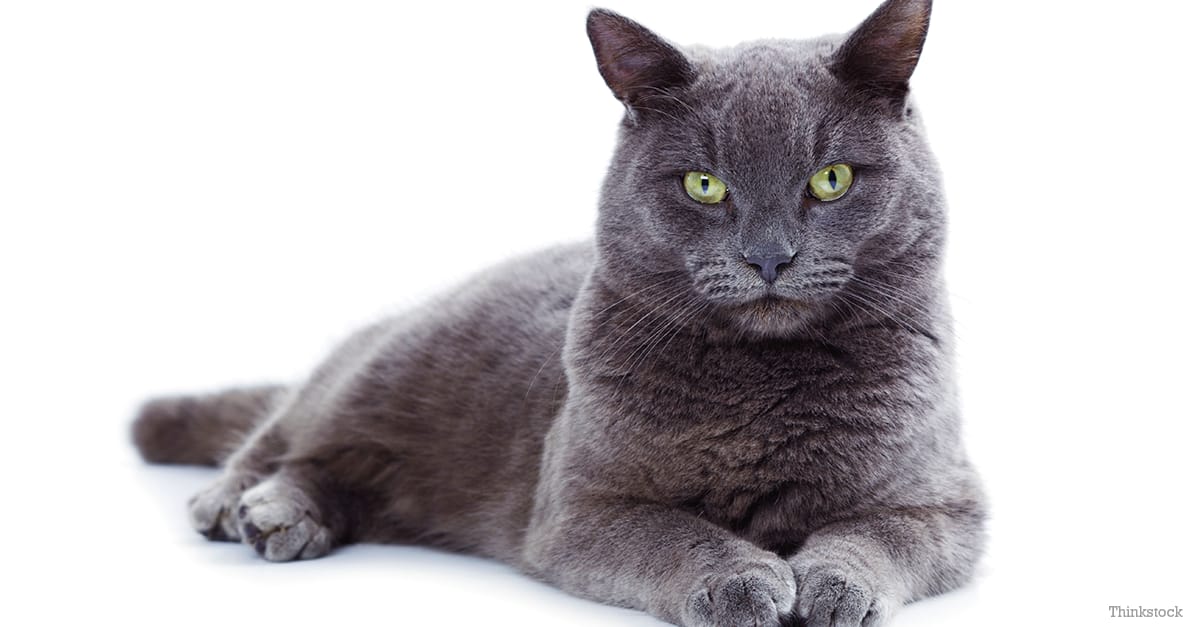
How Much to Feed a Korat
By PetEssentialist Team · Updated July 2026 · How we review
We independently research and pick every product. When you buy through our links we may earn a commission, at no extra cost to you. How this works.
A Korat's typical day begins at dawn, with gentle purrs and snuggles from their loyal feline companion. As the morning sun casts a silver glow on their short, single coat, owners are reminded of the importance of a balanced diet to maintain their Korat's moderate energy level and overall health. With a lifespan of 12-17 years, Korat owners want to ensure they're providing the best possible nutrition for their affectionate and intelligent cat. Korats are prone to certain health issues, such as GM1/GM2 gangliosidosis, HCM, and dental disease, making a well-structured feeding plan crucial. Their low shedding and grooming needs are a plus, but their sensitivity to change means owners must introduce new foods or portion sizes gradually. As a breed that bonds deeply with its people, Korats thrive on routine and consistency, including mealtimes. Establishing a suitable feeding schedule for a Korat requires consideration of their age, weight, and activity level. By understanding these factors and adjusting portion sizes and meal frequency accordingly, owners can help their Korat maintain a healthy weight and reduce the risk of common health issues.
What to look for
Kittenhood (0-12 months)
Korat kittens require more frequent feedings, typically 3-4 times a day, to support their rapid growth and development. As they approach 6 months, owners can start transitioning to twice-daily feedings. It's essential to monitor their weight and adjust portion sizes to prevent overfeeding, which can lead to obesity and related health issues.
Adult Maintenance
The average adult Korat weighs between 6-10 pounds and requires a moderate amount of food to maintain their energy level. A general rule of thumb is to feed 1/4 to 1/3 cup of high-quality cat food per 10 pounds of body weight per day, divided into two meals. However, this may vary depending on individual factors, such as activity level and overall health.
Senior Years (12+ years)
As Korats age, their metabolism slows, and their energy needs decrease. Owners should adjust portion sizes accordingly to prevent weight gain and related health issues. Senior Korats may also require more frequent, smaller meals to manage any age-related health conditions, such as dental disease or digestive issues.
Monitoring and Adjusting
Regularly monitoring a Korat's weight, body condition, and overall health is crucial to ensuring they're receiving the right amount of food. Owners should adjust portion sizes and meal frequency as needed to maintain a healthy weight and prevent common health issues. It's also essential to introduce new foods or portion sizes gradually to avoid upsetting their sensitive digestive system.
Avoiding Common Mistakes
One common mistake Korat owners make is overfeeding, which can lead to obesity and related health issues. Another mistake is not providing enough mental and physical stimulation, which can result in boredom, stress, and overeating. By providing a balanced diet, plenty of exercise, and mental stimulation, owners can help their Korat maintain a healthy weight and overall well-being.
Frequently asked questions
How often should I feed my Korat?
The frequency of feedings depends on the Korat's age, weight, and activity level. Kittens require more frequent feedings, while adults can be fed twice a day. Senior Korats may require more frequent, smaller meals to manage age-related health conditions.
What is the ideal weight for a Korat?
The ideal weight for a Korat is between 6-10 pounds, depending on their age, sex, and overall health. Owners should aim to maintain a healthy weight to reduce the risk of common health issues.
Can I free-feed my Korat?
It's not recommended to free-feed a Korat, as this can lead to overeating and obesity. Instead, owners should measure out portion sizes and feed at set times to maintain a healthy weight and prevent common health issues.
How can I tell if my Korat is overweight?
Owners can assess their Korat's weight by feeling their ribs, spine, and hips. If these bones are difficult to feel, it may indicate that the Korat is overweight. Other signs of obesity include a rounded abdomen, lethargy, and difficulty breathing.
What are the consequences of underfeeding or overfeeding my Korat?
Underfeeding can lead to malnutrition, weight loss, and related health issues, while overfeeding can result in obesity, diabetes, and other health problems. It's essential to work with a veterinarian to determine the ideal feeding plan for a Korat and adjust as needed to maintain a healthy weight and overall well-being.
By understanding a Korat's specific nutritional needs and adjusting portion sizes and meal frequency accordingly, owners can help their cat maintain a healthy weight and reduce the risk of common health issues. With patience, attention to detail, and a commitment to providing a balanced diet, Korat owners can help their loyal and affectionate companion thrive throughout their life.
More for your Korat
Other breed-matched picks worth a look.