How Much to Feed a Miniature Schnauzer
By PetEssentialist Team · Updated June 2026 · How we review
We independently research and pick every product. When you buy through our links we may earn a commission, at no extra cost to you. How this works.
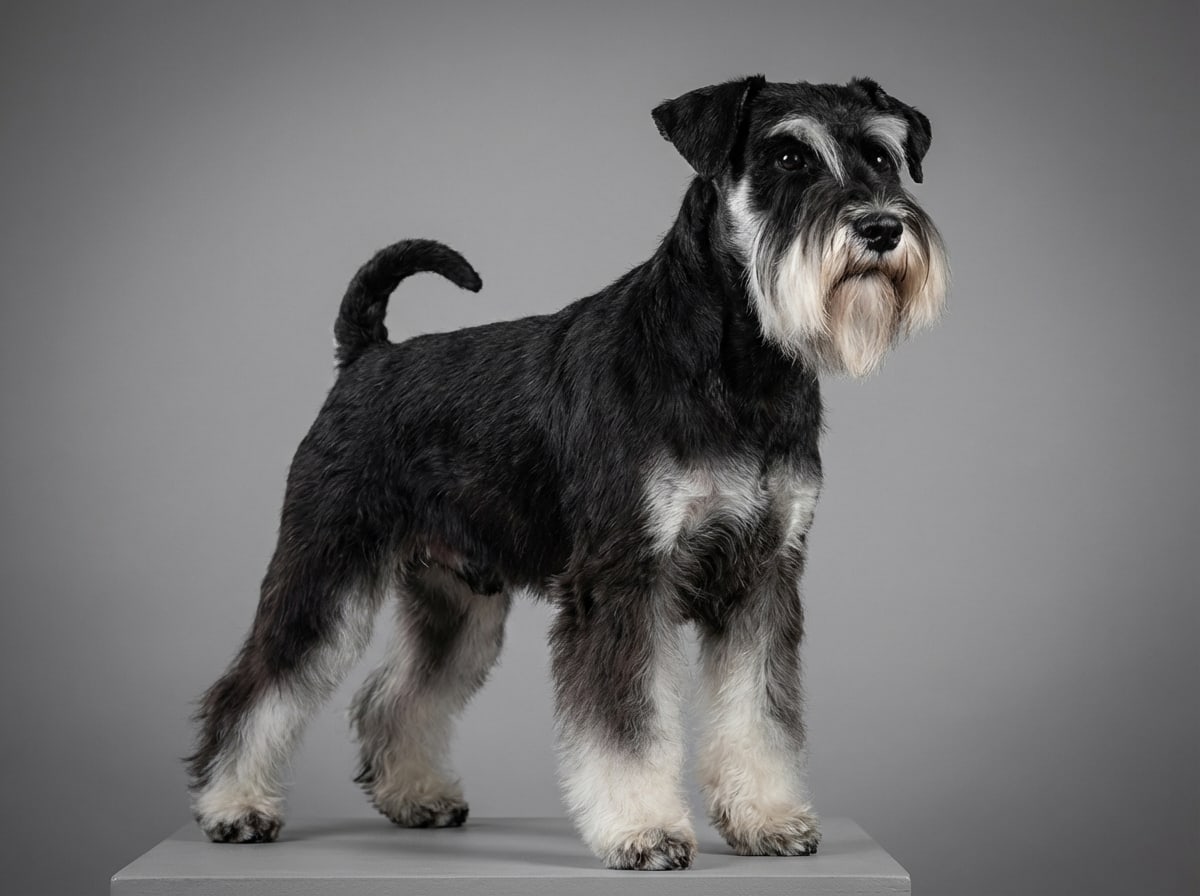
The Miniature Schnauzer's high energy level and sensitive stomach make feeding a critical aspect of their care. Pancreatitis, a common health issue in this breed, can be mitigated with a low-fat diet. Regular clipping or hand-stripping of their wiry double coat also requires careful consideration of their nutritional needs. As a small breed with a typical weight range of 11-20 pounds, Miniature Schnauzers require portion control to maintain a healthy weight. Their friendly, smart, and obedient temperament makes them a joy to feed and care for, but owners must be mindful of their specific needs. With a lifespan of 12-15 years, a well-planned feeding strategy can help prevent common health issues such as dental disease, urinary stones, and eye conditions. By understanding the unique characteristics of the Miniature Schnauzer, owners can create a feeding plan that supports their overall health and well-being. This guide will walk owners through the key factors to consider when determining how much to feed their Miniature Schnauzer, including age, weight, and activity level.
What to look for
Age-Based Feeding
Miniature Schnauzers have different nutritional needs at various stages of their life. Puppies require more frequent meals and a higher caloric intake to support growth and development. Adult dogs need a balanced diet that maintains their weight and supports their high energy level. Senior dogs may require fewer calories and more frequent, smaller meals to prevent weight gain and manage potential health issues.
Weight Management
Maintaining a healthy weight is crucial for Miniature Schnauzers to prevent pancreatitis and other health issues. Owners should monitor their dog's weight and adjust their feeding plan accordingly. A low-fat diet and regular exercise can help support weight management. It's essential to avoid overfeeding, as this can lead to obesity and related health problems.
Activity Level Considerations
Miniature Schnauzers are highly energetic and require a diet that supports their activity level. Dogs that engage in regular exercise or playtime may require more calories to maintain their energy levels. Conversely, less active dogs may need fewer calories to prevent weight gain. Owners should consider their dog's activity level when determining their feeding plan.
Meal Frequency and Portion Control
Miniature Schnauzers are prone to gobbling their food, which can lead to digestive issues. Feeding smaller, more frequent meals can help prevent this. Owners should also consider using a slow-feeder bowl or interactive toys to slow down eating and provide mental stimulation. Portion control is critical to maintaining a healthy weight and preventing overfeeding.
Adjusting the Feeding Plan
As Miniature Schnauzers grow and mature, their feeding plan may need to be adjusted. Owners should regularly monitor their dog's weight, body condition, and overall health, and make adjustments to their feeding plan as needed. This may involve changing the type or amount of food, or adjusting the frequency of meals. Consult with a veterinarian for personalized feeding recommendations.
Frequently asked questions
How often should I feed my Miniature Schnauzer?
The frequency of meals depends on the age and activity level of your Miniature Schnauzer. Puppies may require 3-4 meals per day, while adult dogs can thrive on 2 meals per day. Senior dogs may benefit from smaller, more frequent meals. Consult with a veterinarian to determine the best feeding schedule for your dog.
What is the ideal weight for a Miniature Schnauzer?
The ideal weight for a Miniature Schnauzer depends on their age, sex, and muscle tone. Generally, a healthy weight range is between 11-20 pounds. Owners should aim to maintain a body condition score of 4-5, where the ribs are easily felt and the waist is visible.
Can I feed my Miniature Schnauzer a raw diet?
While some owners prefer raw diets, it's essential to consult with a veterinarian before making any significant changes to your dog's diet. Raw diets can be beneficial for some dogs, but they may not provide the necessary nutrients for Miniature Schnauzers, particularly if they have sensitive stomachs. A balanced, commercial dog food may be a safer and more convenient option.
How can I prevent pancreatitis in my Miniature Schnauzer?
To prevent pancreatitis, feed a low-fat diet and avoid giving your dog table scraps or high-fat treats. Regular exercise and maintaining a healthy weight can also help reduce the risk of pancreatitis. Monitor your dog's overall health and adjust their feeding plan as needed to prevent this common health issue.
What are the signs of overfeeding in Miniature Schnauzers?
Signs of overfeeding in Miniature Schnauzers include weight gain, lethargy, and digestive issues such as diarrhea or vomiting. If you notice any of these symptoms, consult with a veterinarian to adjust your dog's feeding plan and prevent related health problems.
To ensure the optimal health and well-being of your Miniature Schnauzer, it's crucial to create a feeding plan that considers their age, weight, and activity level. By monitoring their weight, adjusting their feeding plan as needed, and providing a balanced, low-fat diet, owners can help prevent common health issues and support their dog's high energy level and sensitive stomach. Consult with a veterinarian to determine the best feeding strategy for your Miniature Schnauzer.
More for your Miniature Schnauzer
Other breed-matched picks worth a look.