How Much to Feed a Norwegian Elkhound
By PetEssentialist Team · Updated July 2026 · How we review
We independently research and pick every product. When you buy through our links we may earn a commission, at no extra cost to you. How this works.
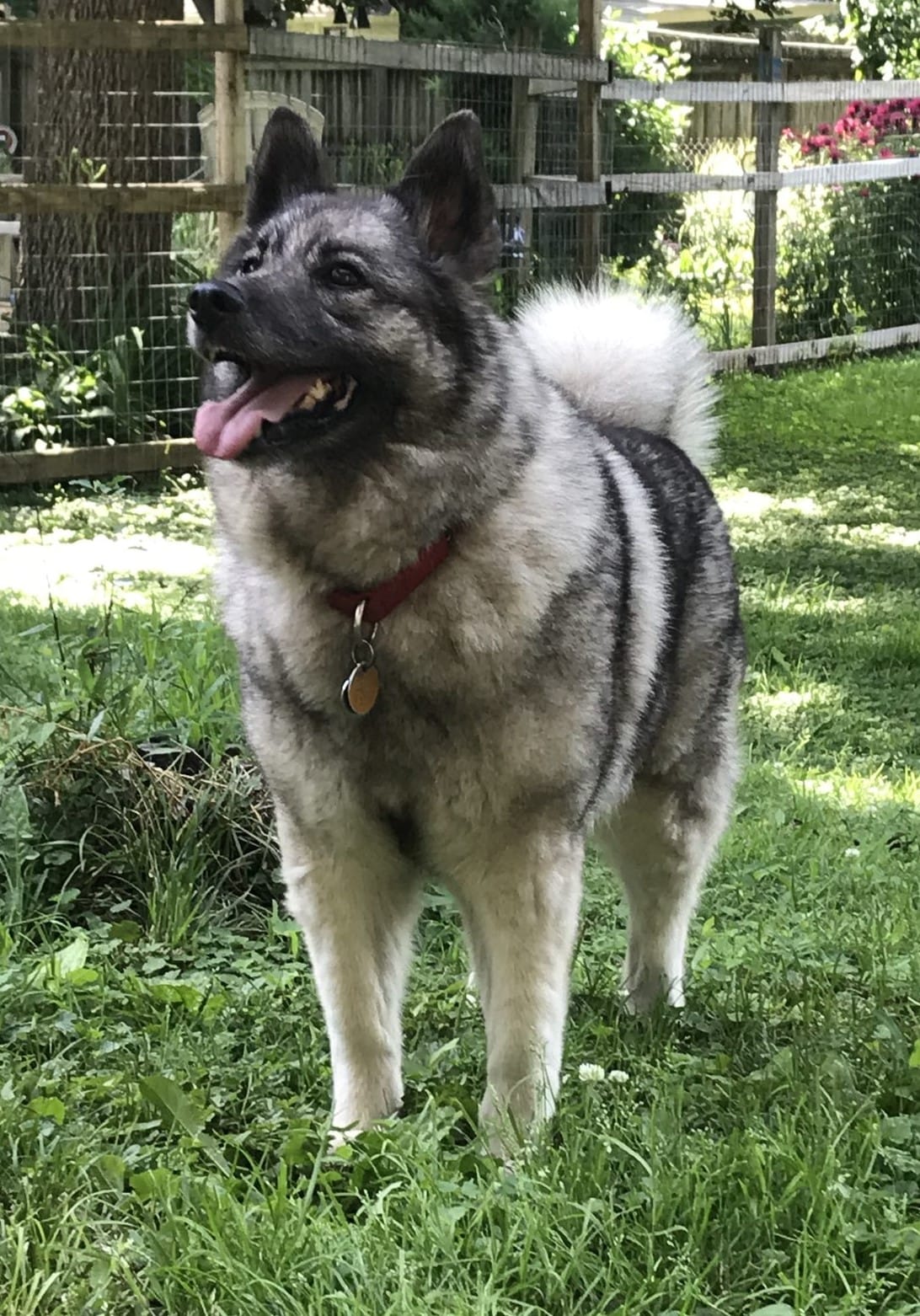
Feeding a Norwegian Elkhound requires careful consideration of their high energy level, thick double coat, and propensity for weight gain. As a sturdy northern spitz breed, they need a balanced diet that meets their nutritional needs without overfeeding. With their dense gray coat blowing seasonally, it's essential to adjust their food intake accordingly to prevent obesity and related health issues such as hip dysplasia and hypothyroidism. A typical Norwegian Elkhound weighs between 44-55 lbs and has a lifespan of 12-15 years. Their bold, loyal, and friendly temperament makes them a beloved companion, but their independent nature can make training and feeding a challenge. By understanding their specific needs and adjusting their feeding schedule, owners can help their Norwegian Elkhound maintain a healthy weight and thrive. As a high-energy breed, Norwegian Elkhounds require regular exercise and mental stimulation to prevent boredom and destructive behavior. Their feeding schedule should be tailored to their age, weight, and activity level to ensure they receive the necessary nutrients for optimal health.
What to look for
Puppy Feeding
Norwegian Elkhound puppies need to be fed 3-4 times a day until they are about six months old. They require a high-quality puppy food that is rich in protein and fat to support their growth and development. As they grow, their feeding schedule can be adjusted to twice a day.
Adult Feeding
Adult Norwegian Elkhounds need to be fed a balanced diet that meets their nutritional needs. They require 2-3 cups of food per day, depending on their activity level and weight. High-energy dogs may need more food, while less active dogs may need less.
Adjusting for Seasonal Changes
Norwegian Elkhounds shed their coat seasonally, which can affect their food intake. During shedding season, they may need more food to support their coat growth, while during periods of low activity, they may need less food to prevent weight gain.
Monitoring Weight
It's essential to monitor a Norwegian Elkhound's weight regularly to prevent obesity. Owners should check their dog's weight monthly and adjust their feeding schedule accordingly. A healthy Norwegian Elkhound should have a visible waistline and a body condition score of 4-5.
Avoiding Overfeeding
Norwegian Elkhounds are prone to weight gain, so it's crucial to avoid overfeeding. Owners should avoid giving their dogs table scraps and limit their treats to avoid excessive calorie intake. A balanced and nutritious diet is essential to maintain a healthy weight and prevent related health issues.
Frequently asked questions
How often should I feed my Norwegian Elkhound?
The frequency of feeding a Norwegian Elkhound depends on their age and activity level. Puppies need to be fed 3-4 times a day, while adults can be fed twice a day. High-energy dogs may need more frequent feeding, while less active dogs may need less.
What is the best food for a Norwegian Elkhound?
The best food for a Norwegian Elkhound is a high-quality, balanced diet that meets their nutritional needs. Owners should consult with their veterinarian to determine the best food for their dog based on their age, weight, and activity level.
Can I feed my Norwegian Elkhound a raw diet?
While some owners prefer to feed their dogs a raw diet, it's essential to consult with a veterinarian before making any changes to their diet. A raw diet can be beneficial for some dogs, but it may not provide the necessary nutrients for a Norwegian Elkhound.
How can I prevent my Norwegian Elkhound from becoming overweight?
To prevent a Norwegian Elkhound from becoming overweight, owners should monitor their weight regularly, avoid overfeeding, and limit treats. Regular exercise and mental stimulation can also help prevent boredom and destructive behavior that can lead to overeating.
What health issues are related to feeding a Norwegian Elkhound?
Norwegian Elkhounds are prone to health issues such as hip dysplasia, hypothyroidism, and Fanconi syndrome, which can be related to their diet. Owners should work with their veterinarian to determine the best diet for their dog and monitor their health regularly to prevent these issues.
Feeding a Norwegian Elkhound requires careful consideration of their specific needs and adjustments to their feeding schedule. By understanding their high energy level, thick double coat, and propensity for weight gain, owners can provide a balanced and nutritious diet that meets their nutritional needs. Regular monitoring of their weight and adjustments to their feeding schedule can help prevent obesity and related health issues, ensuring a healthy and thriving Norwegian Elkhound.
More for your Norwegian Elkhound
Other breed-matched picks worth a look.