How Much to Feed a Norwegian Forest Cat
By PetEssentialist Team · Updated June 2026 · How we review
We independently research and pick every product. When you buy through our links we may earn a commission, at no extra cost to you. How this works.
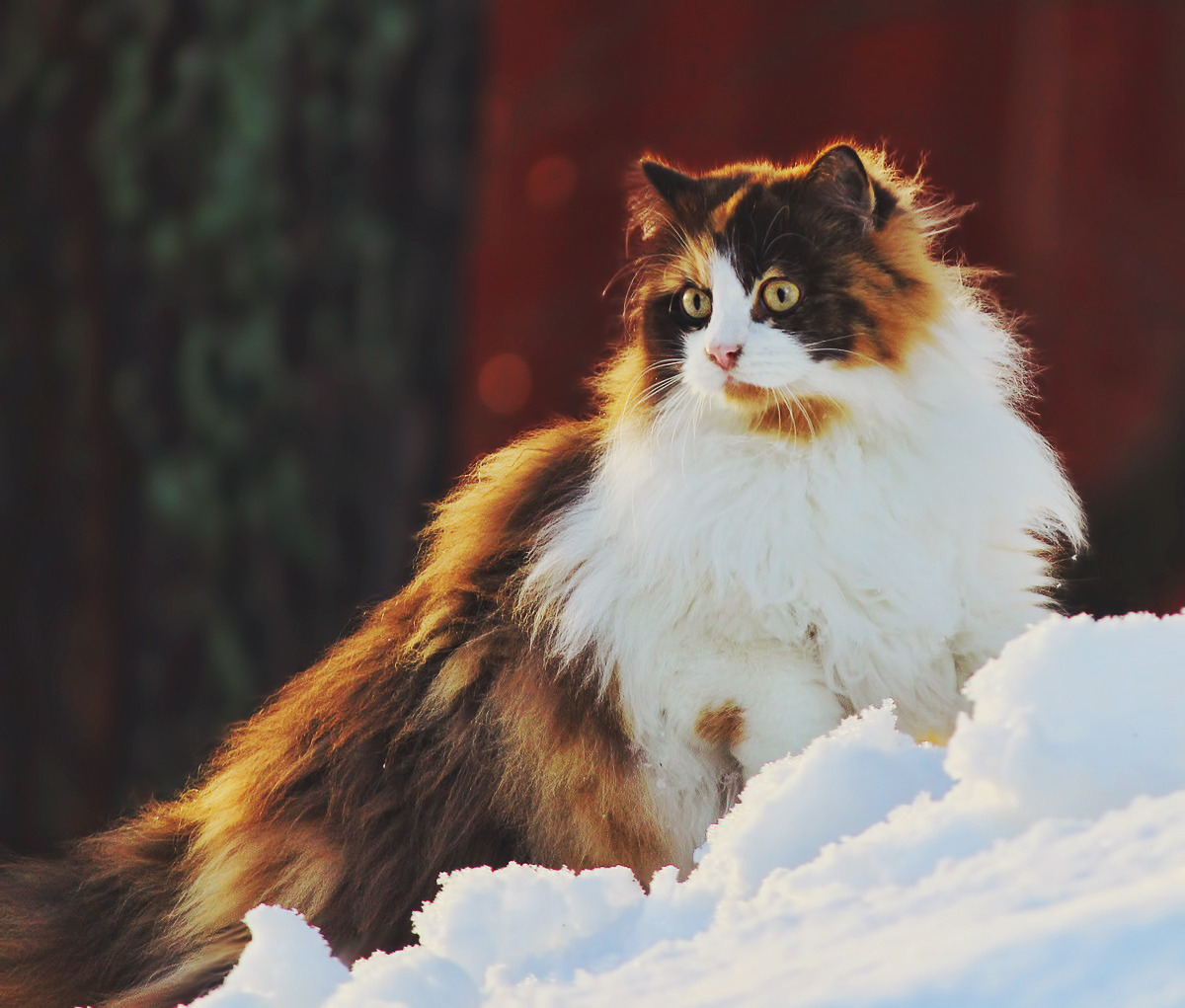
The Norwegian Forest Cat's thick, water-resistant coat and large size require a balanced diet to maintain a healthy weight. Their moderate energy level and tendency to be independent mean they need a feeding schedule that suits their lifestyle. Owners of Norwegian Forest Cats often struggle to determine the right amount of food for their cat, as overfeeding can lead to obesity and related health issues such as hip dysplasia and glycogen storage disease. A well-structured feeding plan is crucial to prevent these issues and ensure the cat's overall well-being. The Norwegian Forest Cat's high shedding and grooming needs also mean they require a nutrient-rich diet to support their coat health. By understanding the specific needs of this breed, owners can provide a tailored feeding plan that meets their cat's unique requirements. With their gentle and calm temperament, Norwegian Forest Cats are prone to overeating if food is left out all day, making it essential to establish a feeding schedule that promotes healthy eating habits.
What to look for
Kittenhood (0-12 months)
During the first year, Norwegian Forest Cat kittens need to be fed 3-4 times a day, with a high-protein diet to support their rapid growth and development. As they approach adulthood, the frequency of meals can be reduced to twice a day. It's essential to monitor their weight and adjust the portion sizes accordingly to prevent overfeeding.
Adult Weight Management
Adult Norwegian Forest Cats require a balanced diet that meets their moderate energy needs. The ideal weight range for this breed is between 9-16 pounds, and owners should aim to maintain their cat's weight within this range. A combination of high-quality protein sources, whole grains, and vegetables can help support their overall health and well-being.
Activity Level Considerations
Norwegian Forest Cats have a moderate energy level, but their activity level can vary depending on their individual personality and lifestyle. Owners should adjust their cat's food intake based on their activity level, with more active cats requiring more calories to maintain their weight and energy levels.
Coat Health and Nutrition
The Norwegian Forest Cat's thick, double coat requires a nutrient-rich diet to support its health and shine. A balanced diet that includes omega-3 fatty acids, vitamin E, and other essential nutrients can help promote a healthy coat and reduce shedding.
Adjusting Portion Sizes
As Norwegian Forest Cats age, their metabolisms slow down, and their energy needs decrease. Owners should adjust their cat's portion sizes accordingly to prevent overfeeding and maintain a healthy weight. Regular weigh-ins and body condition evaluations can help determine the ideal portion size for each cat.
Frequently asked questions
How often should I feed my Norwegian Forest Cat?
The frequency of meals depends on the cat's age, weight, and activity level. Kittens require 3-4 meals a day, while adult cats can be fed twice a day. However, this may vary depending on individual circumstances, and owners should consult with their veterinarian to determine the best feeding schedule for their cat.
What is the ideal weight range for a Norwegian Forest Cat?
The ideal weight range for a Norwegian Forest Cat is between 9-16 pounds, depending on their age, sex, and muscle tone. Owners should aim to maintain their cat's weight within this range to prevent obesity and related health issues.
Can I free-feed my Norwegian Forest Cat?
It's not recommended to free-feed Norwegian Forest Cats, as they can overeat and become obese. Instead, owners should establish a feeding schedule and measure out portion sizes to ensure their cat is receiving the right amount of food.
How can I prevent hairballs in my Norwegian Forest Cat?
Hairballs can be prevented by providing a balanced diet that includes fiber and omega-3 fatty acids, which help support digestive health and reduce shedding. Regular grooming and brushing can also help reduce the amount of loose hair that is swallowed.
What are the common health issues associated with poor nutrition in Norwegian Forest Cats?
Poor nutrition can lead to a range of health issues in Norwegian Forest Cats, including obesity, hip dysplasia, glycogen storage disease, and heart disease. A balanced diet that meets their nutritional needs is essential to prevent these issues and ensure overall health and well-being.
To ensure the optimal health and well-being of Norwegian Forest Cats, owners should prioritize a balanced diet that meets their nutritional needs, taking into account their age, weight, and activity level. By establishing a feeding schedule, monitoring portion sizes, and providing a nutrient-rich diet, owners can help prevent common health issues and promote a long, healthy life for their cat. Regular consultations with a veterinarian can also help determine the best feeding plan for each individual cat.
More for your Norwegian Forest Cat
Other breed-matched picks worth a look.