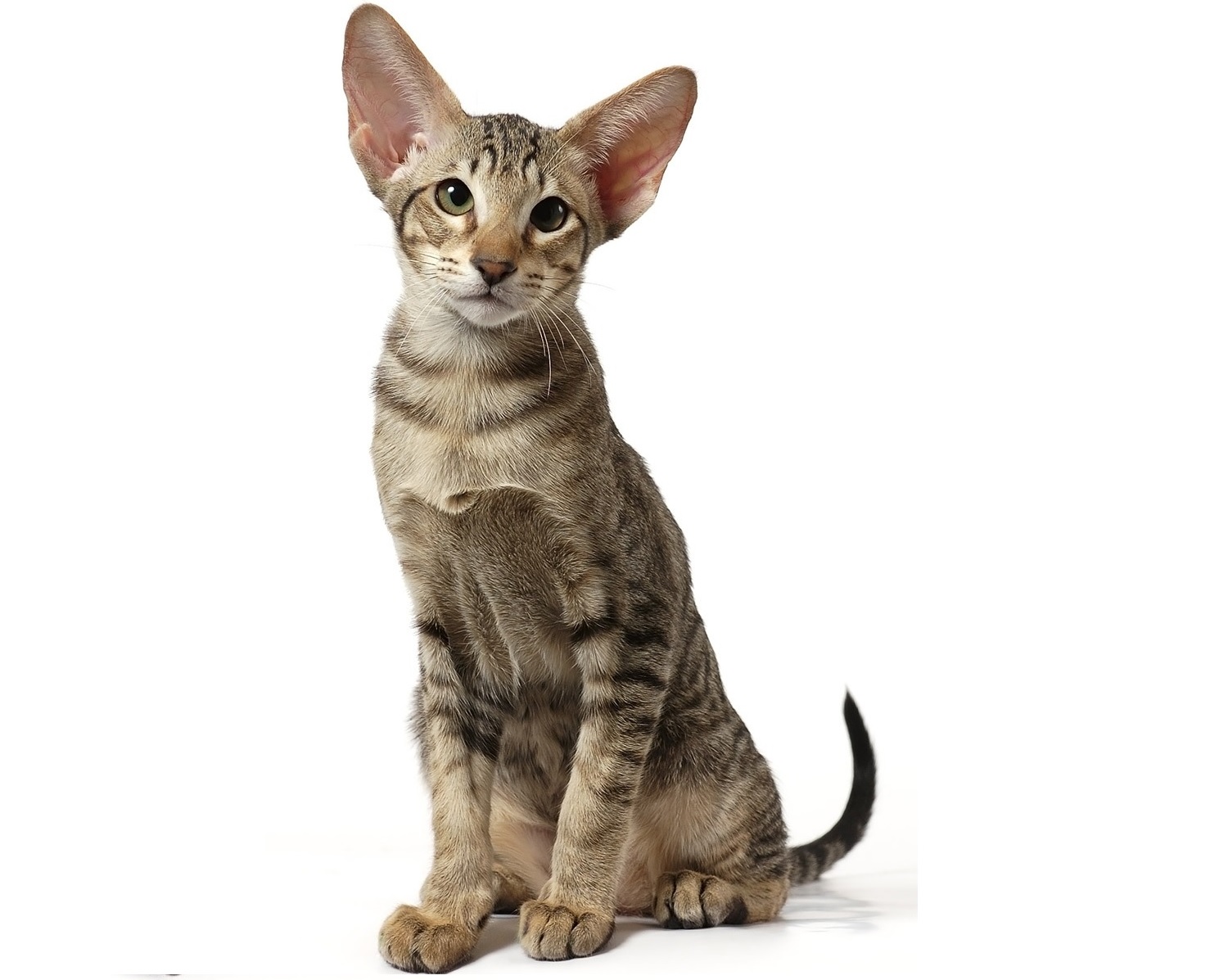
How Much to Feed a Oriental Shorthair
By PetEssentialist Team · Updated June 2026 · How we review
We independently research and pick every product. When you buy through our links we may earn a commission, at no extra cost to you. How this works.
The Oriental Shorthair's sleek, fine coat and boundless energy make them a joy to behold, but their high metabolism and curious nature can also lead to overeating or undernourishment if not properly managed. As an owner, it's essential to strike the right balance between providing enough sustenance for their energetic lifestyle and avoiding the pitfalls of obesity. With their vocal and social temperament, Oriental Shorthairs thrive on interaction and stimulation, making mealtime a great opportunity to engage and bond with your pet. A typical Oriental Shorthair weighs between 6-12 pounds, and their low shedding and grooming needs make them a relatively low-maintenance breed. However, their propensity for respiratory issues, dental disease, and other health concerns means that a well-structured feeding plan is crucial to maintaining their overall health and wellbeing. By understanding the specific dietary needs of your Oriental Shorthair, you can help ensure they lead a happy, healthy life. For Oriental Shorthair owners, the key to successful feeding lies in finding the perfect balance between nourishment and indulgence. With their high energy levels and playful nature, it's easy to get caught up in the excitement of mealtime, but it's essential to remain mindful of your cat's individual needs and adjust their feeding plan accordingly.
What to look for
Determining Optimal Weight
To determine the ideal weight for your Oriental Shorthair, consider their age, size, and activity level. Kittens require more frequent feeding, while adult cats may need less. Aim for a weight between 6-12 pounds, and adjust their feeding plan accordingly. Consult with your veterinarian to determine the best weight range for your individual cat.
Portion Sizes and Meal Frequency
Oriental Shorthairs require 2-3 main meals per day, with optional snacks in between. The ideal portion size will depend on your cat's age, weight, and activity level. As a general guideline, aim for 1/4 to 1/2 cup of food per 10 pounds of body weight per meal. Be sure to choose a high-quality cat food that meets your Oriental Shorthair's nutritional needs.
Adjusting for Activity Level
If your Oriental Shorthair is highly active, they may require more frequent or larger meals to sustain their energy levels. Conversely, if they are less active, they may require smaller or less frequent meals to avoid overeating. Monitor your cat's activity level and adjust their feeding plan accordingly to maintain a healthy weight.
Monitoring Progress and Adjusting
Regularly monitor your Oriental Shorthair's weight, body condition, and overall health to ensure their feeding plan is on track. Adjust their portion sizes, meal frequency, or food type as needed to maintain a healthy weight and prevent overeating or undernourishment. Consult with your veterinarian if you have any concerns or questions.
Avoiding Common Feeding Mistakes
Avoid overfeeding or underfeeding your Oriental Shorthair, as this can lead to a range of health problems. Also, be mindful of your cat's individual needs and avoid making assumptions based on their breed or age alone. By being attentive to your cat's unique requirements and adjusting their feeding plan accordingly, you can help ensure they lead a happy, healthy life.
Frequently asked questions
How often should I feed my Oriental Shorthair?
Oriental Shorthairs require 2-3 main meals per day, with optional snacks in between. The ideal feeding frequency will depend on your cat's age, weight, and activity level. Consult with your veterinarian to determine the best feeding schedule for your individual cat.
What is the ideal weight range for an Oriental Shorthair?
The ideal weight range for an Oriental Shorthair is between 6-12 pounds, depending on their age, size, and activity level. Consult with your veterinarian to determine the best weight range for your individual cat.
Can I free-feed my Oriental Shorthair?
It's generally not recommended to free-feed your Oriental Shorthair, as this can lead to overeating and obesity. Instead, aim for a structured feeding plan with set portion sizes and meal times to help maintain a healthy weight.
How can I tell if my Oriental Shorthair is underweight or overweight?
Monitor your Oriental Shorthair's body condition by feeling their ribs, spine, and hips. If you can easily feel these bones, they may be underweight. If you have difficulty feeling these bones, they may be overweight. Consult with your veterinarian if you have any concerns or questions.
What health problems can arise from improper feeding?
Improper feeding can lead to a range of health problems in Oriental Shorthairs, including obesity, respiratory issues, dental disease, and other conditions. By providing a well-structured feeding plan and monitoring your cat's health, you can help prevent these problems and ensure your Oriental Shorthair leads a happy, healthy life.
By understanding the unique dietary needs of your Oriental Shorthair and adjusting their feeding plan accordingly, you can help ensure they lead a happy, healthy life. Remember to monitor their weight, body condition, and overall health, and consult with your veterinarian if you have any concerns or questions. With the right feeding plan in place, you can help your Oriental Shorthair thrive and enjoy a long, healthy lifespan.
More for your Oriental Shorthair
Other breed-matched picks worth a look.