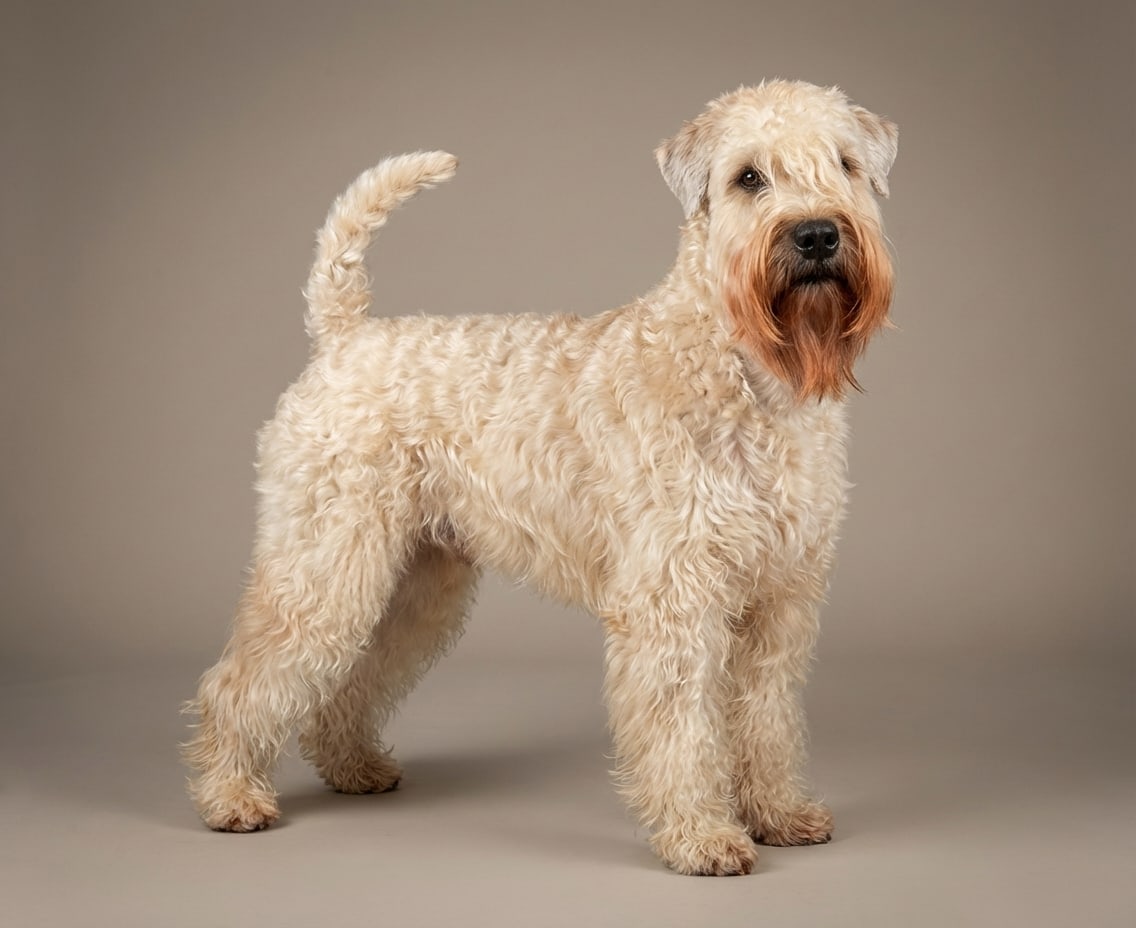
How Much to Feed a Soft Coated Wheaten Terrier
By PetEssentialist Team · Updated July 2026 · How we review
We independently research and pick every product. When you buy through our links we may earn a commission, at no extra cost to you. How this works.
The Soft Coated Wheaten Terrier's high energy level and predisposition to protein-losing kidney and gut diseases make nutrition a critical aspect of their care. Owners must balance their dog's diet to support their active lifestyle while minimizing the risk of these common health issues. A well-fed Soft Coated Wheaten Terrier is more likely to maintain a healthy weight, reducing the strain on their kidneys and gut. With their silky, low-shedding coat and happy, bouncy temperament, Soft Coated Wheaten Terriers require a diet that supports their overall health and well-being. Their high grooming needs also necessitate a balanced diet that promotes healthy skin and coat. By understanding the specific nutritional needs of this breed, owners can help prevent common health issues and ensure their Soft Coated Wheaten Terrier leads a long, healthy life. As a medium-sized breed with a typical weight range of 30-40 pounds, Soft Coated Wheaten Terriers require a diet that meets their unique needs. Their high energy level demands a balanced mix of protein, fat, and carbohydrates, while their predisposition to protein-losing diseases requires careful management of protein intake.
What to look for
Age-Based Feeding
Soft Coated Wheaten Terriers have different nutritional needs at various stages of their life. Puppies require a higher calorie intake to support growth and development, while adult dogs need a balanced diet to maintain their weight and support their high energy level. Senior dogs may require a lower calorie intake to prevent weight gain and support joint health. Owners should adjust their dog's diet accordingly to ensure they receive the necessary nutrients for optimal health.
Weight Management
Maintaining a healthy weight is crucial for Soft Coated Wheaten Terriers, as excess weight can exacerbate protein-losing diseases. Owners should monitor their dog's weight and adjust their food intake to prevent obesity. A balanced diet with the right mix of protein, fat, and carbohydrates can help support weight management and overall health.
Activity Level Considerations
Soft Coated Wheaten Terriers are highly active dogs that require a diet that supports their energy needs. Owners should consider their dog's activity level when determining the right amount of food to provide. Dogs that engage in high-intensity activities may require more calories to support their energy needs, while less active dogs may require fewer calories to prevent weight gain.
Meal Frequency and Portion Sizes
Soft Coated Wheaten Terriers are prone to gobbling their food, which can lead to digestive issues. Owners should consider feeding their dog multiple small meals throughout the day to prevent overeating and support digestive health. Portion sizes should be adjusted based on the dog's age, weight, and activity level to ensure they receive the necessary nutrients for optimal health.
Adjusting to Life Stages
As Soft Coated Wheaten Terriers age, their nutritional needs change. Owners should be prepared to adjust their dog's diet to support their changing needs, such as reducing calorie intake as they enter seniorhood. Regular check-ups with a veterinarian can help owners determine the best diet for their dog at each life stage.
Frequently asked questions
How often should I feed my Soft Coated Wheaten Terrier?
The frequency of meals for a Soft Coated Wheaten Terrier depends on their age and activity level. Puppies may require 3-4 meals per day, while adult dogs may require 2-3 meals per day. Senior dogs may require fewer meals, depending on their individual needs.
What is the ideal weight range for a Soft Coated Wheaten Terrier?
The ideal weight range for a Soft Coated Wheaten Terrier is between 30-40 pounds, depending on their age, sex, and muscle tone. Owners should monitor their dog's weight and adjust their food intake to prevent obesity and support overall health.
Can I feed my Soft Coated Wheaten Terrier a raw diet?
While some owners may consider a raw diet for their Soft Coated Wheaten Terrier, it is essential to consult with a veterinarian before making any significant changes to their diet. A raw diet may not provide the necessary nutrients for optimal health, and owners should ensure that their dog receives a balanced diet that meets their unique needs.
How can I prevent protein-losing diseases in my Soft Coated Wheaten Terrier?
Preventing protein-losing diseases in Soft Coated Wheaten Terriers requires a balanced diet that supports their overall health and well-being. Owners should work with their veterinarian to determine the best diet for their dog, and monitor their dog's health regularly to detect any potential issues early on.
What are the signs of nutritional deficiency in Soft Coated Wheaten Terriers?
Signs of nutritional deficiency in Soft Coated Wheaten Terriers may include weight loss, lethargy, and changes in coat condition. Owners should monitor their dog's health regularly and consult with a veterinarian if they notice any of these signs, as nutritional deficiencies can exacerbate protein-losing diseases and other health issues.
To keep their Soft Coated Wheaten Terrier healthy and thriving, owners must prioritize a balanced diet that meets their unique needs. By considering their dog's age, weight, and activity level, owners can provide the necessary nutrients for optimal health and reduce the risk of protein-losing diseases. Consult with a veterinarian to determine the best diet for your Soft Coated Wheaten Terrier and ensure they receive the care they need to lead a long, happy life.
More for your Soft Coated Wheaten Terrier
Other breed-matched picks worth a look.