Is a Japanese Bobtail the Right Cat for You?
By PetEssentialist Team · Updated July 2026 · How we review
We independently research and pick every product. When you buy through our links we may earn a commission, at no extra cost to you. How this works.
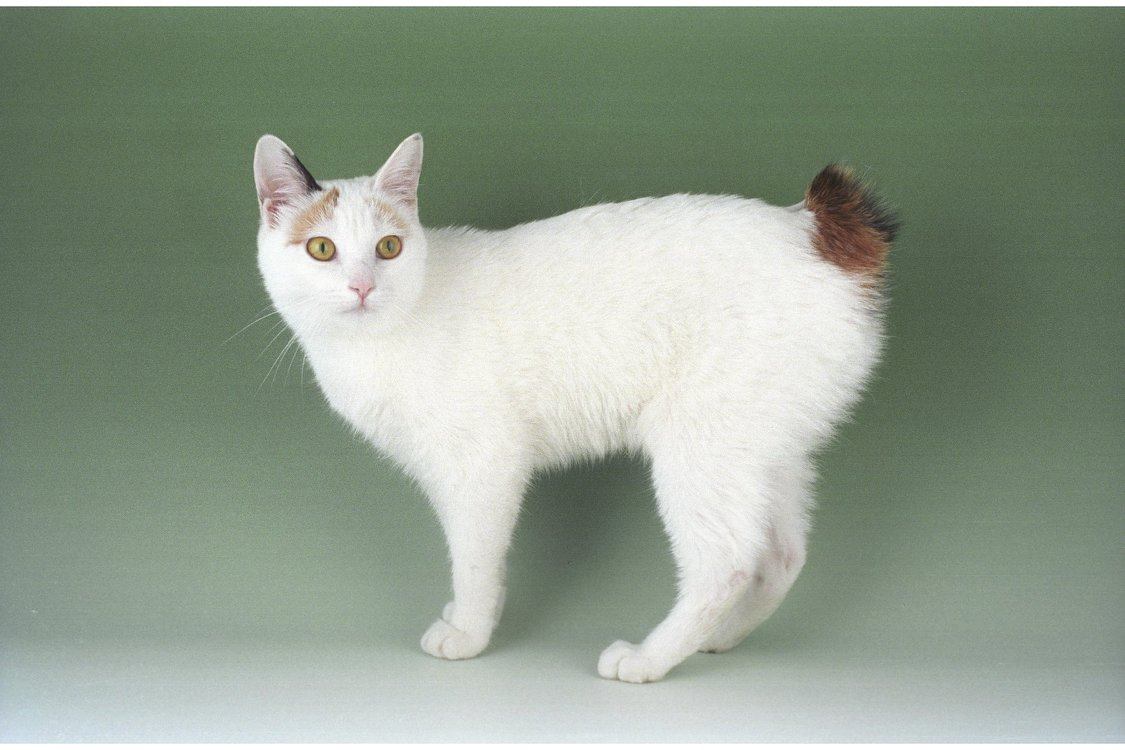
A Japanese Bobtail's distinctive pom-pom tail and lively personality can instantly capture attention. Owners of this breed often find themselves enchanted by their cat's social, intelligent, and active nature, which demands engagement and interaction. As they follow their owners from room to room, vocalizing their thoughts and needs, it becomes clear that Japanese Bobtails thrive on human connection and stimulation. Their relatively small size, typically weighing between 5-10 pounds, belies their high energy level, requiring owners to be prepared for regular play sessions and creative ways to keep them entertained. With a short or long silky coat that sheds minimally, grooming needs are low, but their overall health and happiness depend on careful attention to potential issues like dental disease, urinary problems, and heart conditions. For those considering bringing a Japanese Bobtail into their home, understanding the breed's specific needs and characteristics is crucial to ensuring a harmonious and rewarding relationship.
What to look for
Assessing Energy Levels
Prospective owners should evaluate their ability to provide the necessary physical and mental stimulation for a Japanese Bobtail. This includes dedicating time for play, possibly investing in puzzle toys, and creating a safe, cat-proofed environment that encourages exploration. A minimum of 2-3 hours of interactive play per day is recommended to keep these cats happy and healthy.
Socialization and Interaction
Given their social and vocal nature, Japanese Bobtails require owners who are willing and able to engage with them regularly. This means spending quality time with your cat, responding to their vocalizations, and possibly even teaching them tricks to keep their minds active. Lonely or quiet households might not be the best fit for this breed.
Health Considerations
Before deciding on a Japanese Bobtail, it's essential to consider the potential health issues associated with the breed. Regular veterinary check-ups, a balanced diet, and good oral hygiene practices can help mitigate risks. Owners should also be prepared for the possibility of more frequent veterinary visits and the costs associated with managing chronic conditions.
Space and Living Situation
While Japanese Bobtails are medium-sized cats, their high energy levels mean they require ample space to move around, climb, and play. Prospective owners living in small apartments or homes with limited space should carefully consider whether they can provide the necessary room for a Japanese Bobtail to thrive. Access to vertical space, such as cat shelves or climbing structures, can be particularly beneficial.
Long-term Commitment
With a lifespan of 12-16 years, owning a Japanese Bobtail is a long-term commitment. Owners should be prepared to care for their cat through various life stages, from the energetic kitten phase to the more mature, possibly less active, adult years. This includes adapting to changing health needs and ensuring a stable, loving environment throughout their cat's life.
Frequently asked questions
How often should I groom my Japanese Bobtail?
Despite their low shedding, Japanese Bobtails benefit from regular grooming to remove loose hair and distribute skin oils. A weekly brushing session of about 10-15 minutes can help keep their coat in good condition and strengthen the bond between cat and owner.
Are Japanese Bobtails suitable for families with young children?
Japanese Bobtails can make excellent family pets, given their social and affectionate nature. However, as with any breed, it's crucial to socialize them well to children and teach children how to interact gently and respectfully with cats. Supervision is key to ensuring harmonious interactions between children and Japanese Bobtails.
Can Japanese Bobtails be left alone for extended periods?
While Japanese Bobtails are adaptable, their social and vocal nature means they prefer human company. Leaving them alone for extended periods can lead to boredom, stress, or destructive behavior. If owners have busy schedules, they should consider providing additional stimulation, such as puzzle feeders or hiring a pet sitter, to keep their cat entertained and engaged.
How can I manage my Japanese Bobtail's vocalization?
Japanese Bobtails are known for their vocal nature, and managing this requires understanding what they are trying to communicate. Whether it's hunger, attention, or discomfort, responding appropriately to their vocal cues can help reduce excessive meowing. Providing adequate stimulation, ensuring their basic needs are met, and sometimes simply giving them attention can help minimize vocalization.
What are the most common health issues in Japanese Bobtails?
Japanese Bobtails are generally hardy, but they can be prone to certain health issues, including dental disease, urinary problems, heart conditions like HCM, and hairballs. Regular veterinary check-ups, good dietary habits, and maintaining a clean environment can help prevent or manage these conditions. Owners should work closely with their veterinarian to monitor their cat's health and address any issues promptly.
For the right owner, a Japanese Bobtail can be a wonderfully engaging and loyal companion. They suit active, social individuals or families who can provide the necessary stimulation, interaction, and care. By understanding and meeting the breed's specific needs, owners can build a strong, rewarding relationship with their Japanese Bobtail, enjoying the many joys this unique and charming breed has to offer.
More for your Japanese Bobtail
Other breed-matched picks worth a look.