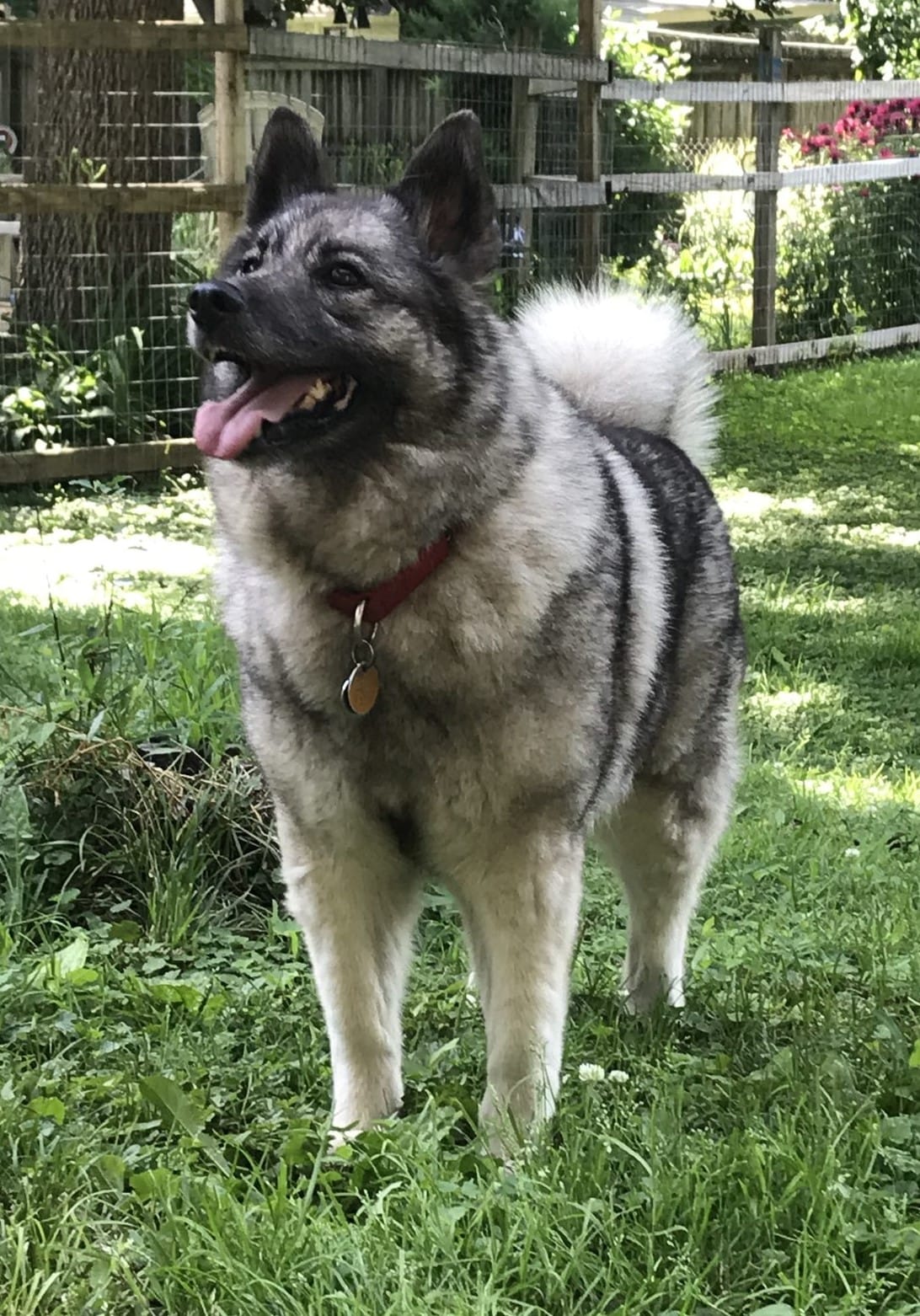
Is a Norwegian Elkhound the Right Dog for You?
By PetEssentialist Team · Updated July 2026 · How we review
We independently research and pick every product. When you buy through our links we may earn a commission, at no extra cost to you. How this works.
As the seasons change, Norwegian Elkhound owners know to expect a flurry of shedding, with their dog's dense gray coat blowing seasonally. This sturdy northern spitz breed is not for the faint of heart, requiring regular grooming and ample exercise to keep their high energy levels in check. Their bold, loyal, and friendly nature makes them a beloved companion, but potential owners must consider the significant time and space commitment required to provide the necessary care and attention. Living with a Norwegian Elkhound means embracing their hardy, vocal, and independent personality, as well as their tendency to gain weight if not properly managed. With a lifespan of 12-15 years, owners must be prepared to make a long-term commitment to their dog's health and well-being, including monitoring for common issues like hip dysplasia, PRA, and hypothyroidism. For those willing to invest the time and effort, a Norwegian Elkhound can thrive in a variety of living situations, from apartments to homes with yards, as long as they receive regular exercise and mental stimulation. However, their high energy levels and thick coat require careful consideration, making them best suited for active owners who can provide the necessary care and attention.
What to look for
Space and Exercise
Norwegian Elkhounds require regular exercise to keep their high energy levels in check, making them a great fit for active owners who enjoy outdoor activities like hiking or running. A securely fenced yard is ideal, but not essential, as long as owners can provide regular walks and playtime. However, their thick coat and shedding require regular grooming, which can be time-consuming and may not be suitable for owners with limited space or mobility.
Grooming and Shedding
The Norwegian Elkhound's thick double coat sheds heavily, particularly during seasonal changes, requiring regular brushing and grooming to prevent matting and tangling. Owners must be prepared to invest time and effort into their dog's coat care, including regular nail trimming, ear cleaning, and dental care. This breed is not suitable for owners who are not willing or able to commit to regular grooming.
Training and Socialization
Norwegian Elkhounds are known for their independent nature, making training and socialization crucial to developing good behavior and preventing unwanted habits. Owners must be patient, consistent, and positive in their training approach, using rewards and reinforcement to encourage good behavior. Early socialization is also essential to help your Norwegian Elkhound become confident and calm in new situations.
Health and Wellness
Norwegian Elkhounds are prone to certain health issues, including hip dysplasia, PRA, and hypothyroidism, making regular veterinary check-ups and monitoring essential. Owners must also be aware of the risks of Fanconi syndrome and take steps to prevent it, including maintaining a healthy weight and providing regular exercise. A balanced diet and regular health checks can help prevent or manage these conditions, ensuring your Norwegian Elkhound lives a long and healthy life.
Family and Apartment Fit
While Norwegian Elkhounds can thrive in apartments, they do require regular exercise and attention, making them best suited for families with older children who can understand and respect their needs. They can be vocal and may not be suitable for owners who live in noise-restricted areas or have nearby neighbors who may be disturbed by barking. However, with proper training and socialization, Norwegian Elkhounds can make wonderful family pets, providing love, loyalty, and companionship to their owners.
Frequently asked questions
How often should I groom my Norwegian Elkhound?
Norwegian Elkhounds require regular grooming, including daily brushing and weekly bathing, to prevent matting and tangling of their thick coat. Owners should also trim their nails, clean their ears, and provide regular dental care to prevent health issues.
Can Norwegian Elkhounds live in apartments?
Yes, Norwegian Elkhounds can thrive in apartments, but they do require regular exercise and attention. Owners must provide daily walks, playtime, and mental stimulation to prevent boredom and destructive behavior.
Are Norwegian Elkhounds good with children?
Norwegian Elkhounds can make wonderful family pets, but they are best suited for families with older children who can understand and respect their needs. They can be loyal and gentle, but may not be suitable for very young children due to their high energy levels and independent nature.
How much exercise does a Norwegian Elkhound need?
Norwegian Elkhounds require regular exercise to keep their high energy levels in check, including daily walks, playtime, and mental stimulation. They need at least 30 minutes of exercise per day, but this can vary depending on their age, size, and individual needs.
What health issues are Norwegian Elkhounds prone to?
Norwegian Elkhounds are prone to certain health issues, including hip dysplasia, PRA, hypothyroidism, and Fanconi syndrome. Regular veterinary check-ups and monitoring can help prevent or manage these conditions, ensuring your Norwegian Elkhound lives a long and healthy life.
For active owners who can provide the necessary care and attention, a Norwegian Elkhound can make a wonderful companion, offering love, loyalty, and companionship. However, this breed is not for everyone, and owners must carefully consider their lifestyle, living situation, and ability to provide regular exercise, grooming, and training before deciding to bring a Norwegian Elkhound into their home. By understanding the needs and characteristics of this breed, owners can make an informed decision and provide the best possible life for their new furry friend.
More for your Norwegian Elkhound
Other breed-matched picks worth a look.