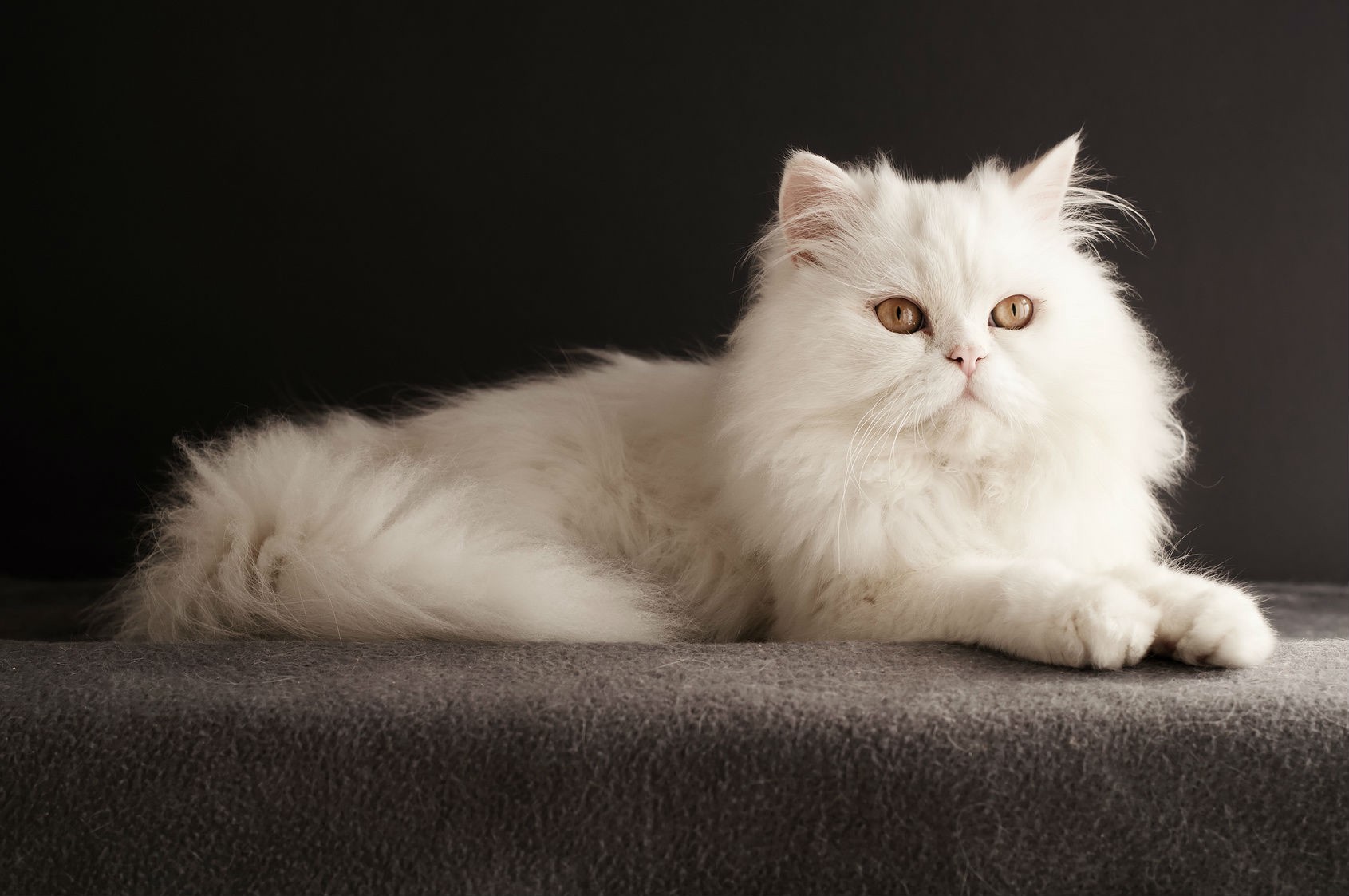
Persian cats are prone to obesity and urinary tract issues due to their low-energy lifestyle and unique physiology. As obligate carnivores, they require a diet rich in protein and low in carbohydrates to maintain optimal health. Their long, thick coat also necessitates a diet that supports skin and coat health, as well as helps to prevent hairballs.
With a lifespan of 10-17 years, Persian cats need a well-balanced diet that meets their specific nutritional needs. Their flat face and dense coat make them more susceptible to respiratory issues and skin problems, emphasizing the importance of a tailored diet. A diet that addresses their urinary tract health, weight management, and hairball control is essential for maintaining their overall health and well-being.
Given their quiet and affectionate nature, Persian cats thrive on a consistent and nutritious diet that caters to their unique requirements. As such, it is crucial to select a dry food that is specifically formulated to meet the needs of this breed, taking into account their size, coat type, and energy level.
When choosing a dry food for your Persian cat, consider their unique nutritional needs and health status. Look for formulas that support urinary tract health, weight management, and hairball control, and consult with your veterinarian to determine the best diet for your cat. By providing a well-balanced and nutritious diet, you can help to support your Persian cat's overall health and well-being.