Persian
The Persian is a medium cat known for being quiet, sweet, docile.
- Size
- medium
- Weight
- 7–12 lbs
- Life span
- 10–17 yrs
- Coat
- long thick
- Shedding
- high
- Energy
- low
Health to watch for
Common breed predispositions — not a diagnosis. Always consult your vet.
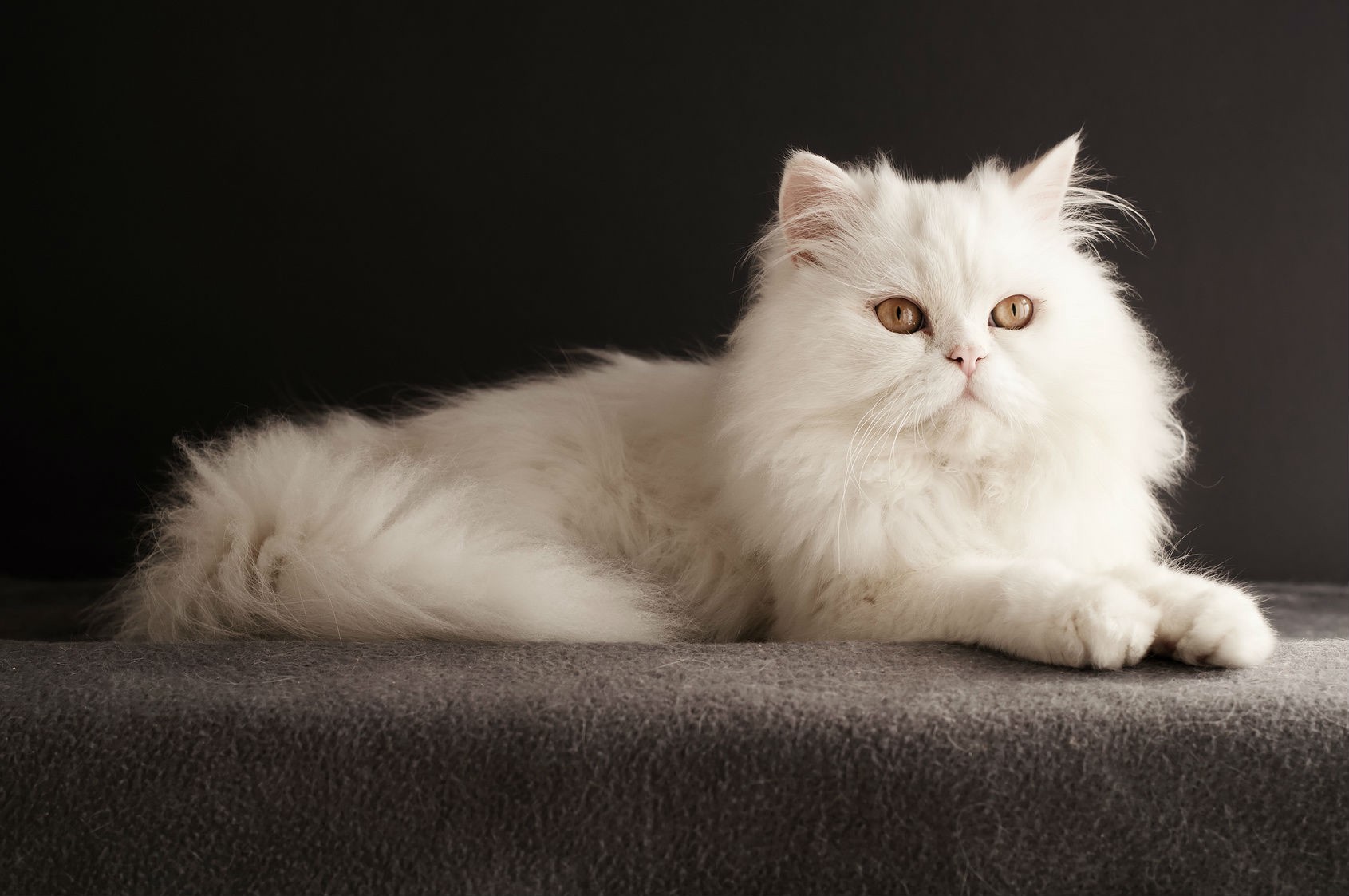
One surprising fact about Persian cats is that their beautiful, long coats require daily grooming to prevent matting and tangling, which can be painful for the cat. This high-maintenance grooming need is often overlooked by new owners, but it's essential for the cat's comfort and health.
Persian cats are known for their quiet, sweet, and docile nature, making them a great fit for families with children or for people who want a low-maintenance pet. However, their flat face and low energy level mean they require careful consideration when it comes to exercise and playtime.
With a lifespan of 10-17 years, Persian cats can be a long-term companion, but they do come with some common health issues, including PKD, brachycephalic airway, dental disease, tear staining, and hairballs. Regular veterinary check-ups and a balanced diet can help mitigate these issues.
Grooming Needs
Persian cats require daily grooming to prevent matting and tangling of their long, thick coat. This can be a time-consuming task, but it's essential for the cat's comfort and health. Owners should invest in a good quality brush and comb, and be prepared to spend at least 30 minutes per day grooming their cat.
Exercise and Enrichment
Despite their low energy level, Persian cats still need regular exercise and enrichment to stay happy and healthy. This can include playtime with toys, scratching posts, and climbing structures. However, owners should be careful not to over-exert their cat, as this can lead to breathing difficulties.
Feeding Considerations
Persian cats are prone to obesity, so owners should monitor their food intake carefully. A balanced diet that includes plenty of protein and limited carbohydrates is essential, and owners should avoid overfeeding their cat. Additionally, Persian cats are prone to dental disease, so owners should consider a dental-friendly diet and regular dental check-ups.
Health Considerations
Persian cats are prone to several common health issues, including PKD, brachycephalic airway, dental disease, tear staining, and hairballs. Owners should be aware of these issues and take steps to prevent them, such as regular veterinary check-ups and a balanced diet. Additionally, owners should consider investing in pet insurance to cover unexpected veterinary bills.
Cost and Commitment
Owning a Persian cat can be a significant financial commitment, with costs including food, veterinary care, and grooming supplies. Owners should be prepared to spend at least $1,000 per year on their cat's care, and should consider investing in pet insurance to cover unexpected expenses. Additionally, owners should be prepared to commit to daily grooming and regular veterinary check-ups.
Persian FAQ
How often should I groom my Persian cat?
Persian cats require daily grooming to prevent matting and tangling of their long, thick coat. This can be a time-consuming task, but it's essential for the cat's comfort and health. Owners should aim to spend at least 30 minutes per day grooming their cat.
Can Persian cats be left alone for long periods?
While Persian cats are generally quiet and low-maintenance, they still require regular attention and care. Owners should not leave their cat alone for long periods, as this can lead to boredom, stress, and health problems. Instead, owners should consider investing in puzzle toys and scratching posts to keep their cat entertained.
What kind of diet is best for my Persian cat?
Persian cats require a balanced diet that includes plenty of protein and limited carbohydrates. Owners should consider a high-quality commercial cat food or a raw diet, and should avoid overfeeding their cat. Additionally, Persian cats are prone to dental disease, so owners should consider a dental-friendly diet and regular dental check-ups.
How can I prevent tear staining in my Persian cat?
Tear staining is a common issue in Persian cats, but it can be prevented with regular grooming and eye care. Owners should wipe their cat's eyes daily with a damp cloth, and should consider using a tear stain remover to prevent staining. Additionally, owners should ensure that their cat's eyes are clear and free of debris, and should seek veterinary attention if they notice any signs of infection.
Can Persian cats be trained?
While Persian cats are not as easily trainable as some other breeds, they can still learn basic commands and behaviors with patience and consistency. Owners should use positive reinforcement techniques, such as treats and praise, to encourage good behavior and discourage bad behavior. With time and effort, Persian cats can learn to obey basic commands and become well-behaved pets.
Top picks for Persians
- Best Wet Food for Persians →
- Best Scratching Posts for Persians →
- Best Beds for Persians →
- Best Litter Boxes for Persians →
- Best Litter for Persians →
- Best Cat Trees for Persians →
- Best Water Fountains for Persians →
- Best Dry Food for Persians →
- Best Brushes for Persians →
- Best Toys for Persians →
- Best Calming Aids for Persians →
- Best Harnesses for Persians →
- Best Nail Clippers for Persians →
- Best Carriers for Persians →
- Best Treats for Persians →
- Best Dental Treats for Persians →