PetEssentialistFind picks 🐾

🐾 Get the best breed-matched picks & deals in your inbox

Best Food for Pugs

We independently research and pick every product. When you buy through our links we may earn a commission, at no extra cost to you. How this works.

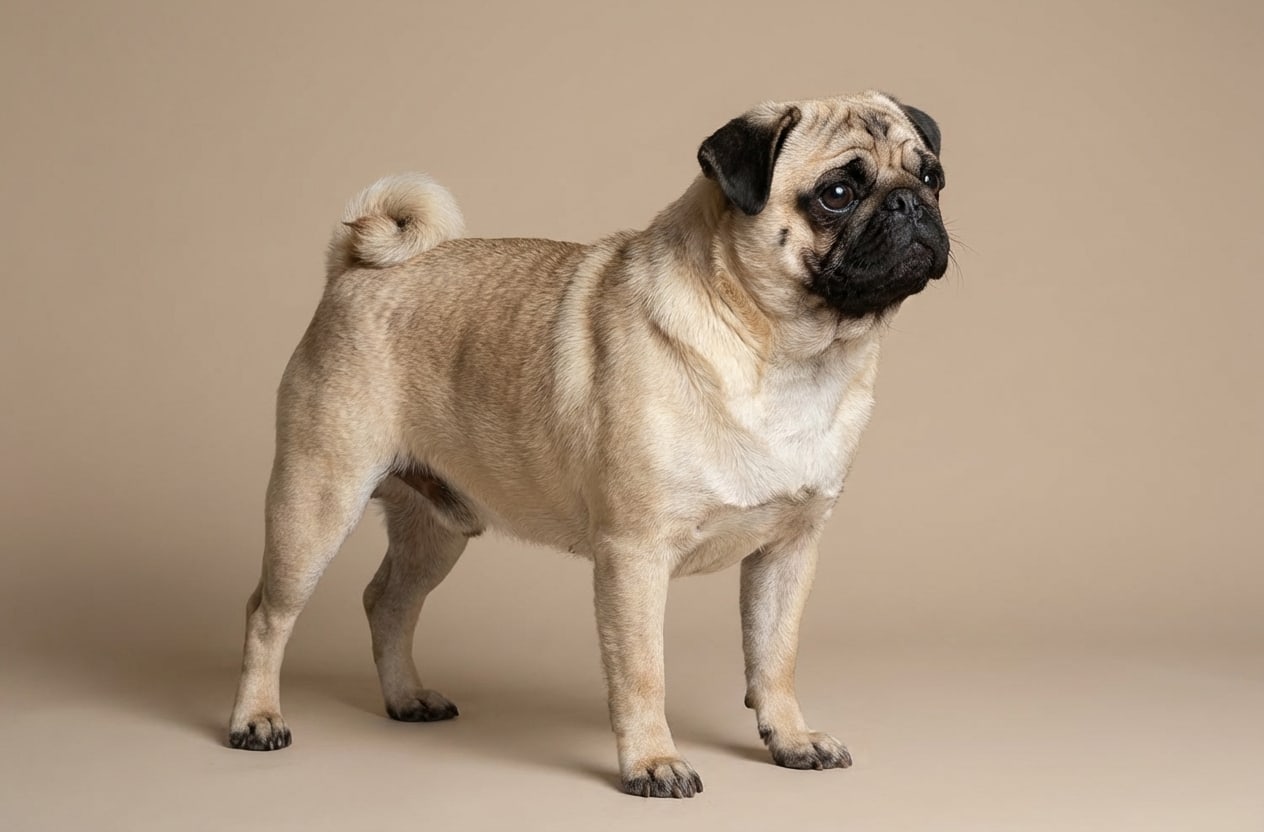
Pugs are prone to obesity, which can exacerbate their existing brachycephalic airway issues and skin fold dermatitis. As a result, their diet plays a crucial role in maintaining a healthy weight and preventing these conditions. With their low energy levels, Pugs require a balanced and nutrient-rich food that meets their specific calorie needs without overfeeding. A Pug's metabolism is slower than that of other breeds, making it essential to choose a food that is easy to digest and rich in nutrients. Their sensitive stomachs also require a food that is gentle and less likely to cause digestive issues. Furthermore, Pugs are at risk of joint problems due to their compact size and weight, so a food that provides joint support is vital. Given these unique needs, selecting the right food for a Pug can be a challenging task. However, by considering factors such as calorie density, ingredient quality, and nutritional support, owners can make an informed decision that meets their Pug's specific requirements.

What to look for

Calorie Density

Pugs require a food that is balanced in terms of calorie density, providing enough energy to support their daily activities without contributing to obesity. A food with moderate calorie density, around 350-400 kcal/cup, is suitable for Pugs. Owners should also monitor their Pug's weight and adjust the food quantity accordingly.

Ingredient Quality

High-quality ingredients are essential for Pugs, as they are prone to digestive issues. A food with easily digestible ingredients, such as chicken or salmon, and whole grains like brown rice or oats, can help support their sensitive stomachs. Owners should avoid fillers and by-products, which can exacerbate digestive problems.

Nutritional Support

Pugs require a food that provides adequate nutritional support for their joints, skin, and coat. A food rich in omega-3 fatty acids, glucosamine, and chondroitin can help support their joint health and reduce the risk of skin fold dermatitis. Additionally, a food with antioxidants and vitamins can help protect their skin and coat.

Kibble Size and Shape

Pugs have a unique jaw structure and dental alignment, making it essential to choose a food with kibble that is easy to chew and swallow. A smaller kibble size, around 1/4 inch in diameter, can help reduce the risk of choking and make mealtime more comfortable for Pugs.

Our top picks

1

Purina Pro Plan Pro Plan Sport Active 30/20 Chicken & Rice Formula

Best for Pugs with high energy levels or those that require joint support

This food is suitable for Pugs that require a balanced and nutrient-rich diet. The 30/20 protein-to-fat ratio provides sustained energy, while the glucosamine and EPA support joint health. The smaller kibble size also makes it easy for Pugs to chew and swallow.

  • High-quality protein sources
  • Joint support with glucosamine and EPA
  • Smaller kibble size for easy chewing
  • May not be suitable for Pugs with severe digestive issues
Check price →
2

Hill's Science Diet Science Diet Adult Sensitive Stomach & Skin Chicken & Barley

Best for Pugs with sensitive stomachs or skin issues

This food is designed for Pugs with sensitive stomachs and skin issues. The prebiotic fiber and vitamin E help support digestive health and skin health, while the easily digestible ingredients reduce the risk of adverse reactions.

  • Gentle on sensitive stomachs
  • Supports skin health with vitamin E and omega-6
  • Easily digestible ingredients
  • May not provide enough joint support for Pugs with mobility issues
Check price →
3

Royal Canin Breed-Specific Dry Dog Food

Best for Pugs that require a tailored diet for their specific breed needs

This food is designed specifically for Pugs, taking into account their unique breed characteristics. The tailored macronutrient ratios and kibble shape support their digestive health and reduce the risk of obesity.

  • Tailored to Pug breed needs
  • Supports digestive health
  • Reduces risk of obesity
  • May be more expensive than other options
Check price →
4

Blue Buffalo Life Protection Formula Adult Chicken & Brown Rice

Best for Pugs that require a balanced and nutrient-rich diet with antioxidant support

This food provides a balanced and nutrient-rich diet for Pugs, with antioxidant support from LifeSource Bits. The chicken and brown rice ingredients are easily digestible, making it suitable for Pugs with sensitive stomachs.

  • Balanced and nutrient-rich
  • Antioxidant support
  • Easily digestible ingredients
  • May not provide enough joint support for Pugs with mobility issues
Check price →
5

Purina Pro Plan Pro Plan Adult Complete Essentials Shredded Blend

Best for Pugs that require a balanced and nutrient-rich diet with probiotic support

This food provides a balanced and nutrient-rich diet for Pugs, with probiotic support for digestive health. The shredded blend texture can help reduce the risk of choking, making it suitable for Pugs with unique jaw structures.

  • Balanced and nutrient-rich
  • Probiotic support
  • Reduced risk of choking
  • May not provide enough joint support for Pugs with mobility issues
Check price →

Frequently asked questions

What is the best food for a Pug with a sensitive stomach?

For Pugs with sensitive stomachs, a food that is gentle and easily digestible is essential. Consider a food with prebiotic fiber, vitamin E, and omega-6 fatty acids to support digestive health and skin health.

How often should I feed my Pug?

Pugs require a balanced diet that is divided into 2-3 meals per day. The frequency and amount of food will depend on your Pug's age, weight, and activity level. Consult with your veterinarian to determine the best feeding schedule for your Pug.

Can I give my Pug table scraps?

It is not recommended to give your Pug table scraps, as they can be high in calories, fat, and sodium. Table scraps can also disrupt your Pug's balanced diet and lead to digestive issues. Instead, consider healthy treats that are specifically formulated for Pugs.

How can I help my Pug lose weight?

To help your Pug lose weight, consider a food that is low in calories and fat. Increase your Pug's physical activity through short walks and playtime, and monitor their food intake to ensure they are not overeating. Consult with your veterinarian to determine the best weight loss plan for your Pug.

What are the most common health issues in Pugs?

Pugs are prone to several health issues, including obesity, brachycephalic airway syndrome, skin fold dermatitis, and joint problems. Regular veterinary check-ups and a balanced diet can help reduce the risk of these conditions.

When choosing the right food for your Pug, consider their unique breed characteristics, such as their slow metabolism and sensitive stomach. A balanced and nutrient-rich diet that provides joint support and is easy to digest is essential for maintaining their overall health and well-being. Consult with your veterinarian to determine the best food for your Pug based on their individual needs and health status.