Balinese
The Balinese is a medium cat known for being vocal, affectionate, intelligent.
- Size
- medium
- Weight
- 5–10 lbs
- Life span
- 12–20 yrs
- Coat
- long silky single
- Shedding
- low
- Energy
- high
Health to watch for
Common breed predispositions — not a diagnosis. Always consult your vet.
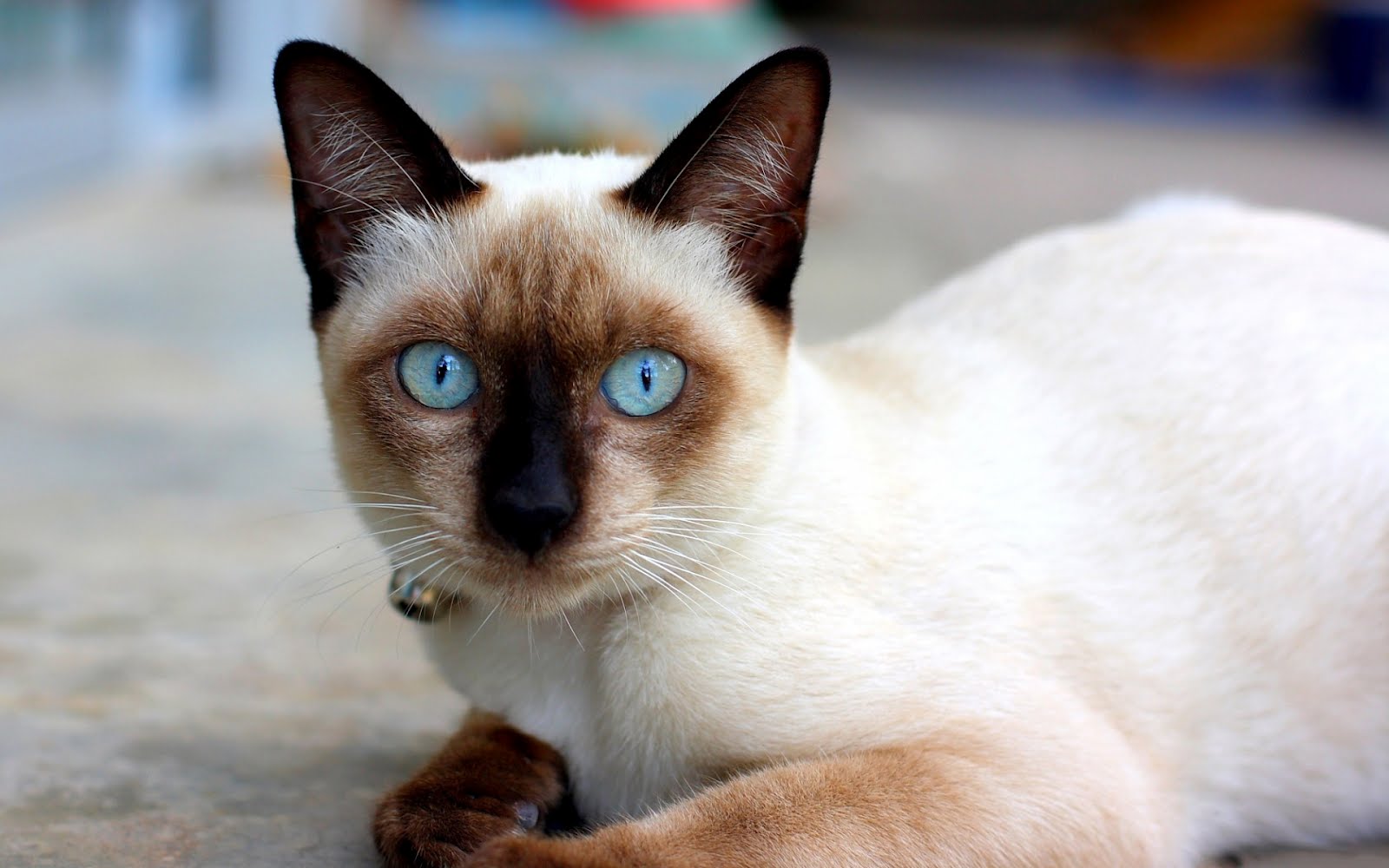
The Balinese breed's striking appearance and charming personality make them a popular choice among cat owners. With a typical weight range of 5-10 pounds and a lifespan of 12-20 years, these medium-sized cats require attention to their specific needs to thrive. Their long, silky single coat and low shedding rate make them a great choice for those who want a low-maintenance grooming routine.
Their high energy level and playful nature mean they require regular exercise and stimulation to prevent boredom and stress. As a vocal and affectionate breed, they also demand attention and interaction from their owners. Understanding the unique characteristics of the Balinese breed is essential to providing the best possible care and ensuring a happy and healthy relationship.
As a long-haired Siamese variant, the Balinese is prone to certain health issues, including HCM, PRA, crossed eyes, and amyloidosis, which must be considered when planning their care and making financial decisions.
Temperament & Socialization
The Balinese breed is known for being vocal, affectionate, and intelligent. They thrive on interaction and attention from their owners, making them a great choice for families or individuals who can devote time to play and socialization. Early socialization is crucial to develop good behavior and prevent unwanted habits. Providing a stimulating environment with plenty of toys and scratching posts can help to keep them entertained and engaged.
Grooming & Coat Care
Despite their long, silky coat, the Balinese breed has a low shedding rate and requires minimal grooming. A weekly brushing session is sufficient to prevent matting and tangling, and to distribute skin oils for a healthy coat. However, their single coat means they may be more susceptible to temperature extremes, so owners should take care to provide a comfortable environment.
Exercise & Enrichment
The high energy level of the Balinese breed means they require regular exercise and mental stimulation to prevent boredom and stress. Engaging toys, scratching posts, and climbing structures can help to keep them active and entertained. Owners should also consider providing regular playtime and interaction to satisfy their social and affectionate nature.
Feeding & Nutrition
The Balinese breed's medium size and high energy level mean they require a balanced diet that meets their nutritional needs. Owners should consider a high-quality cat food that is rich in protein and low in carbohydrates, and that is formulated to support their specific life stage and health status. Consulting with a veterinarian can help to determine the best diet for an individual cat.
Cost & Commitment
The Balinese breed's relatively long lifespan and potential health issues mean that owners should be prepared to make a long-term commitment to their care. The cost of owning a Balinese cat can range from moderate to high, depending on factors such as food, veterinary care, and supplies. Owners should also consider the cost of potential health issues and plan accordingly, either through pet insurance or a savings plan.
Balinese FAQ
How often should I groom my Balinese cat?
The Balinese breed requires minimal grooming, but regular brushing can help to prevent matting and tangling. A weekly brushing session is sufficient, and owners should also keep an eye out for any signs of skin irritation or coat damage.
Why is my Balinese cat so vocal?
The Balinese breed is known for being vocal and affectionate, and they often use their voice to communicate with their owners. This can be a sign of attention-seeking, boredom, or anxiety, so owners should try to identify the underlying cause and respond accordingly.
Can Balinese cats be left alone for long periods?
The Balinese breed is highly social and demands attention and interaction from their owners. While they can be left alone for short periods, it's not recommended to leave them alone for extended periods, as this can lead to boredom, stress, and behavioral problems.
How much exercise does a Balinese cat need?
The Balinese breed requires regular exercise and mental stimulation to prevent boredom and stress. Engaging toys, scratching posts, and climbing structures can help to keep them active and entertained, and owners should also consider providing regular playtime and interaction.
Are Balinese cats prone to any specific health issues?
Yes, the Balinese breed is prone to certain health issues, including HCM, PRA, crossed eyes, and amyloidosis. Owners should be aware of these potential issues and take steps to prevent or manage them, either through regular veterinary check-ups or genetic testing.
Top picks for Balineses
- Best Dry Food for Balineses →
- Best Wet Food for Balineses →
- Best Treats for Balineses →
- Best Scratching Posts for Balineses →
- Best Litter Boxes for Balineses →
- Best Dental Treats for Balineses →
- Best Cat Trees for Balineses →
- Best Litter for Balineses →
- Best Beds for Balineses →
- Best Water Fountains for Balineses →
- Best Toys for Balineses →
- Best Carriers for Balineses →
- Best Brushes for Balineses →
- Best Nail Clippers for Balineses →
- Best Calming Aids for Balineses →
- Best Harnesses for Balineses →