Is a Balinese the Right Cat for You?
By PetEssentialist Team · Updated July 2026 · How we review
We independently research and pick every product. When you buy through our links we may earn a commission, at no extra cost to you. How this works.
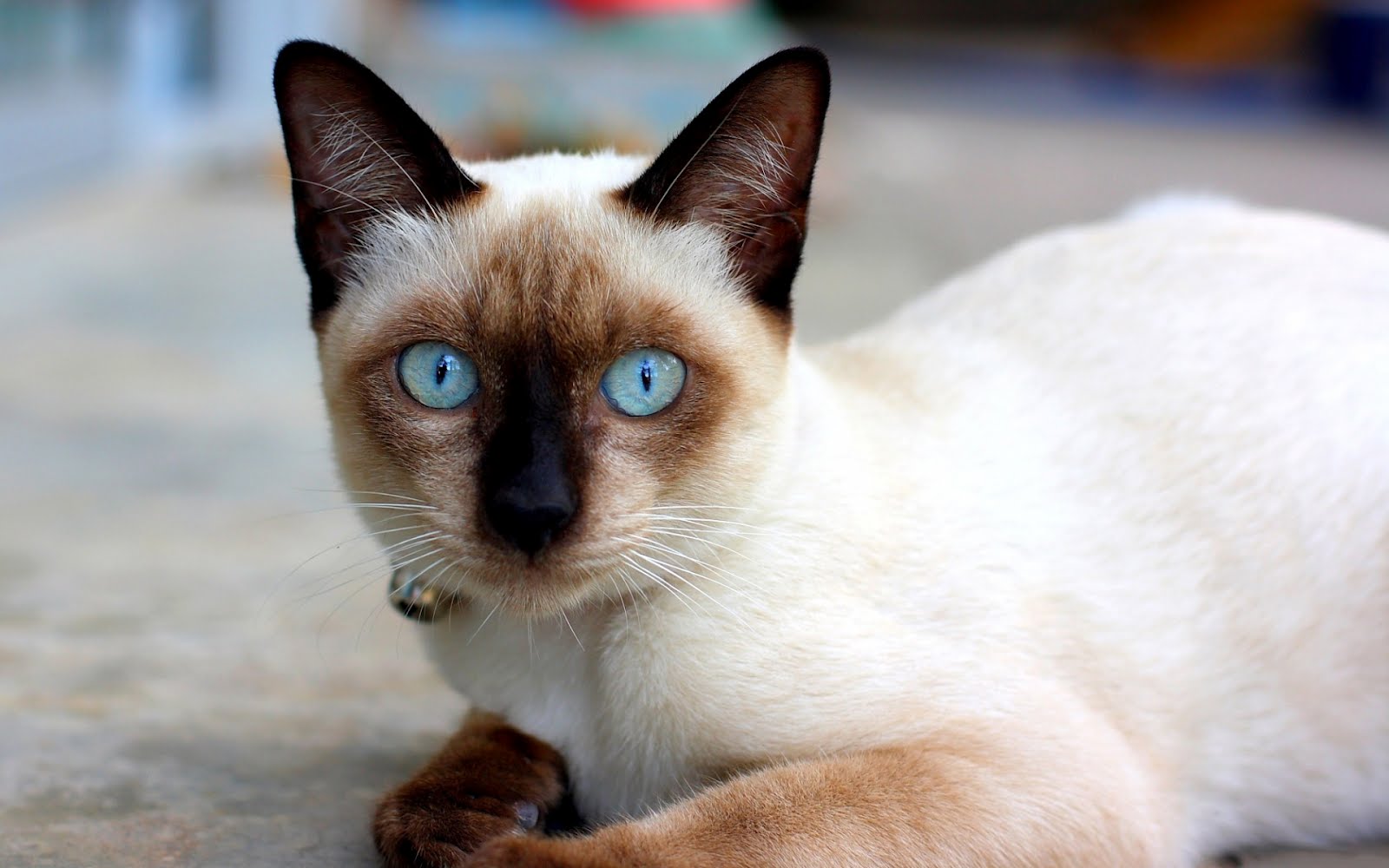
For those who enjoy lively conversations, the Balinese cat's vocal nature can be a blessing. Their affectionate and intelligent personalities make them ideal companions for owners who appreciate interactive pets. However, their high energy levels and potential health issues require careful consideration. The Balinese breed, with its long, silky single coat, is often described as a long-haired Siamese. Their low shedding and low grooming needs make them a practical choice for busy owners. Nevertheless, their clingy nature and need for attention demand a significant time commitment. With a lifespan of 12-20 years, owning a Balinese cat is a long-term investment. It is essential to understand their specific needs and potential health issues, such as HCM, PRA, crossed eyes, and amyloidosis, to provide the best possible care.
What to look for
Assessing Your Lifestyle
Before deciding to bring a Balinese cat into your home, it is crucial to assess your lifestyle. Consider your work schedule, travel frequency, and ability to provide regular attention and exercise. Balinese cats thrive on interaction and can become destructive if left alone for extended periods. A minimum of 2-3 hours of dedicated playtime and attention per day is recommended.
Understanding Their Health Needs
Balinese cats are prone to specific health issues, such as HCM and PRA. Regular veterinary check-ups and a healthy diet can help prevent or manage these conditions. It is essential to research and understand the potential health risks associated with the breed and plan accordingly.
Preparing Your Home
Balinese cats are high-energy pets that require ample space to move and play. A medium to large-sized home with plenty of vertical space, such as cat trees and scratching posts, is ideal. Additionally, their vocal nature means they may not be suitable for apartment living or noise-restricted areas.
Budgeting for Care and Expenses
The cost of owning a Balinese cat goes beyond the initial purchase price. Consider the expenses associated with regular veterinary care, high-quality food, and supplies. A budget of at least $500-700 per year is recommended to ensure the best possible care for your pet.
Researching Reputable Breeders
When purchasing a Balinese cat, it is essential to research reputable breeders who prioritize the health and well-being of their cats. Look for breeders who provide health guarantees, genetic testing, and transparent information about the cat's ancestry and health history.
Frequently asked questions
How often should I groom my Balinese cat?
Despite their long, silky coat, Balinese cats have low grooming needs. A weekly brushing session of 10-15 minutes is sufficient to prevent matting and tangling. However, their coat may require more frequent grooming during shedding seasons.
Are Balinese cats suitable for families with young children?
Balinese cats can make excellent family pets, but their high energy levels and potential fragility require careful consideration. It is essential to teach children how to handle and interact with the cat gently and respectfully to avoid any injuries or stress.
Can Balinese cats be left alone for extended periods?
No, Balinese cats are highly social and require regular attention and interaction. Leaving them alone for extended periods can lead to destructive behavior, anxiety, and depression. If you have a busy schedule, consider hiring a pet sitter or asking a trusted neighbor to check in on your cat.
How can I manage my Balinese cat's vocal nature?
Balinese cats are known for their vocal nature, but there are ways to manage their meowing. Provide plenty of attention and playtime, and engage your cat in interactive toys and activities to reduce boredom and stress. You can also try ignoring the meowing and rewarding quiet behavior.
What are the common health issues associated with Balinese cats?
Balinese cats are prone to specific health issues, such as HCM, PRA, crossed eyes, and amyloidosis. Regular veterinary check-ups, genetic testing, and a healthy diet can help prevent or manage these conditions. It is essential to research and understand the potential health risks associated with the breed and plan accordingly.
The Balinese breed is ideal for owners who appreciate interactive pets and are willing to provide the necessary attention and care. If you can commit to regular playtime, veterinary check-ups, and a healthy lifestyle, a Balinese cat can make a loving and loyal companion. Prioritize their specific needs, and you will be rewarded with a lifelong friendship.
More for your Balinese
Other breed-matched picks worth a look.