Chesapeake Bay Retriever
The Chesapeake Bay Retriever is a large dog known for being loyal, bright, protective.
- Size
- large
- Weight
- 55–80 lbs
- Life span
- 10–13 yrs
- Coat
- short wavy double
- Shedding
- moderate
- Energy
- high
Health to watch for
Common breed predispositions — not a diagnosis. Always consult your vet.
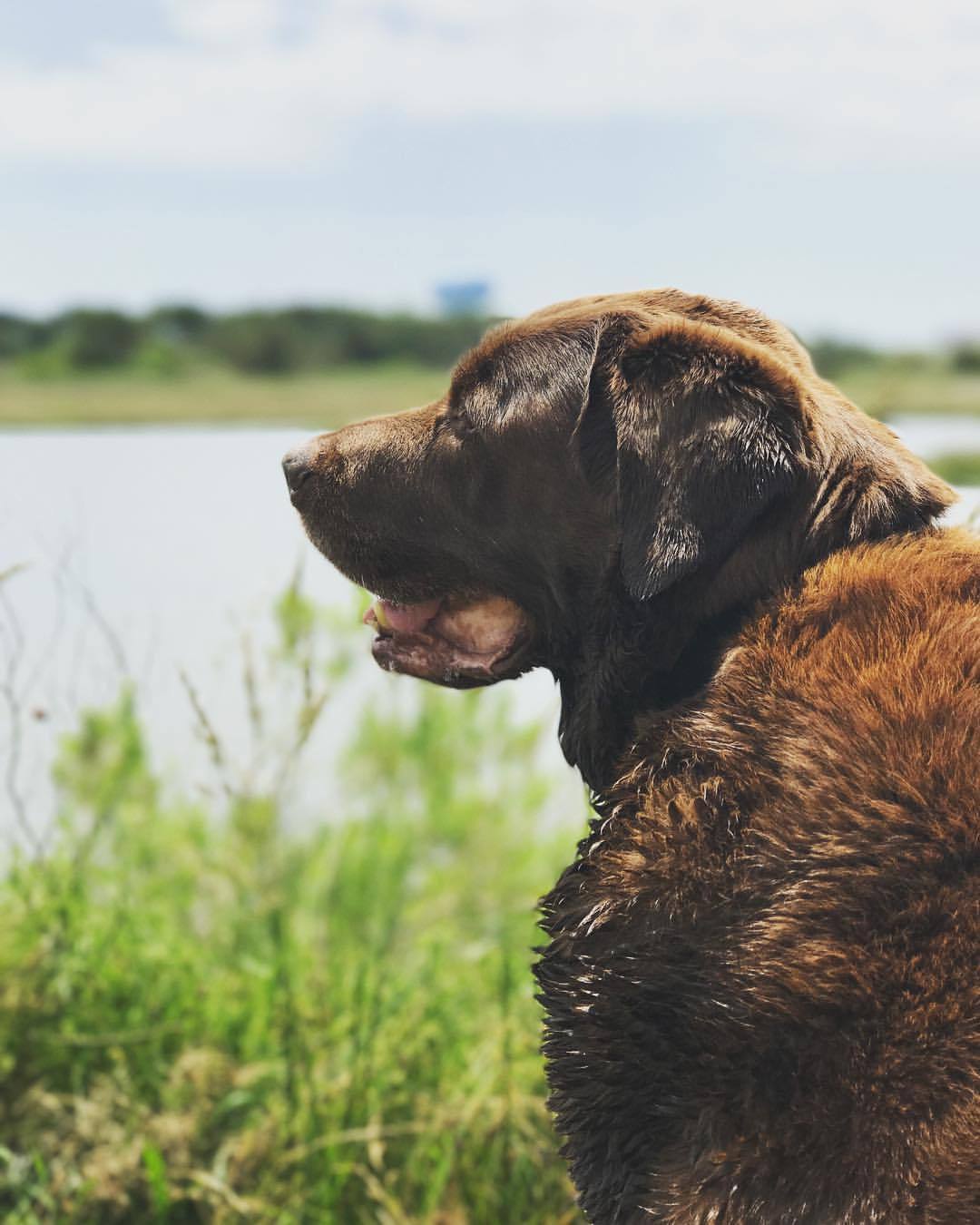
The Chesapeake Bay Retriever's high energy level and strong work drive make exercise and mental stimulation crucial to their well-being. This breed thrives on physical and mental challenges, requiring a committed owner who can provide ample opportunities for activity and engagement.
Their short, wavy double coat, while low-maintenance, still requires regular grooming to prevent matting and tangling. Additionally, their oily, water-resistant coat needs occasional cleaning to prevent dirt and debris buildup.
As a loyal and protective breed, Chesapeake Bay Retrievers bond strongly with their families, making them excellent companions for active households. However, their independent nature demands consistent training and socialization to ensure they interact well with people and other animals.
Exercise and Enrichment
Chesapeake Bay Retrievers require at least 1-2 hours of exercise daily, including a combination of physical activity and mental stimulation. Engage them in activities like running, swimming, and fetch, and provide puzzle toys and scent work to challenge their minds. A tired Chesapeake Bay Retriever is a happy one, reducing the likelihood of destructive behavior and stress.
Grooming and Coat Care
Despite their low-maintenance coat, Chesapeake Bay Retrievers still need regular brushing to prevent matting and tangling. Clean their coat occasionally to remove dirt and debris, and trim their nails regularly to prevent overgrowth. Their oily coat requires balanced shampooing to maintain its natural water-resistance.
Feeding and Nutrition
Chesapeake Bay Retrievers are prone to bloat and hip dysplasia, making a balanced diet crucial to their health. Feed a high-quality dog food that meets their nutritional needs, and consider a large-breed formula to support joint health. Monitor their food intake to prevent overeating, which can exacerbate health issues.
Training and Socialization
Chesapeake Bay Retrievers are intelligent and independent, requiring consistent training and socialization from an early age. Establish clear boundaries and rules, and engage them in positive reinforcement training to encourage good behavior. Socialize them extensively to people, animals, and environments to ensure they develop into confident and calm companions.
Health and Veterinary Care
Chesapeake Bay Retrievers are prone to several health issues, including hip dysplasia, PRA, and von Willebrand disease. Regular veterinary check-ups and monitoring can help identify potential issues early, and preventative care like hip evaluations and eye exams can help mitigate the risk of these conditions.
Chesapeake Bay Retriever FAQ
How often should I exercise my Chesapeake Bay Retriever?
Chesapeake Bay Retrievers require at least 1-2 hours of exercise daily, including a combination of physical activity and mental stimulation. This can be broken down into shorter sessions throughout the day, depending on your schedule and the dog's individual needs.
Can Chesapeake Bay Retrievers be left alone for extended periods?
While Chesapeake Bay Retrievers can tolerate some alone time, they thrive on interaction and engagement. Leaving them alone for extended periods can lead to boredom, stress, and destructive behavior. If you have a busy schedule, consider hiring a dog walker or asking a friend to visit your dog during the day.
Are Chesapeake Bay Retrievers good with children?
Chesapeake Bay Retrievers can make excellent family dogs, but they do require socialization and training to interact well with children. Supervise interactions between dogs and young children, and teach children how to interact with dogs gently and respectfully.
How often should I groom my Chesapeake Bay Retriever?
Chesapeake Bay Retrievers have a low-maintenance coat, but they still require regular grooming to prevent matting and tangling. Brush their coat at least 2-3 times a week, and clean it occasionally to remove dirt and debris.
What health issues should I be aware of in Chesapeake Bay Retrievers?
Chesapeake Bay Retrievers are prone to several health issues, including hip dysplasia, PRA, bloat, and von Willebrand disease. Regular veterinary check-ups and monitoring can help identify potential issues early, and preventative care like hip evaluations and eye exams can help mitigate the risk of these conditions.
Top picks for Chesapeake Bay Retrievers
- Best Treats for Chesapeake Bay Retrievers →
- Best Food for Chesapeake Bay Retrievers →
- Best Harnesses for Chesapeake Bay Retrievers →
- Best Brushes for Chesapeake Bay Retrievers →
- Best Leashes for Chesapeake Bay Retrievers →
- Best Beds for Chesapeake Bay Retrievers →
- Best Dental Chews for Chesapeake Bay Retrievers →
- Best Crates for Chesapeake Bay Retrievers →
- Best Nail Clippers for Chesapeake Bay Retrievers →
- Best Collars for Chesapeake Bay Retrievers →
- Best Shampoo for Chesapeake Bay Retrievers →
- Best Toys for Chesapeake Bay Retrievers →
- Best Jackets & Coats for Chesapeake Bay Retrievers →
- Best Joint Supplements for Chesapeake Bay Retrievers →
- Best Chew Toys for Chesapeake Bay Retrievers →
- Best Training Pads for Chesapeake Bay Retrievers →
- Best Cooling Mats for Chesapeake Bay Retrievers →
- Best Ear Cleaners for Chesapeake Bay Retrievers →