Common Chesapeake Bay Retriever Health Issues to Watch For
By PetEssentialist Team · Updated July 2026 · How we review
We independently research and pick every product. When you buy through our links we may earn a commission, at no extra cost to you. How this works.
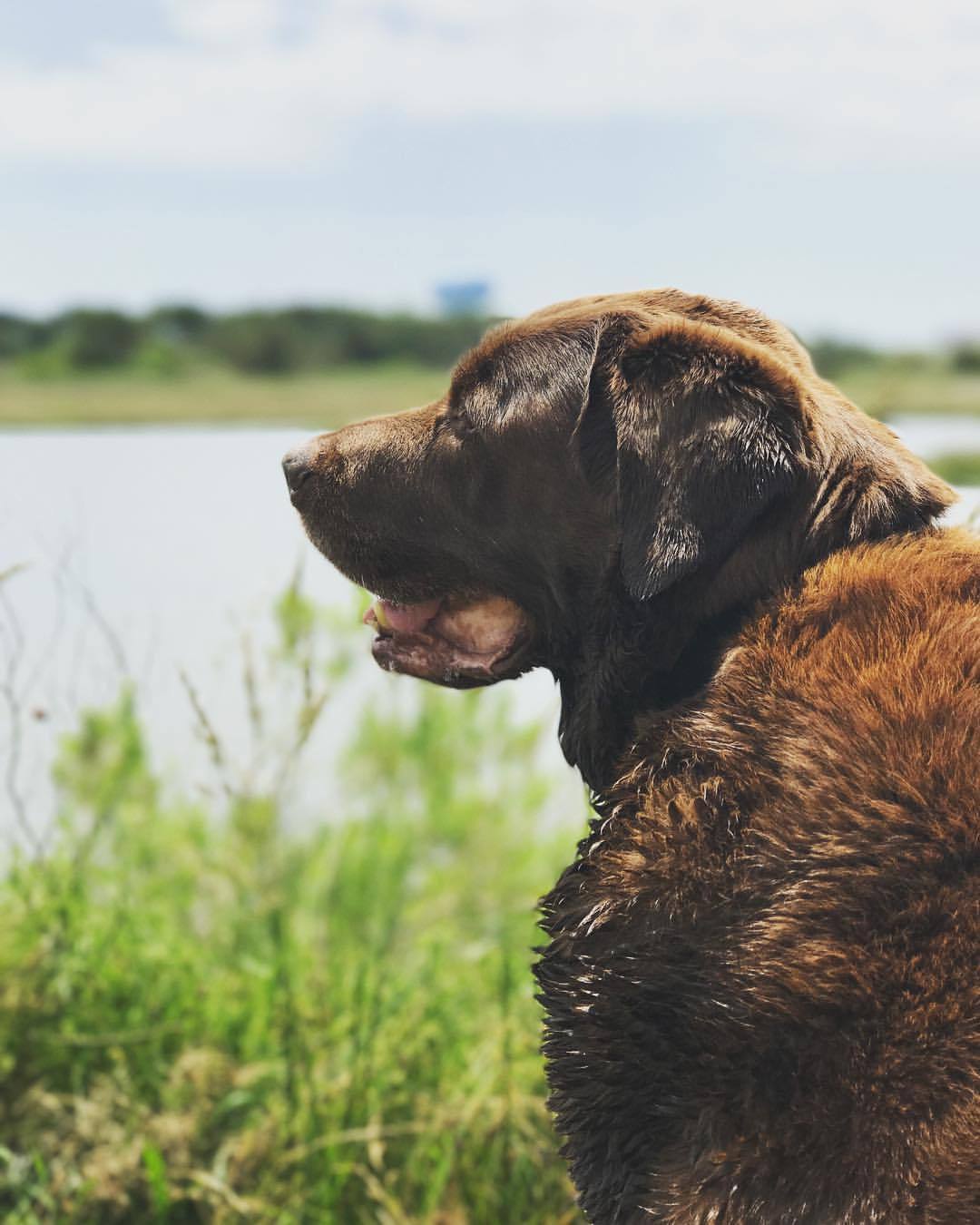
The Chesapeake Bay Retriever's short, wavy double coat is not just a distinctive feature - it's also a key factor in their overall health. Their oily, water-resistant coat requires regular maintenance to prevent skin issues. As a large, high-energy breed, Chesapeake Bay Retrievers are prone to specific health issues that owners should be aware of. With their loyal and protective temperament, it's essential for owners to prioritize their health and well-being. Regular check-ups and preventative care can help identify potential issues before they become major problems. Chesapeake Bay Retrievers are tough and independent working retrievers, but they still require careful attention to their health. By understanding the common health issues that affect this breed, owners can take proactive steps to keep their dogs happy and healthy.
What to look for
Monitor for Hip Dysplasia
Chesapeake Bay Retrievers are prone to hip dysplasia, a genetic condition that can lead to arthritis and mobility issues. Owners should work with their veterinarian to monitor their dog's hip health and take preventative measures such as maintaining a healthy weight and providing regular exercise. Regular check-ups can help identify potential issues before they become major problems. It's essential to start monitoring for hip dysplasia from an early age, ideally from 12-18 months.
Watch for Signs of Bloat
Bloat, also known as gastric dilatation-volvulus (GDV), is a life-threatening condition that can affect Chesapeake Bay Retrievers. Owners should be aware of the signs of bloat, including restlessness, pacing, and vomiting, and seek immediate veterinary attention if they suspect their dog is experiencing bloat. Preventative measures such as feeding multiple small meals and avoiding exercise after eating can help reduce the risk of bloat.
Prioritize Eye Health
Chesapeake Bay Retrievers are prone to progressive retinal atrophy (PRA), a genetic condition that can lead to blindness. Owners should work with their veterinarian to monitor their dog's eye health and take preventative measures such as providing regular eye exams and maintaining a healthy diet. It's essential to start monitoring for PRA from an early age, ideally from 12-18 months.
Be Aware of von Willebrand Disease
Von Willebrand disease is a genetic condition that can affect Chesapeake Bay Retrievers, causing bleeding disorders and bruising. Owners should be aware of the signs of von Willebrand disease, including bleeding gums and nosebleeds, and seek veterinary attention if they suspect their dog is experiencing symptoms. Preventative measures such as providing regular check-ups and maintaining a healthy diet can help reduce the risk of von Willebrand disease.
Maintain a Healthy Weight
Chesapeake Bay Retrievers are prone to obesity, which can exacerbate health issues such as hip dysplasia and bloat. Owners should work with their veterinarian to maintain a healthy weight for their dog, through a combination of regular exercise and a balanced diet. It's essential to monitor their dog's weight regularly and make adjustments as needed to prevent obesity.
Frequently asked questions
How often should I take my Chesapeake Bay Retriever to the vet?
Chesapeake Bay Retrievers should have regular check-ups with their veterinarian at least twice a year, and more often as they age. Regular check-ups can help identify potential health issues before they become major problems.
What are the signs of hip dysplasia in Chesapeake Bay Retrievers?
The signs of hip dysplasia in Chesapeake Bay Retrievers can include arthritis, mobility issues, and pain in the hips and joints. Owners should be aware of these signs and seek veterinary attention if they suspect their dog is experiencing hip dysplasia.
Can Chesapeake Bay Retrievers be prone to eye problems?
Yes, Chesapeake Bay Retrievers are prone to progressive retinal atrophy (PRA), a genetic condition that can lead to blindness. Regular eye exams and monitoring can help identify potential issues before they become major problems.
How can I prevent bloat in my Chesapeake Bay Retriever?
Preventative measures such as feeding multiple small meals, avoiding exercise after eating, and monitoring for signs of bloat can help reduce the risk of bloat in Chesapeake Bay Retrievers. Owners should also be aware of the signs of bloat and seek immediate veterinary attention if they suspect their dog is experiencing bloat.
What is the average lifespan of a Chesapeake Bay Retriever?
The average lifespan of a Chesapeake Bay Retriever is 10-13 years, but with proper care and attention to health issues, many dogs can live well into their teens.
Chesapeake Bay Retriever owners should prioritize their dog's health and well-being by monitoring for common health issues such as hip dysplasia, bloat, and eye problems. By working with their veterinarian and taking preventative measures, owners can help their dogs live long, happy, and healthy lives. Regular check-ups and a commitment to maintaining a healthy weight and lifestyle are essential for this breed.
More for your Chesapeake Bay Retriever
Other breed-matched picks worth a look.