Mastiff
The Mastiff is a giant dog known for being courageous, dignified, good-natured.
- Size
- giant
- Weight
- 120–230 lbs
- Life span
- 6–10 yrs
- Coat
- short single
- Shedding
- moderate
- Energy
- low
Health to watch for
Common breed predispositions — not a diagnosis. Always consult your vet.
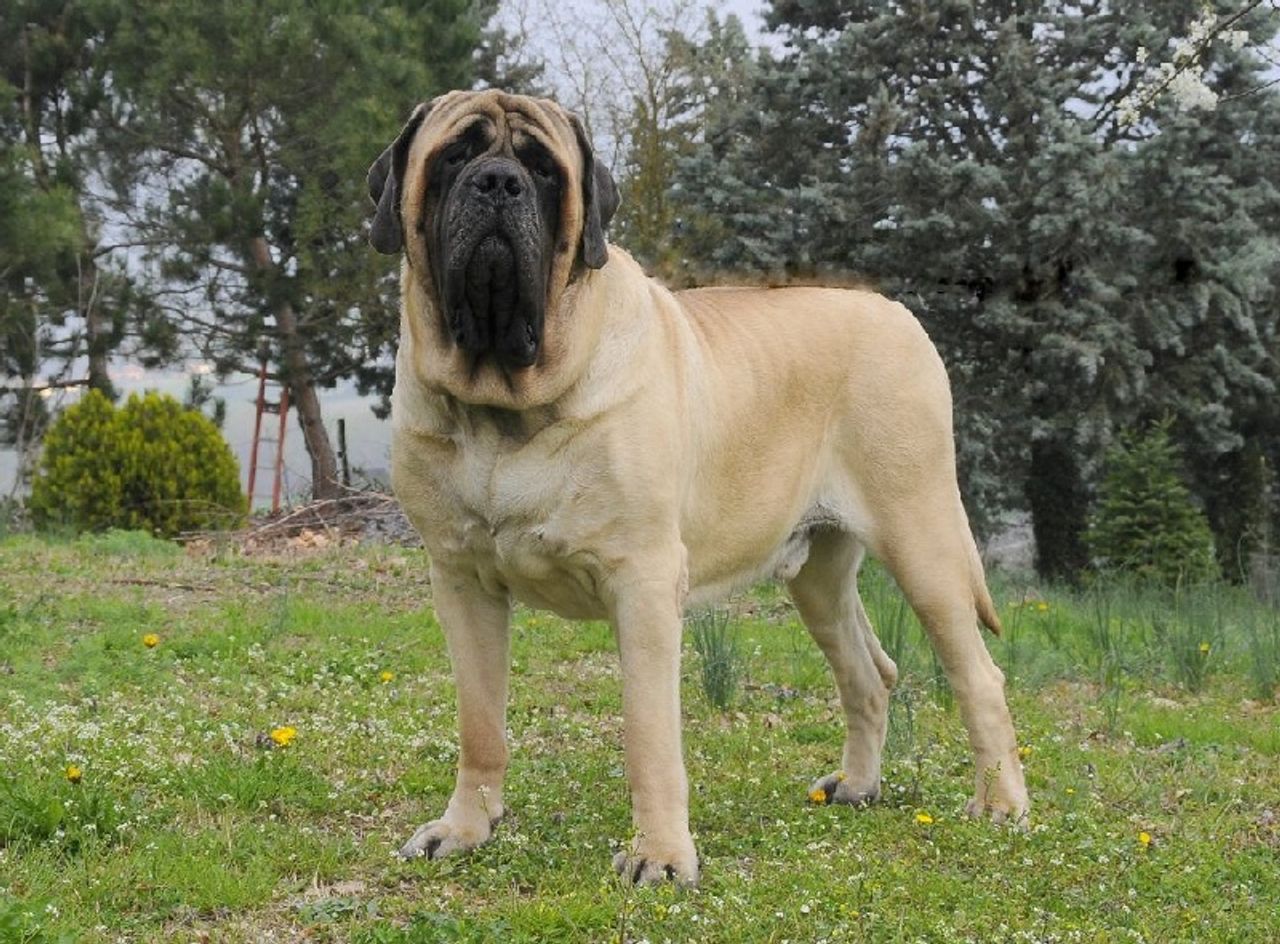
The Mastiff is one of the heaviest breeds, with some males weighing up to 230 pounds. This massive size, combined with their deep chest and tendency to drool, requires careful consideration when it comes to their daily care and gear.
Despite their giant size, Mastiffs are known for their calm and dignified temperament, making them a great companion for families with space to accommodate their large frames. However, their low energy level and moderate shedding mean they require regular grooming and exercise to stay healthy and happy.
With a lifespan of 6-10 years, Mastiffs are a long-term commitment, and their common health issues, such as hip dysplasia and bloat, need to be taken into account when planning their care.
Temperament and Training
Mastiffs are courageous and good-natured, but they can be strong-willed and require patient, consistent training. Positive reinforcement techniques work well with this breed, and early socialization is crucial to help them become confident and calm in new situations. With their calm nature, Mastiffs make great family pets, but they do need regular exercise and mental stimulation to prevent boredom and destructive behavior.
Daily Care and Grooming
Mastiffs have a short, single coat that requires regular brushing to remove loose hair and distribute skin oils. Their low grooming needs make them a great choice for busy owners, but their tendency to drool means they need regular cleaning and checks for skin infections. A daily cleaning routine and regular veterinary check-ups can help prevent health issues and keep their coat and skin healthy.
Exercise and Enrichment
Despite their giant size, Mastiffs have a low energy level and don't require a lot of exercise. However, they do need regular walks and playtime to stay healthy and happy. Mental stimulation is also crucial, and owners can provide this through interactive toys, puzzle games, and scent work. With their calm nature, Mastiffs are well-suited to apartment living, but they do need regular access to outdoor spaces for exercise and relaxation.
Feeding Considerations
Mastiffs are prone to joint issues and need a balanced diet that supports their joint health. Big-breed joint nutrition is essential, and owners should look for food that is rich in glucosamine and chondroitin. With their deep chest, Mastiffs are also prone to bloat, and owners should feed them smaller, more frequent meals to reduce the risk of this life-threatening condition.
Realistic Cost and Commitment
Mastiffs are a significant investment, and owners should be prepared for the costs of feeding, vet care, and gear for their giant frames. With their common health issues, Mastiffs can be expensive to care for, and owners should factor in the cost of regular veterinary check-ups and potential surgeries. However, for owners who are willing and able to provide the necessary care and attention, Mastiffs can make loyal and loving companions.
Mastiff FAQ
How often should I exercise my Mastiff?
Mastiffs have a low energy level and don't require a lot of exercise. However, they do need regular walks and playtime to stay healthy and happy. Aim for at least 30 minutes of exercise per day, and consider adding mental stimulation activities to keep them engaged and active.
Why does my Mastiff drool so much?
Mastiffs are prone to drooling due to their deep chest and loose lips. This can be messy, but it's a normal part of owning a Mastiff. Regular cleaning and checks for skin infections can help prevent health issues, and owners can also provide their Mastiffs with plenty of water and a balanced diet to reduce drooling.
Can Mastiffs live in apartments?
Despite their giant size, Mastiffs can thrive in apartment living due to their calm nature and low energy level. However, they do need regular access to outdoor spaces for exercise and relaxation, and owners should consider this when deciding whether an apartment is suitable for their Mastiff.
How often should I groom my Mastiff?
Mastiffs have a short, single coat that requires regular brushing to remove loose hair and distribute skin oils. Aim for at least 2-3 brushing sessions per week, and consider adding a daily cleaning routine to keep their coat and skin healthy.
What health issues should I be aware of in my Mastiff?
Mastiffs are prone to a range of health issues, including hip dysplasia, elbow dysplasia, bloat, and heart conditions. Regular veterinary check-ups can help identify these issues early, and owners should also be aware of the signs and symptoms of these conditions to provide the best possible care for their pets.
Top picks for Mastiffs
- Best Treats for Mastiffs →
- Best Food for Mastiffs →
- Best Leashes for Mastiffs →
- Best Beds for Mastiffs →
- Best Dental Chews for Mastiffs →
- Best Brushes for Mastiffs →
- Best Crates for Mastiffs →
- Best Collars for Mastiffs →
- Best Harnesses for Mastiffs →
- Best Joint Supplements for Mastiffs →
- Best Toys for Mastiffs →
- Best Nail Clippers for Mastiffs →
- Best Chew Toys for Mastiffs →
- Best Jackets & Coats for Mastiffs →
- Best Shampoo for Mastiffs →
- Best Ear Cleaners for Mastiffs →
- Best Training Pads for Mastiffs →
- Best Cooling Mats for Mastiffs →