PetEssentialistFind picks 🐾

🐾 Get the best breed-matched picks & deals in your inbox

Best Food for Mastiffs

We independently research and pick every product. When you buy through our links we may earn a commission, at no extra cost to you. How this works.

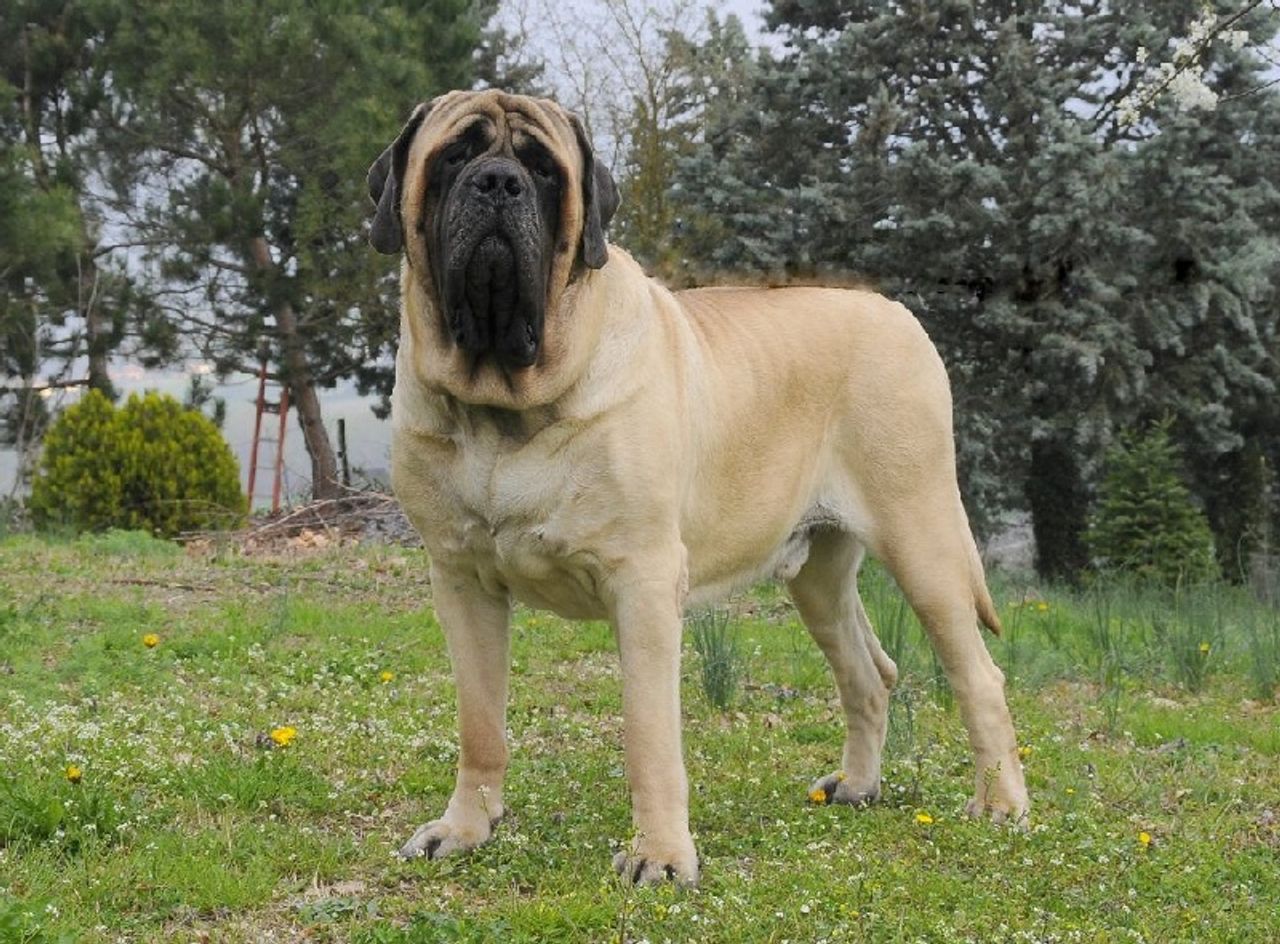
Giant breeds like the Mastiff have unique metabolic needs due to their massive size. Weighing between 120-230 pounds, Mastiffs require a diet that supports their low energy level while preventing excessive weight gain, which can exacerbate conditions like hip dysplasia and bloat. Their short, single coat and moderate shedding mean they don't need a coat-specific diet, but their sensitive stomachs and joint issues do require special consideration. With an average lifespan of 6-10 years, providing the right nutrition is crucial to ensure they live a long, healthy life. Their courageous yet calm nature makes them a beloved companion, and the right food can help maintain their dignified demeanor. A key factor in choosing the right food for a Mastiff is matching the kibble size and calorie density to their giant size and low energy needs. Additionally, formulas that address their specific common issues, such as large-breed joint support and sensitive-stomach digestibility, are essential.

What to look for

Calorie Density

Mastiffs need a balanced calorie intake that supports their low energy level without leading to weight gain. Look for foods with controlled calorie density to prevent obesity. Their giant size means they require more calories overall, but the balance is crucial.

Joint Support

Given their predisposition to hip dysplasia, elbow dysplasia, and other joint issues, Mastiffs benefit from food containing glucosamine and chondroitin. These ingredients help support joint health and can reduce the risk of mobility problems as they age.

Sensitive Stomach

Mastiffs are known for their sensitive stomachs, which can lead to digestive issues if not properly addressed. Foods with prebiotic fiber, live probiotics, or easily digestible ingredients can help mitigate these problems and ensure they get the nutrients they need.

Kibble Size

The kibble size should be appropriate for a giant breed like the Mastiff. Larger kibbles can help prevent gobbling and ensure they chew their food properly, reducing the risk of bloat and digestive issues.

Our top picks

1

Hill's Science Diet Science Diet Adult Large Breed Dry Dog Food

Best for Giant breeds needing joint support

This food is specifically formulated for large breeds, making it an ideal choice for Mastiffs. It contains glucosamine and chondroitin for joint support, which is crucial for preventing mobility issues in giant breeds. The precise protein and fat content help maintain a healthy weight, reducing the risk of obesity-related problems.

  • Supports joint health with glucosamine and chondroitin
  • Helps maintain a healthy weight
  • No artificial colors, flavors, or preservatives
  • May not be suitable for Mastiffs with severe food sensitivities
Check price →
2

Purina Pro Plan Pro Plan Sport Active 30/20 Chicken & Rice Formula

Best for Mastiffs needing sustained energy

Although Mastiffs have a low energy level, they still require a balanced diet that provides sustained energy. This formula, with 30% protein and 20% fat, helps meet those needs while also supporting joint health with glucosamine and EPA.

  • Provides sustained energy
  • Supports joint health
  • Real chicken as the first ingredient
  • Higher fat content may not be ideal for all Mastiffs
Check price →
3

Hill's Science Diet Science Diet Adult Sensitive Stomach & Skin Chicken & Barley

Best for Mastiffs with sensitive stomachs

For Mastiffs with digestive issues, this food is an excellent choice. It contains prebiotic fiber for microbiome health and easily digestible ingredients to reduce the risk of stomach upset.

  • Easily digestible ingredients
  • Prebiotic fiber for microbiome health
  • Vitamin E and omega-6 for skin health
  • May not provide enough joint support for some Mastiffs
Check price →
4

Royal Canin Breed-Specific Dry Dog Food

Best for Mastiffs needing tailored nutrition

This breed-specific food is designed to meet the unique needs of Mastiffs, including their giant size and low energy level. It provides tailored macronutrient ratios and targeted health support for joint, cardiac, and dental health.

  • Breed-specific nutrition
  • Tailored macronutrient ratios
  • Targeted health support
  • Can be more expensive than other options
Check price →
5

Purina Pro Plan Pro Plan Adult Complete Essentials Shredded Blend

Best for Mastiffs with skin and coat issues

While not specifically designed for giant breeds, this food contains real chicken or salmon as the first ingredient and includes live probiotics for digestive health. It also has EPA and omega-6 for coat and skin health, making it a good option for Mastiffs with skin issues.

  • Real chicken or salmon as the first ingredient
  • Live probiotics for digestive health
  • EPA and omega-6 for coat and skin health
  • Not specifically formulated for giant breeds
Check price →

Frequently asked questions

What is the best way to transition my Mastiff to a new food?

When transitioning your Mastiff to a new food, it's crucial to do it gradually to prevent digestive upset. Start by mixing a small amount of the new food with their current food and gradually increase the proportion of new food over 7-10 days.

How often should I feed my Mastiff?

Mastiffs are best fed 2-3 times a day, depending on their age and activity level. Puppies may require more frequent feeding, while adults can usually be fed twice a day. Consult with your veterinarian to determine the best feeding schedule for your Mastiff.

Can Mastiffs eat raw or homemade diets?

While some owners prefer raw or homemade diets, these can be risky for Mastiffs due to the potential for nutritional imbalances and bacterial contamination. It's recommended to consult with a veterinarian or canine nutritionist before making any significant changes to your Mastiff's diet.

How can I prevent bloat in my Mastiff?

To reduce the risk of bloat, feed your Mastiff smaller, more frequent meals, and avoid exercising them immediately after eating. Elevating their food bowl can also help reduce the risk of gobbling and swallowing air.

What are the signs of food allergies or sensitivities in Mastiffs?

Signs of food allergies or sensitivities in Mastiffs can include itching, scratching, ear infections, digestive issues, and skin problems. If you suspect your Mastiff has a food allergy or sensitivity, consult with your veterinarian to determine the best course of action.

For Mastiff owners, the most critical factor in choosing the right food is addressing their specific health needs, such as joint support and sensitive stomachs. By selecting a high-quality food that meets these needs, you can help ensure your Mastiff lives a long, healthy life. Always consult with your veterinarian before making any changes to your dog's diet.