Miniature Pinscher
The Miniature Pinscher is a toy dog known for being bold, fearless, energetic.
- Size
- toy
- Weight
- 8–11 lbs
- Life span
- 12–16 yrs
- Coat
- short smooth
- Shedding
- moderate
- Energy
- high
Health to watch for
Common breed predispositions — not a diagnosis. Always consult your vet.
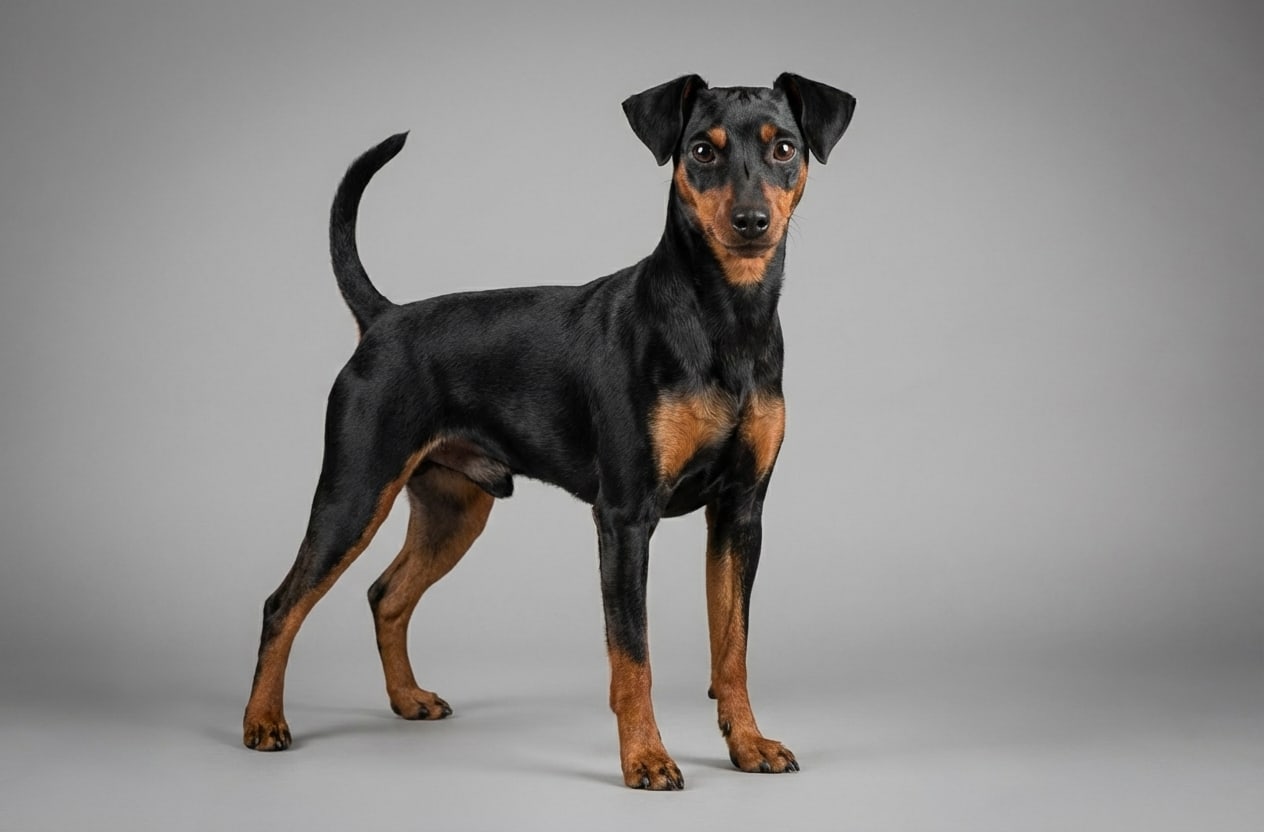
For many Miniature Pinscher owners, the biggest challenge is keeping up with their energetic and fearless companion's needs. Despite their small size, Miniature Pinschers require a significant amount of exercise and mental stimulation to prevent boredom and destructive behavior. With their sleek, low-maintenance coat and bold personality, it's essential to provide the right care and attention to ensure a happy and healthy life for this breed.
One of the most critical aspects of Miniature Pinscher care is addressing their tendency to get cold easily, which can lead to hypothyroidism and other health issues. As a result, providing a warm and comfortable environment is crucial, particularly in colder climates. Additionally, their high energy level means they require regular exercise and playtime to prevent obesity and other health problems.
With their long lifespan of 12-16 years, Miniature Pinschers are a long-term commitment that requires careful consideration of their needs and potential health issues, including patellar luxation, Legg-Calvé-Perthes, and heart issues.
Temperament and Training
Miniature Pinschers are known for their bold and fearless temperament, which can make training challenging if not approached correctly. Positive reinforcement techniques and consistent socialization are essential to develop good behavior and prevent unwanted habits. Early training is crucial to address potential issues such as escaping and barking.
Daily Care and Grooming
Despite their short, smooth coat, Miniature Pinschers still require regular grooming to maintain their overall health and appearance. A weekly brushing and occasional bathing are sufficient to keep their coat clean and healthy. Additionally, their nails, ears, and teeth need regular attention to prevent potential health issues.
Exercise and Enrichment
Miniature Pinschers are highly energetic and require regular exercise to keep them physically and mentally stimulated. Daily walks, playtime, and interactive toys are essential to prevent boredom and destructive behavior. Providing a securely fenced area for exercise is also crucial to prevent escaping, which can be a significant problem for this breed.
Feeding Considerations
Miniature Pinschers are prone to obesity, which can lead to various health issues, including hypothyroidism and heart problems. A balanced diet that meets their nutritional needs, combined with regular exercise and monitoring of food intake, is essential to maintain a healthy weight. Consulting with a veterinarian to determine the best diet for your Miniature Pinscher is highly recommended.
Realistic Cost and Commitment
Owning a Miniature Pinscher is a significant commitment that requires careful consideration of the costs involved, including food, veterinary care, and potential health issues. With their long lifespan and potential health problems, it's essential to factor in the costs of regular veterinary check-ups, preventative care, and potential treatments.
Miniature Pinscher FAQ
How often should I exercise my Miniature Pinscher?
Miniature Pinschers require regular exercise to keep them physically and mentally stimulated. A minimum of 30 minutes of exercise per day, including walks, playtime, and interactive toys, is recommended to prevent boredom and destructive behavior.
Why is my Miniature Pinscher getting cold easily?
Miniature Pinschers are prone to getting cold easily due to their small size and short coat. Providing a warm and comfortable environment, particularly in colder climates, is crucial to prevent hypothyroidism and other health issues.
How can I prevent my Miniature Pinscher from escaping?
Miniature Pinschers are known to be escape artists, so it's essential to provide a securely fenced area for exercise and playtime. Regularly checking the fence for any weaknesses or gaps and providing adequate supervision can help prevent escaping.
What health issues are Miniature Pinschers prone to?
Miniature Pinschers are prone to various health issues, including patellar luxation, Legg-Calvé-Perthes, heart problems, and hypothyroidism. Regular veterinary check-ups and preventative care can help identify potential issues early on.
How can I train my Miniature Pinscher effectively?
Miniature Pinschers require positive reinforcement techniques and consistent socialization to develop good behavior and prevent unwanted habits. Early training is crucial, and consulting with a professional dog trainer or behaviorist can provide valuable guidance and support.
Top picks for Miniature Pinschers
- Best Food for Miniature Pinschers →
- Best Treats for Miniature Pinschers →
- Best Dental Chews for Miniature Pinschers →
- Best Collars for Miniature Pinschers →
- Best Leashes for Miniature Pinschers →
- Best Crates for Miniature Pinschers →
- Best Harnesses for Miniature Pinschers →
- Best Brushes for Miniature Pinschers →
- Best Chew Toys for Miniature Pinschers →
- Best Nail Clippers for Miniature Pinschers →
- Best Shampoo for Miniature Pinschers →
- Best Toys for Miniature Pinschers →
- Best Training Pads for Miniature Pinschers →
- Best Beds for Miniature Pinschers →
- Best Joint Supplements for Miniature Pinschers →
- Best Jackets & Coats for Miniature Pinschers →
- Best Ear Cleaners for Miniature Pinschers →
- Best Cooling Mats for Miniature Pinschers →