Common Miniature Pinscher Health Issues to Watch For
By PetEssentialist Team · Updated July 2026 · How we review
We independently research and pick every product. When you buy through our links we may earn a commission, at no extra cost to you. How this works.
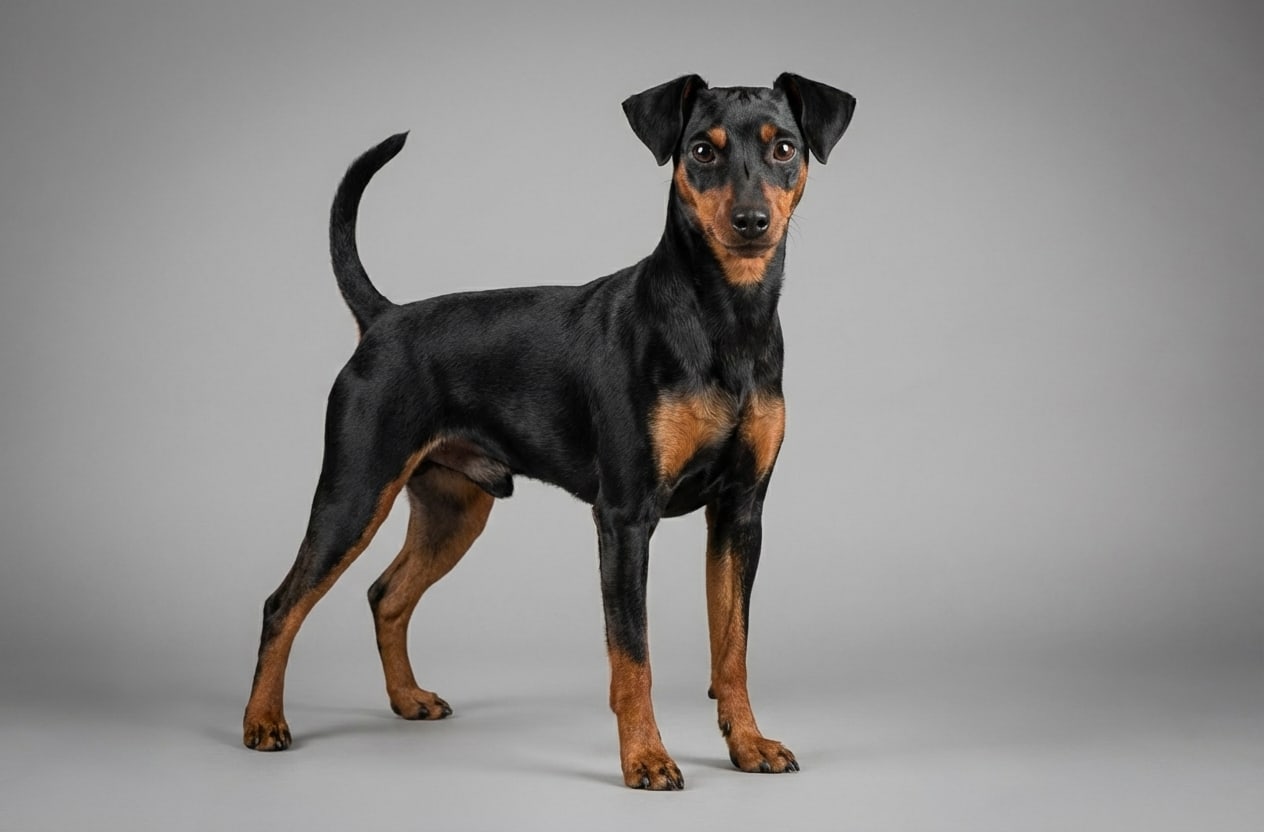
Miniature Pinschers are known for their bold and energetic personalities, but their small size and sleek coat can also make them prone to certain health issues. As a responsible owner, it's essential to be aware of these potential problems and take steps to prevent or manage them. Regular veterinary check-ups and a keen eye for changes in behavior or physical condition can help identify issues early on, ensuring your Miniature Pinscher lives a long and healthy life. With their high energy level and love of activity, Miniature Pinschers can be prone to injuries, particularly those affecting their joints. Their short, smooth coat requires minimal grooming but can make it more challenging to detect skin problems or other health issues. By understanding the specific needs and predispositions of the Miniature Pinscher breed, owners can take proactive steps to protect their dog's health and well-being. Owners of Miniature Pinschers should be particularly vigilant about monitoring their dog's joint health, as conditions like patellar luxation and Legg-Calvé-Perthes can be debilitating if left untreated. Regular exercise, a balanced diet, and prompt veterinary attention can help prevent or manage these issues, ensuring your Miniature Pinscher remains happy and healthy.
What to look for
Monitor Joint Health
Regularly check your Miniature Pinscher's joints for signs of pain or discomfort, such as limping or reluctance to jump. Provide a comfortable and supportive environment, including a warm and cozy place to rest, as Miniature Pinschers can get cold easily. Avoid excessive jumping or high-impact activities that can put additional stress on their joints.
Maintain a Healthy Weight
Ensure your Miniature Pinscher is at a healthy weight to reduce the risk of joint problems and other health issues. Feed a balanced diet and limit treats, as overfeeding can be detrimental to their health. Consult with your veterinarian to determine the ideal weight range for your dog.
Provide Regular Veterinary Care
Schedule regular check-ups with your veterinarian to monitor your Miniature Pinscher's health and detect any potential issues early on. This is particularly important for Miniature Pinschers, as they can be prone to heart issues and hypothyroidism. Stay alert for changes in behavior or physical condition and seek veterinary attention promptly if you notice anything unusual.
Keep Your Miniature Pinscher Warm
Miniature Pinschers can get cold easily due to their small size and short coat. Provide a warm and cozy environment, including a suitable dog bed and clothing for outdoor activities in cold weather. Avoid leaving your dog outside in cold temperatures for extended periods.
Be Aware of Escape Risks
Miniature Pinschers are notorious escape artists, so it's crucial to ensure your home and yard are secure. Supervise your dog during outdoor activities and consider using a harness and leash to prevent them from slipping away. Be prepared for potential escape attempts and have a plan in place to safely retrieve your dog if they do manage to get loose.
Frequently asked questions
What are the most common health issues affecting Miniature Pinschers?
Miniature Pinschers are prone to patellar luxation, Legg-Calvé-Perthes, heart issues, and hypothyroidism. Regular veterinary check-ups and a keen eye for changes in behavior or physical condition can help identify these issues early on.
How often should I take my Miniature Pinscher to the vet?
Miniature Pinschers should have regular veterinary check-ups at least twice a year, with more frequent visits as they age or if they have pre-existing health conditions. Consult with your veterinarian to determine the best schedule for your dog.
Can I prevent my Miniature Pinscher from getting joint problems?
While it's not possible to completely prevent joint problems, you can reduce the risk by providing a comfortable and supportive environment, maintaining a healthy weight, and avoiding excessive jumping or high-impact activities. Regular veterinary check-ups can also help detect any potential issues early on.
Why is it essential to keep my Miniature Pinscher warm?
Miniature Pinschers can get cold easily due to their small size and short coat. Providing a warm and cozy environment can help prevent hypothermia and other cold-related health issues. Ensure your dog has a suitable dog bed and clothing for outdoor activities in cold weather.
What should I do if my Miniature Pinscher escapes?
If your Miniature Pinscher escapes, remain calm and act quickly. Check your immediate surroundings, call your dog's name, and use any familiar commands or treats to lure them back. If you're unable to retrieve your dog, contact local animal shelters, veterinary clinics, and neighbors to report your dog missing and seek their assistance in safely retrieving your pet.
By understanding the specific health needs and predispositions of the Miniature Pinscher breed, owners can take proactive steps to protect their dog's health and well-being. Prioritize regular veterinary check-ups, maintain a healthy weight, and provide a comfortable and supportive environment to reduce the risk of joint problems and other health issues. With the right care and attention, your Miniature Pinscher can live a long, happy, and healthy life as a beloved companion.
More for your Miniature Pinscher
Other breed-matched picks worth a look.