Pomeranian
The Pomeranian is a toy dog known for being lively, bold, inquisitive.
- Size
- toy
- Weight
- 3–7 lbs
- Life span
- 12–16 yrs
- Coat
- thick double
- Shedding
- moderate
- Energy
- moderate
Health to watch for
Common breed predispositions — not a diagnosis. Always consult your vet.
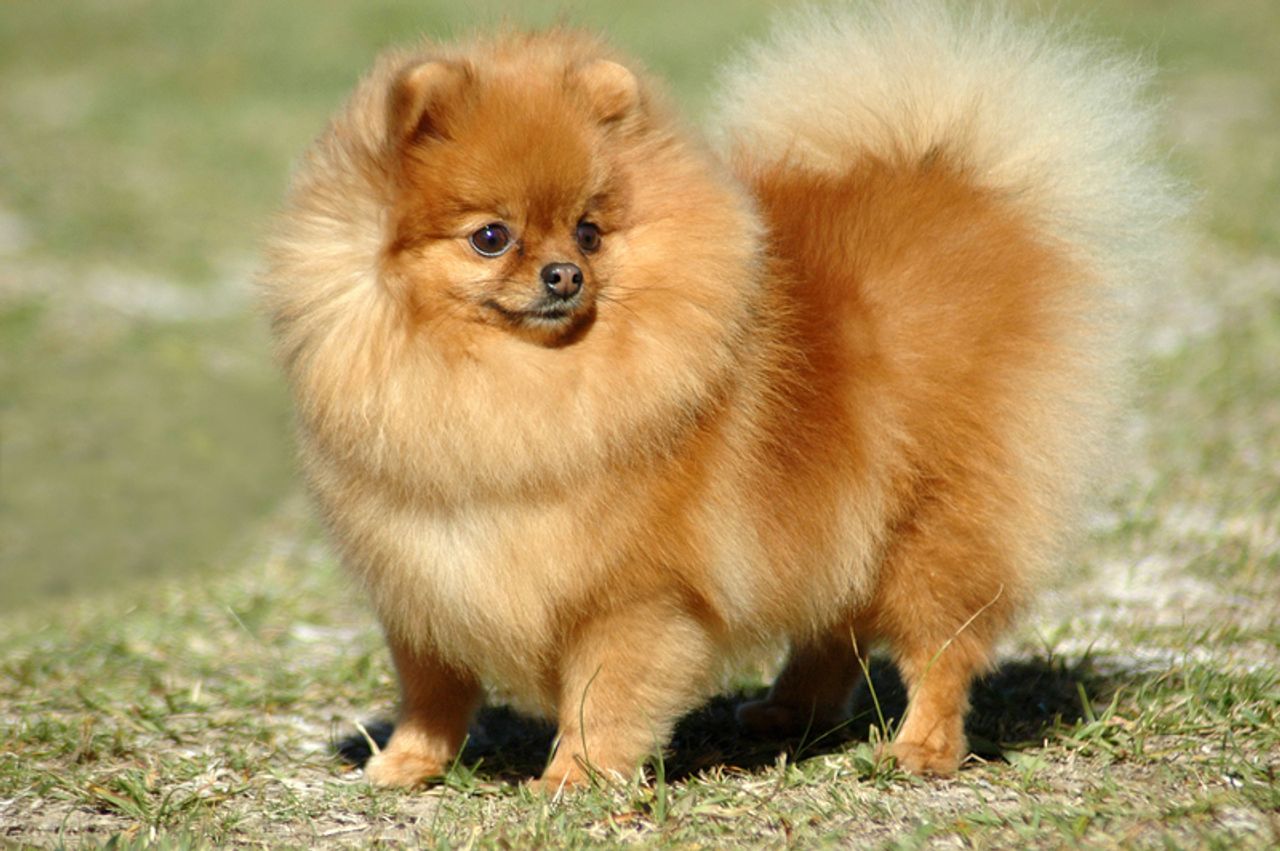
The Pomeranian's fragile anatomy and delicate trachea make harnesses a crucial investment, as collars can easily cause tracheal collapse.
This toy breed's lively and bold temperament means they require attentive care and regular exercise to prevent boredom and stress. Their thick double coat, while beautiful, sheds moderately and demands high maintenance grooming to prevent matting and tangling.
As a Pomeranian owner, being aware of their common health issues, such as patellar luxation and dental disease, is essential for providing the best possible care and ensuring a long, healthy life span of 12-16 years.
Grooming Needs
Pomeranians require frequent brushing to prevent matting and tangling of their thick double coat. Daily grooming sessions can help reduce shedding and prevent hairballs. A slicker brush or pin brush is ideal for detangling their fur, while a comb can help remove loose hair. Regular grooming also helps distribute skin oils, promoting a healthy coat.
Exercise and Enrichment
Pomeranians have a moderate energy level, requiring daily exercise to stay happy and healthy. Short walks and playtime can help burn off energy, while interactive toys and puzzle games provide mental stimulation. Due to their small size, Pomeranians can get enough exercise through indoor play, making them a great choice for apartment dwellers.
Feeding Considerations
Pomeranians have tiny mouths and require small, nutrient-rich food to support their high metabolism. A balanced diet that includes protein, fat, and complex carbohydrates is essential for maintaining their overall health. It's also crucial to monitor their food intake to prevent overeating, which can lead to obesity and related health issues.
Training and Socialization
Pomeranians are intelligent and responsive to training, but they can be strong-willed at times. Positive reinforcement techniques, such as clicker training and reward-based learning, are effective in teaching good behavior and manners. Socialization is also vital, as Pomeranians can be wary of strangers and may develop anxiety if not exposed to new people, places, and experiences.
Health and Veterinary Care
Pomeranians are prone to various health issues, including patellar luxation, collapsing trachea, and dental disease. Regular veterinary check-ups can help identify potential problems early on, and preventative care, such as vaccinations and parasite control, can reduce the risk of illness. It's essential to work closely with a veterinarian to develop a personalized care plan for your Pomeranian.
Pomeranian FAQ
How often should I brush my Pomeranian's coat?
It's recommended to brush your Pomeranian's coat daily, with a minimum of 2-3 times a week, to prevent matting and tangling. This will also help reduce shedding and prevent hairballs.
Can Pomeranians be left alone for extended periods?
While Pomeranians can tolerate some alone time, they thrive on attention and interaction. Leaving them alone for extended periods can lead to separation anxiety and boredom, so it's essential to provide regular exercise, mental stimulation, and socialization.
What are the most common health issues in Pomeranians?
Pomeranians are prone to patellar luxation, collapsing trachea, dental disease, and coat loss (alopecia). Regular veterinary check-ups and preventative care can help identify potential problems early on and reduce the risk of illness.
How much exercise does a Pomeranian need?
Pomeranians require daily exercise to stay happy and healthy, but they don't need a lot. Short walks and playtime can help burn off energy, while interactive toys and puzzle games provide mental stimulation.
Can Pomeranians be trained easily?
Pomeranians are intelligent and responsive to training, but they can be strong-willed at times. Positive reinforcement techniques, such as clicker training and reward-based learning, are effective in teaching good behavior and manners.
Top picks for Pomeranians
- Best Treats for Pomeranians →
- Best Dental Chews for Pomeranians →
- Best Food for Pomeranians →
- Best Beds for Pomeranians →
- Best Leashes for Pomeranians →
- Best Brushes for Pomeranians →
- Best Toys for Pomeranians →
- Best Crates for Pomeranians →
- Best Collars for Pomeranians →
- Best Harnesses for Pomeranians →
- Best Shampoo for Pomeranians →
- Best Jackets & Coats for Pomeranians →
- Best Chew Toys for Pomeranians →
- Best Nail Clippers for Pomeranians →
- Best Joint Supplements for Pomeranians →
- Best Ear Cleaners for Pomeranians →
- Best Training Pads for Pomeranians →
- Best Cooling Mats for Pomeranians →