Selkirk Rex
The Selkirk Rex is a large cat known for being patient, affectionate, playful.
- Size
- large
- Weight
- 6–16 lbs
- Life span
- 10–15 yrs
- Coat
- curly (short or long)
- Shedding
- moderate
- Energy
- moderate
Health to watch for
Common breed predispositions — not a diagnosis. Always consult your vet.
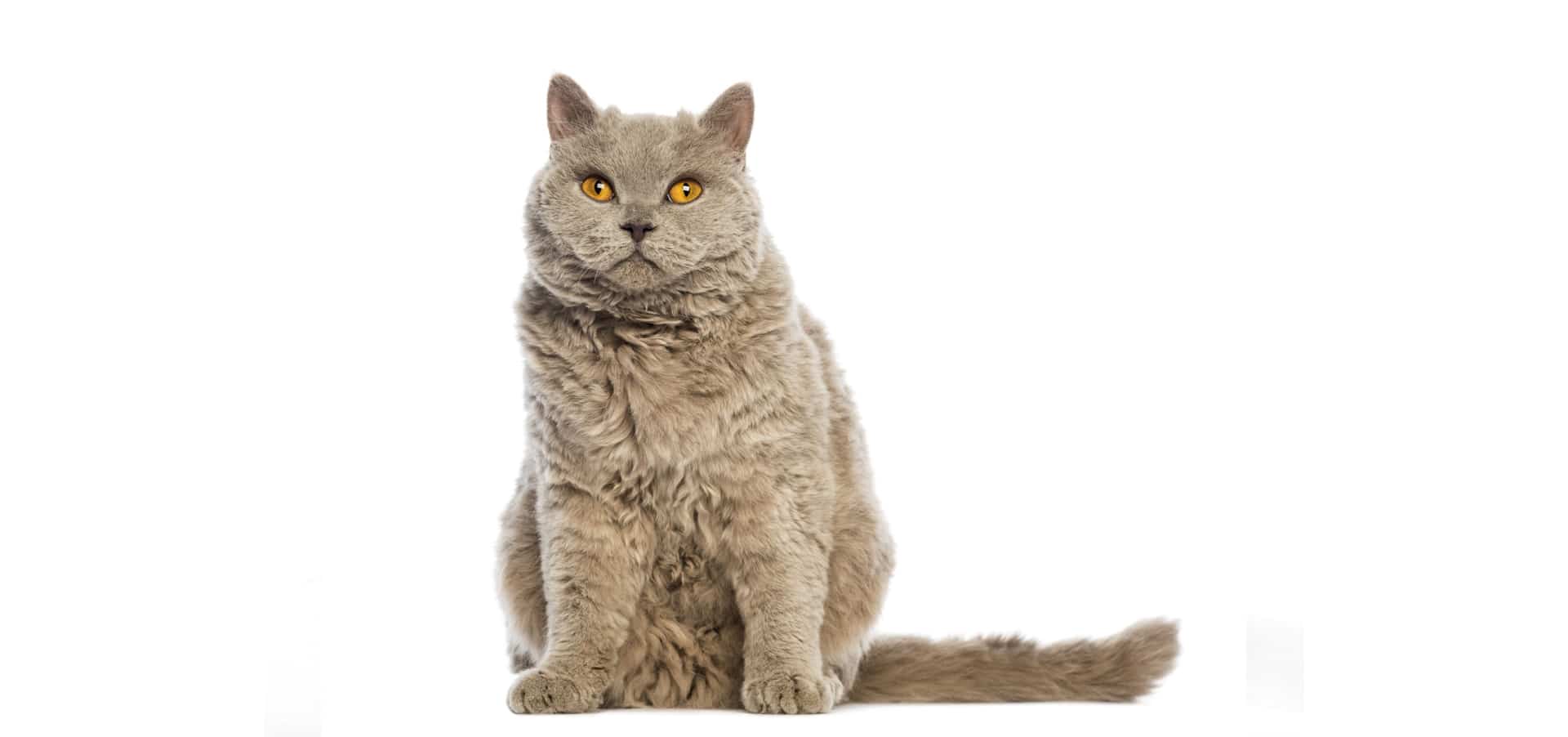
A Selkirk Rex owner is likely familiar with the scene: their cat, curled up in a ball, resembling a sheep more than a feline, with a soft, curly coat that invites endless cuddling. This unique appearance, coupled with their patient and affectionate nature, makes them a beloved companion. However, their distinctive coat requires careful maintenance to prevent matting and tangling, while their moderate energy level demands regular playtime and exercise to keep them happy and healthy.
The Selkirk Rex is a large breed, with a typical weight range of 6-16 pounds, and a lifespan of 10-15 years. Their temperament is characterized by patience, affection, playfulness, and tolerance, making them an excellent choice for families with children or for those who want a laid-back pet. Nevertheless, their moderate shedding and grooming needs, as well as potential health issues like HCM, polycystic kidney disease, hip dysplasia, and gingivitis, necessitate a thoughtful and committed approach to their care.
As a Selkirk Rex owner, it's essential to understand the intricacies of their care, from daily grooming and exercise to feeding considerations and potential health concerns. By doing so, owners can provide their cat with a happy, healthy life, filled with love, comfort, and endless playtime.
Temperament and Personality
The Selkirk Rex is known for its patient, affectionate, and playful personality, making them an excellent choice for families or individuals seeking a laid-back companion. Their tolerant nature allows them to adapt well to new environments and people, but they still require attention and interaction to thrive. Owners should prioritize building a strong bond with their Selkirk Rex through regular playtime, cuddling, and gentle training.
Daily Care and Grooming
The Selkirk Rex's curly coat demands gentle, regular grooming to prevent matting and tangling. A slicker brush or a pin brush is ideal for detangling, while a wide-tooth comb can help with stubborn knots. Bathing should be done sparingly, as their coat can be prone to dryness. Additionally, their moderate shedding requires regular vacuuming and lint rolling to keep their environment clean.
Exercise and Enrichment
With a moderate energy level, the Selkirk Rex needs regular exercise and mental stimulation to prevent boredom and obesity. Engage your cat in playtime activities like chasing toys, climbing, or interactive puzzle toys. A balance of physical activity and relaxation is crucial to maintaining their overall well-being.
Feeding Considerations
Given their size and potential health issues, it's essential to monitor the Selkirk Rex's food intake and ensure they're receiving a balanced, nutrient-rich diet. Avoid overfeeding, as this can exacerbate conditions like hip dysplasia and obesity. Consult with a veterinarian to determine the best feeding schedule and portion sizes for your cat.
Realistic Cost and Commitment
Caring for a Selkirk Rex requires a significant investment of time, money, and resources. Owners should be prepared to commit to regular grooming, veterinary check-ups, and potential medical expenses related to their health issues. Additionally, the cost of high-quality food, litter, and supplies should be factored into the overall budget.
Selkirk Rex FAQ
How often should I groom my Selkirk Rex?
Regular grooming is essential for the Selkirk Rex, with daily brushing and occasional bathing recommended to prevent matting and tangling. The frequency of grooming may vary depending on the individual cat's coat and lifestyle.
Can Selkirk Rex cats be left alone for extended periods?
While Selkirk Rex cats are generally laid-back, they still require attention and interaction. Leaving them alone for extended periods can lead to boredom, stress, and potential behavioral issues. It's recommended to provide plenty of toys, scratching posts, and climbing structures to keep them entertained when you're away.
What are the most common health issues in Selkirk Rex cats?
Selkirk Rex cats are prone to several health issues, including hypertrophic cardiomyopathy (HCM), polycystic kidney disease, hip dysplasia, and gingivitis. Regular veterinary check-ups and genetic testing can help identify these conditions early on, allowing for prompt treatment and management.
How much exercise does a Selkirk Rex cat need?
Selkirk Rex cats require moderate exercise to stay healthy and happy. Aim for at least 30 minutes of playtime per day, including activities like chasing toys, climbing, and interactive puzzle toys. This balance of physical activity and relaxation will help maintain their overall well-being.
Can Selkirk Rex cats get along with other pets?
Selkirk Rex cats are generally tolerant and adaptable, making them a good fit for multi-pet households. However, introducing them to other pets should be done slowly and under controlled circumstances to ensure a smooth transition. With patience and proper introduction, Selkirk Rex cats can coexist harmoniously with other pets.
Top picks for Selkirk Rexs
- Best Dry Food for Selkirk Rexs →
- Best Treats for Selkirk Rexs →
- Best Wet Food for Selkirk Rexs →
- Best Cat Trees for Selkirk Rexs →
- Best Scratching Posts for Selkirk Rexs →
- Best Dental Treats for Selkirk Rexs →
- Best Litter Boxes for Selkirk Rexs →
- Best Nail Clippers for Selkirk Rexs →
- Best Carriers for Selkirk Rexs →
- Best Litter for Selkirk Rexs →
- Best Calming Aids for Selkirk Rexs →
- Best Brushes for Selkirk Rexs →
- Best Toys for Selkirk Rexs →
- Best Water Fountains for Selkirk Rexs →
- Best Beds for Selkirk Rexs →
- Best Harnesses for Selkirk Rexs →