Common Selkirk Rex Health Issues to Watch For
By PetEssentialist Team · Updated July 2026 · How we review
We independently research and pick every product. When you buy through our links we may earn a commission, at no extra cost to you. How this works.
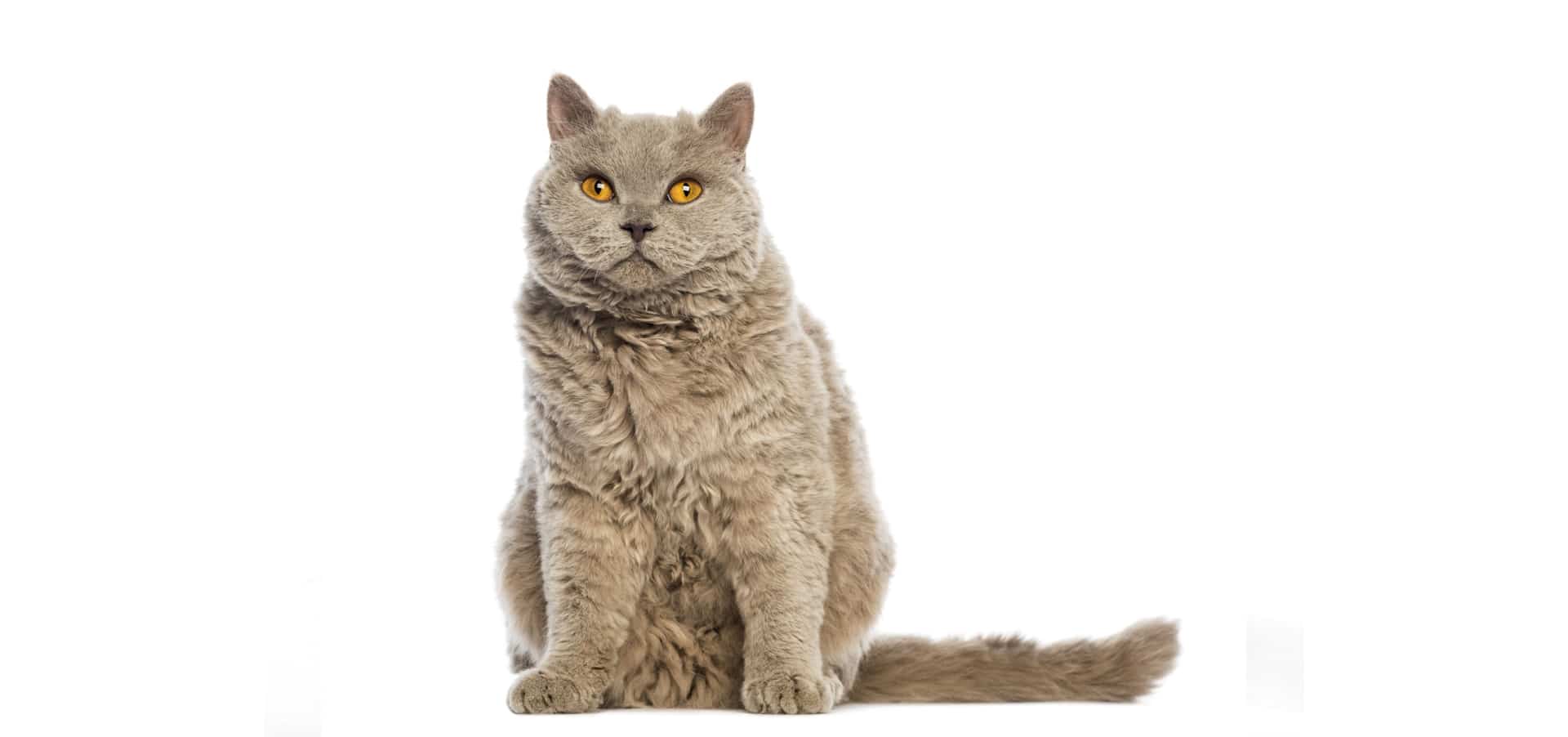
The Selkirk Rex's unique, curly coat and laid-back temperament make them a beloved companion, but their medium to large size and specific health predispositions require attentive care. Regular grooming is essential to prevent matting and tangling of their curly fur, which can be a challenge for owners who are new to this breed. With their patient and affectionate nature, Selkirk Rex cats thrive on interaction and attention, making them a great fit for families and individuals who can devote time to their care. As a Selkirk Rex owner, it's crucial to be aware of the common health issues that can affect this breed, including heart problems, polycystic kidney disease, hip dysplasia, and gingivitis. By understanding these potential issues and taking steps to prevent them, owners can help their Selkirk Rex live a long and healthy life. A well-cared-for Selkirk Rex can enjoy a lifespan of 10-15 years, making them a long-term companion for many families. To keep their Selkirk Rex in top condition, owners should focus on providing a balanced diet, regular exercise, and plenty of opportunities for play and interaction. By combining these elements with regular veterinary check-ups and a keen eye for any signs of illness, owners can help prevent common health issues and ensure their Selkirk Rex remains happy and healthy.
What to look for
Regular Grooming
The Selkirk Rex's curly coat requires regular grooming to prevent matting and tangling. Owners should aim to brush their cat at least 2-3 times a week, using a gentle brush or comb specifically designed for curly-haired cats. This will help to prevent hairballs and reduce shedding, which can be a challenge for this breed. Regular grooming also provides an opportunity to inspect the cat's skin and coat for any signs of illness or injury.
Diet and Nutrition
A balanced diet is essential for maintaining the Selkirk Rex's overall health and wellbeing. Owners should choose a high-quality cat food that is rich in protein and low in carbohydrates, and consider adding supplements to support heart health and joint mobility. It's also important to monitor food intake to prevent obesity, which can exacerbate existing health issues in this breed.
Regular Veterinary Check-ups
Regular veterinary check-ups are crucial for detecting potential health issues in the Selkirk Rex. Owners should schedule annual check-ups with their veterinarian, and be sure to report any changes in their cat's behavior, appetite, or physical condition. This will help to identify any potential issues early on, and prevent more serious problems from developing.
Monitoring for Signs of Illness
Selkirk Rex owners should be aware of the common signs of illness in this breed, including changes in appetite, vomiting, diarrhea, and lethargy. They should also monitor their cat's coat and skin for any signs of matting, tangling, or irritation, and report any changes to their veterinarian promptly. By being vigilant and proactive, owners can help to prevent common health issues and ensure their Selkirk Rex receives the care they need.
Providing a Safe Environment
The Selkirk Rex's moderate energy level and playful nature mean they require a safe and stimulating environment to prevent boredom and injury. Owners should provide plenty of toys, scratching posts, and climbing structures to keep their cat entertained and active, and ensure their home is free from hazards such as toxic substances and electrical cords.
Frequently asked questions
How often should I groom my Selkirk Rex?
The Selkirk Rex's curly coat requires regular grooming to prevent matting and tangling. Owners should aim to brush their cat at least 2-3 times a week, using a gentle brush or comb specifically designed for curly-haired cats.
What are the most common health issues affecting the Selkirk Rex?
The Selkirk Rex is prone to a number of health issues, including heart problems, polycystic kidney disease, hip dysplasia, and gingivitis. Regular veterinary check-ups and a keen eye for any signs of illness can help to prevent these issues.
Can Selkirk Rex cats be left alone for long periods of time?
While Selkirk Rex cats are patient and affectionate, they do require regular interaction and attention. Owners who are away from home for long periods should consider providing their cat with plenty of toys and stimulation, or hiring a pet sitter to keep them company.
How can I prevent obesity in my Selkirk Rex?
Preventing obesity in the Selkirk Rex requires a combination of a balanced diet, regular exercise, and monitoring food intake. Owners should choose a high-quality cat food that is rich in protein and low in carbohydrates, and limit treats and snacks to prevent overeating.
What are the signs of heart problems in the Selkirk Rex?
The signs of heart problems in the Selkirk Rex can include lethargy, coughing, and difficulty breathing. Owners who notice any of these symptoms in their cat should seek veterinary attention promptly, as heart problems can be a serious issue in this breed.
By understanding the common health issues affecting the Selkirk Rex and taking steps to prevent them, owners can help their cat live a long and healthy life. Regular grooming, a balanced diet, and regular veterinary check-ups are all crucial for maintaining the Selkirk Rex's overall health and wellbeing. With the right care and attention, the Selkirk Rex can thrive as a beloved companion for many years.
More for your Selkirk Rex
Other breed-matched picks worth a look.