Common Basenji Health Issues to Watch For
By PetEssentialist Team · Updated July 2026 · How we review
We independently research and pick every product. When you buy through our links we may earn a commission, at no extra cost to you. How this works.
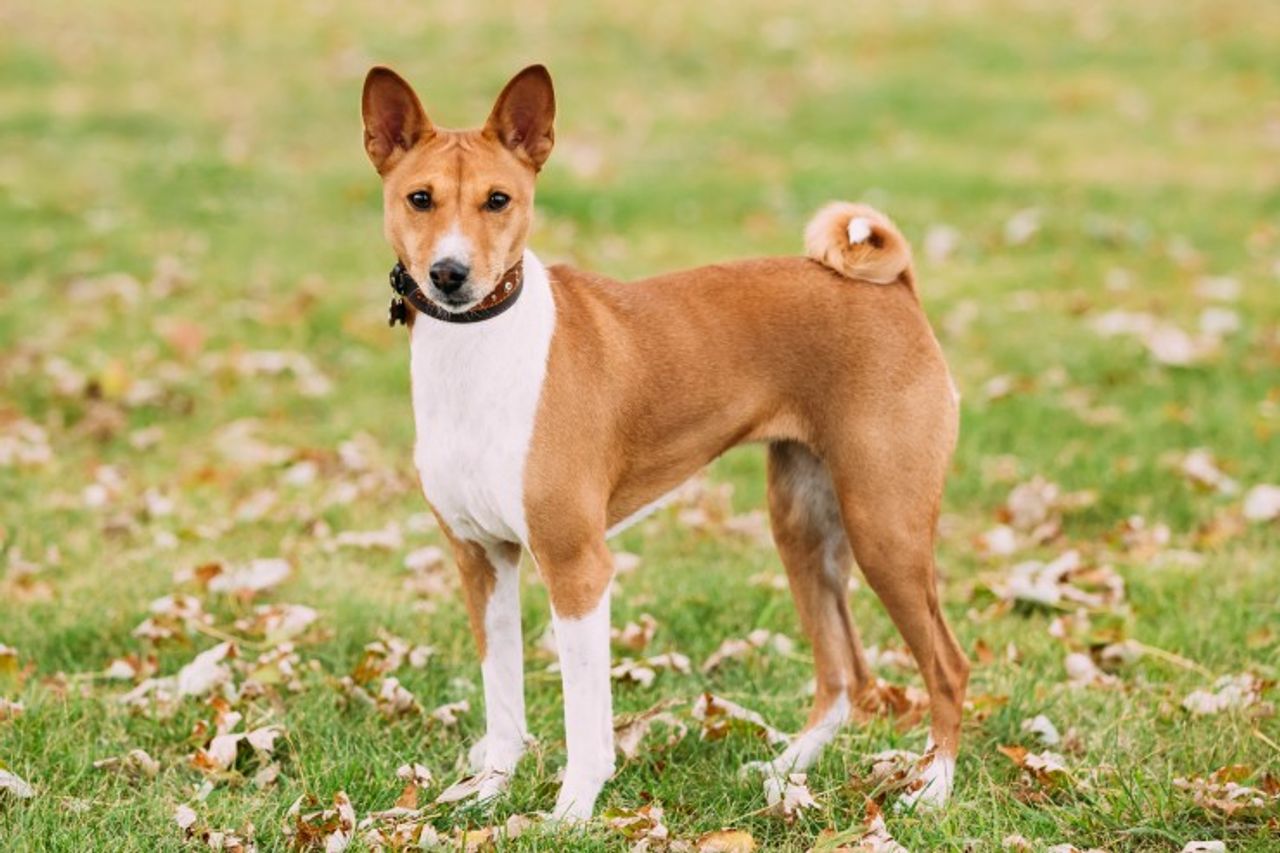
Fanconi syndrome is a genetic disorder that can have devastating consequences for Basenjis, making it crucial for owners to be aware of the signs and take preventive measures. As a breed, Basenjis are known for their short, fine coats and low shedding, which can make them a great choice for owners with allergies. However, their independent and curious nature can sometimes make it challenging to detect health issues early on. Basenjis are highly energetic dogs that require regular exercise to stay healthy and happy. Their small size and low grooming needs make them a great choice for city dwellers, but their strong prey drive and aloof temperament require owners to be vigilant and proactive about their health. By understanding the common health issues that affect Basenjis, owners can take steps to prevent and detect problems early on, ensuring their dog lives a long and healthy life.
What to look for
Monitor for Fanconi Syndrome
Basenji owners should be aware of the signs of Fanconi syndrome, including excessive thirst and urination, and have their dog tested regularly. Early detection is key to managing the condition and preventing complications. Owners should work closely with their veterinarian to develop a monitoring plan that suits their dog's needs.
Maintain a Healthy Weight
Basenjis are prone to hypothyroidism, which can lead to weight gain and other health issues. Owners should ensure their dog is getting regular exercise and feeding a balanced diet to maintain a healthy weight. A weight management plan should be developed in consultation with a veterinarian to ensure the dog is getting the nutrients they need.
Watch for Signs of PRA
Progressive retinal atrophy (PRA) is a genetic disorder that can cause blindness in Basenjis. Owners should be aware of the signs, including night blindness and loss of vision, and have their dog's eyes checked regularly. Regular eye exams can help detect PRA early on, and owners should work with their veterinarian to develop a plan to manage the condition.
Provide Mental Stimulation
Basenjis are highly intelligent and curious dogs that require mental stimulation to prevent boredom and stress. Owners should provide plenty of toys, puzzle games, and training activities to keep their dog engaged and active. This can help reduce the risk of anxiety and other behavioral problems.
Stay Vigilant for IPSID
Immune-mediated polyarthritis (IPSID) is a condition that can cause joint pain and inflammation in Basenjis. Owners should be aware of the signs, including limping and stiffness, and seek veterinary care immediately if they suspect their dog is affected. Early treatment is essential to managing the condition and preventing long-term damage.
Frequently asked questions
How often should I take my Basenji to the vet?
Basenji owners should take their dog to the vet at least twice a year for regular check-ups and monitoring. This can help detect health issues early on and prevent complications. Additionally, owners should seek veterinary care immediately if they suspect their dog is showing signs of illness or injury.
Can Basenjis be prone to obesity?
Yes, Basenjis can be prone to obesity, particularly if they are overfed or do not get enough exercise. Owners should ensure their dog is getting regular physical activity and feeding a balanced diet to maintain a healthy weight.
How can I prevent Fanconi syndrome in my Basenji?
While Fanconi syndrome is a genetic disorder, owners can take steps to reduce the risk of complications by monitoring their dog's health closely and seeking veterinary care immediately if they suspect their dog is showing signs of illness. Regular testing and monitoring can help detect the condition early on.
Are Basenjis prone to eye problems?
Yes, Basenjis are prone to eye problems, including PRA and cataracts. Owners should have their dog's eyes checked regularly and seek veterinary care immediately if they suspect their dog is showing signs of eye problems.
How can I keep my Basenji mentally stimulated?
Basenji owners can keep their dog mentally stimulated by providing plenty of toys, puzzle games, and training activities. This can help reduce the risk of anxiety and other behavioral problems and keep their dog engaged and active.
By being aware of the common health issues that affect Basenjis and taking proactive steps to prevent and detect problems early on, owners can help their dog live a long and healthy life. Regular veterinary care, a balanced diet, and plenty of exercise and mental stimulation are essential to maintaining the health and well-being of this unique and energetic breed. Owners who are willing to invest time and effort into their Basenji's health will be rewarded with a loyal and loving companion.
More for your Basenji
Other breed-matched picks worth a look.