Basenji
The Basenji is a small dog known for being independent, smart, curious.
- Size
- small
- Weight
- 22–24 lbs
- Life span
- 13–14 yrs
- Coat
- short fine
- Shedding
- low
- Energy
- high
Health to watch for
Common breed predispositions — not a diagnosis. Always consult your vet.
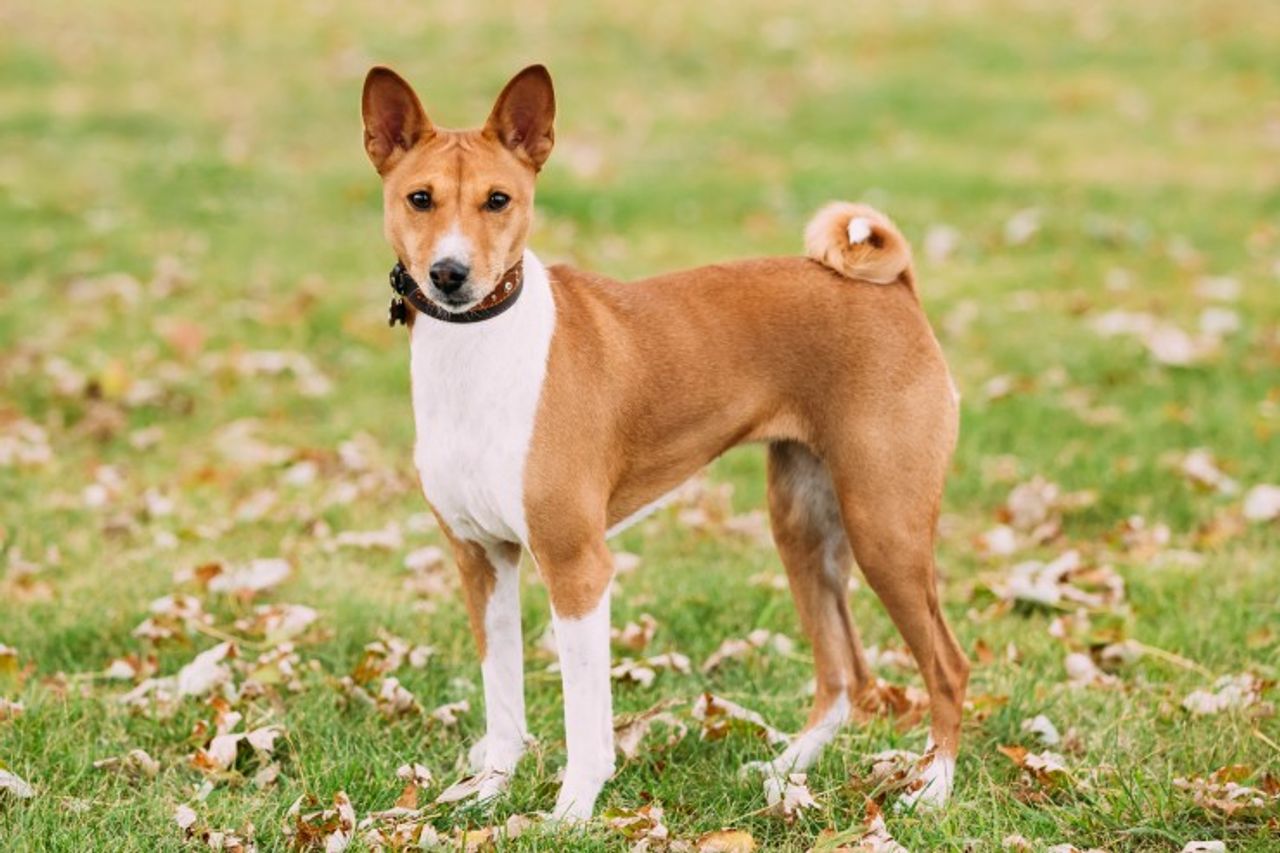
The Basenji's reputation as the 'barkless dog' is a fascinating aspect of their nature, but it's essential to look beyond this distinctive trait to understand the complexities of their care. With their short, fine coats and low shedding, Basenjis are often perceived as low-maintenance pets. However, their high energy levels and independent personalities require careful consideration.
Basenjis are catlike and fastidious, with a strong prey drive that demands attention and engagement from their owners. This unique combination of traits means that Basenjis thrive in households that can provide ample exercise, mental stimulation, and patient training.
As a breed prone to specific health issues, such as Fanconi syndrome and hypothyroidism, it's crucial for prospective owners to be aware of the potential costs and commitments involved in caring for a Basenji.
Temperament and Training
Basenjis are known for their independent nature, which can make training challenging. Consistent, positive reinforcement is essential to develop a strong bond and encourage good behavior. Early socialization is also critical to help Basenjis become confident and calm in the presence of strangers and other animals. With patience and persistence, Basenjis can learn to respond to commands and thrive in a structured environment.
Daily Care and Grooming
Basenjis have low grooming needs due to their short, fine coats. A weekly brushing and occasional bathing are sufficient to maintain their coat's health and cleanliness. However, their fastidious nature means they can be particular about their living space, and regular cleaning of their area is necessary to keep them happy and healthy.
Exercise and Enrichment
Basenjis have high energy levels and require regular exercise to stay physically and mentally stimulated. Daily walks, playtime, and interactive toys are essential to prevent boredom and destructive behavior. Engaging their prey drive through activities like agility training or scent work can also help to channel their energy and provide a sense of fulfillment.
Feeding Considerations
Basenjis are a small breed with a moderate appetite. They require a balanced diet that meets their nutritional needs, and their feeding schedule should be adjusted according to their age, size, and activity level. It's also important to monitor their food intake to prevent overeating, which can lead to weight gain and increase the risk of health problems.
Realistic Cost and Commitment
Owning a Basenji comes with a significant cost and commitment. Their prone health issues, such as Fanconi syndrome and hypothyroidism, can result in costly veterinary bills. Additionally, their high energy levels and independent nature require a considerable investment of time and patience. Prospective owners should carefully consider these factors before deciding to bring a Basenji into their life.
Basenji FAQ
Are Basenjis good with children?
Basenjis can be good with children if socialized properly, but their independent nature and high energy levels mean they may not be the best fit for very young or energetic children. Supervision and patience are essential when introducing Basenjis to children.
Do Basenjis make good apartment pets?
Basenjis can thrive in apartments if provided with regular exercise and mental stimulation. However, their high energy levels and strong prey drive mean they require careful consideration and attention to prevent destructive behavior.
How often should I exercise my Basenji?
Basenjis require regular exercise to stay physically and mentally stimulated. A minimum of 30 minutes of exercise per day, including walks, playtime, and interactive toys, is recommended to prevent boredom and destructive behavior.
Are Basenjis prone to any specific health issues?
Yes, Basenjis are prone to several health issues, including Fanconi syndrome, progressive retinal atrophy (PRA), hypothyroidism, and intestinal lymphangiectasia (IL). Regular veterinary check-ups and genetic testing can help identify these issues early on.
Can Basenjis be trained?
Yes, Basenjis can be trained with patience, consistency, and positive reinforcement. Early socialization and training are crucial to develop a strong bond and encourage good behavior. Basenjis respond well to structure and clear boundaries, but their independent nature means they may be challenging to train at times.
Top picks for Basenjis
- Best Beds for Basenjis →
- Best Crates for Basenjis →
- Best Food for Basenjis →
- Best Harnesses for Basenjis →
- Best Brushes for Basenjis →
- Best Dental Chews for Basenjis →
- Best Treats for Basenjis →
- Best Chew Toys for Basenjis →
- Best Collars for Basenjis →
- Best Leashes for Basenjis →
- Best Shampoo for Basenjis →
- Best Nail Clippers for Basenjis →
- Best Toys for Basenjis →
- Best Joint Supplements for Basenjis →
- Best Jackets & Coats for Basenjis →
- Best Cooling Mats for Basenjis →
- Best Ear Cleaners for Basenjis →
- Best Training Pads for Basenjis →